The Jerusalem issue
Two Markets, One Lane: Jerusalem's Mahane Yehuda by Day and After Dark
How the same covered lanes of Jerusalem's great shuk shift from Iraqi kubbeh at noon to craft beer and Sephardic hookah by midnight — and exactly where to eat, drink, and book.
By Elias KhouryFed by the shuk
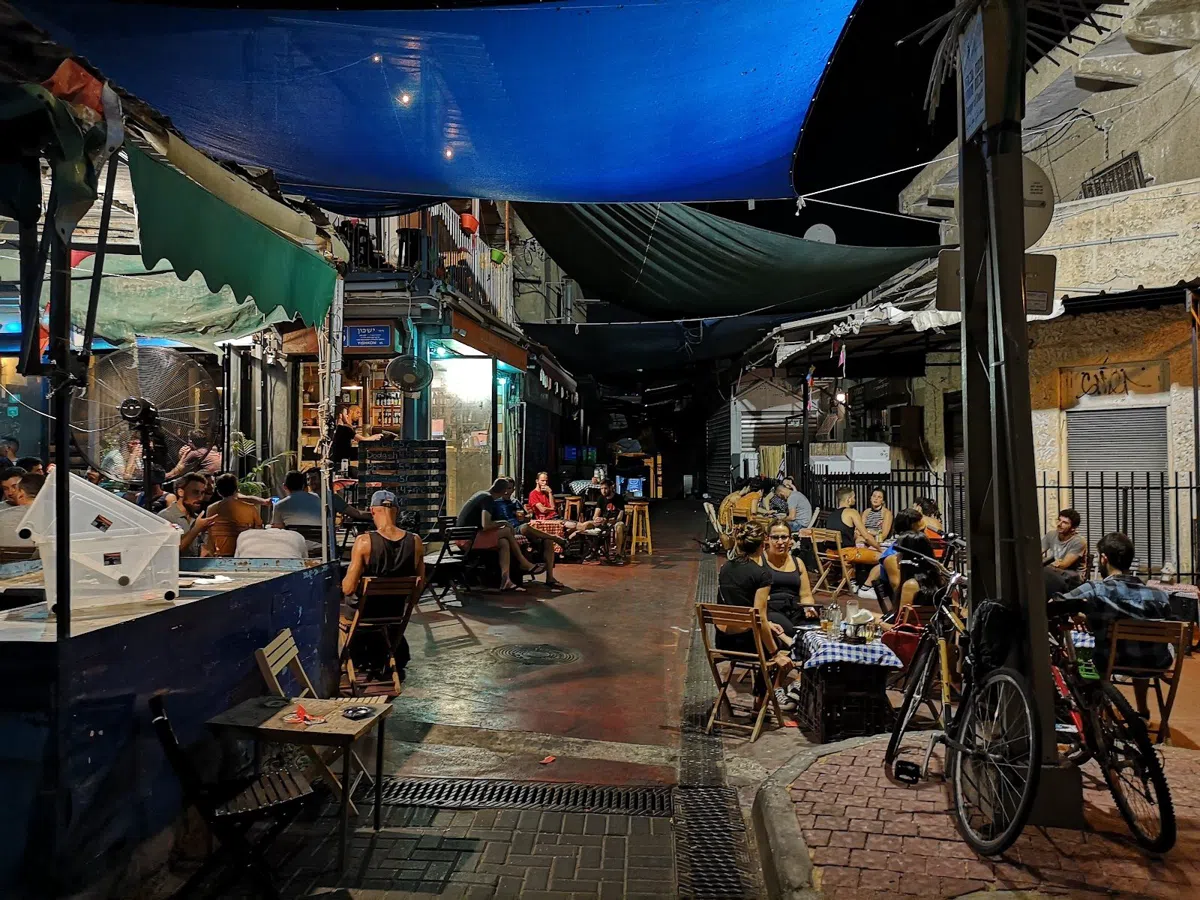
There is a moment, most days around six in the evening, when the crates of medjool dates and the pyramids of za'atar are wheeled away, the fruit-sellers hose down the stone, and the same lane that smelled of ripe guava an hour ago starts to smell of hops and grilled dough. Mahane Yehuda is not two markets so much as one long covered arcade living two lives, and the pleasure of a Jerusalem trip built around it is catching both — the slow-cooked, family-run daytime that has fed this city for seventy years, and the loud, string-lit night that the same tenants invented when they realised the shutters didn't have to come down at closing. This is a guide to walking that single lane from morning kubbeh to a last glass of wine, honestly, with the door realities and the booking truths that decide whether your group gets in.
Morning to mid-afternoon: the cooks who never left
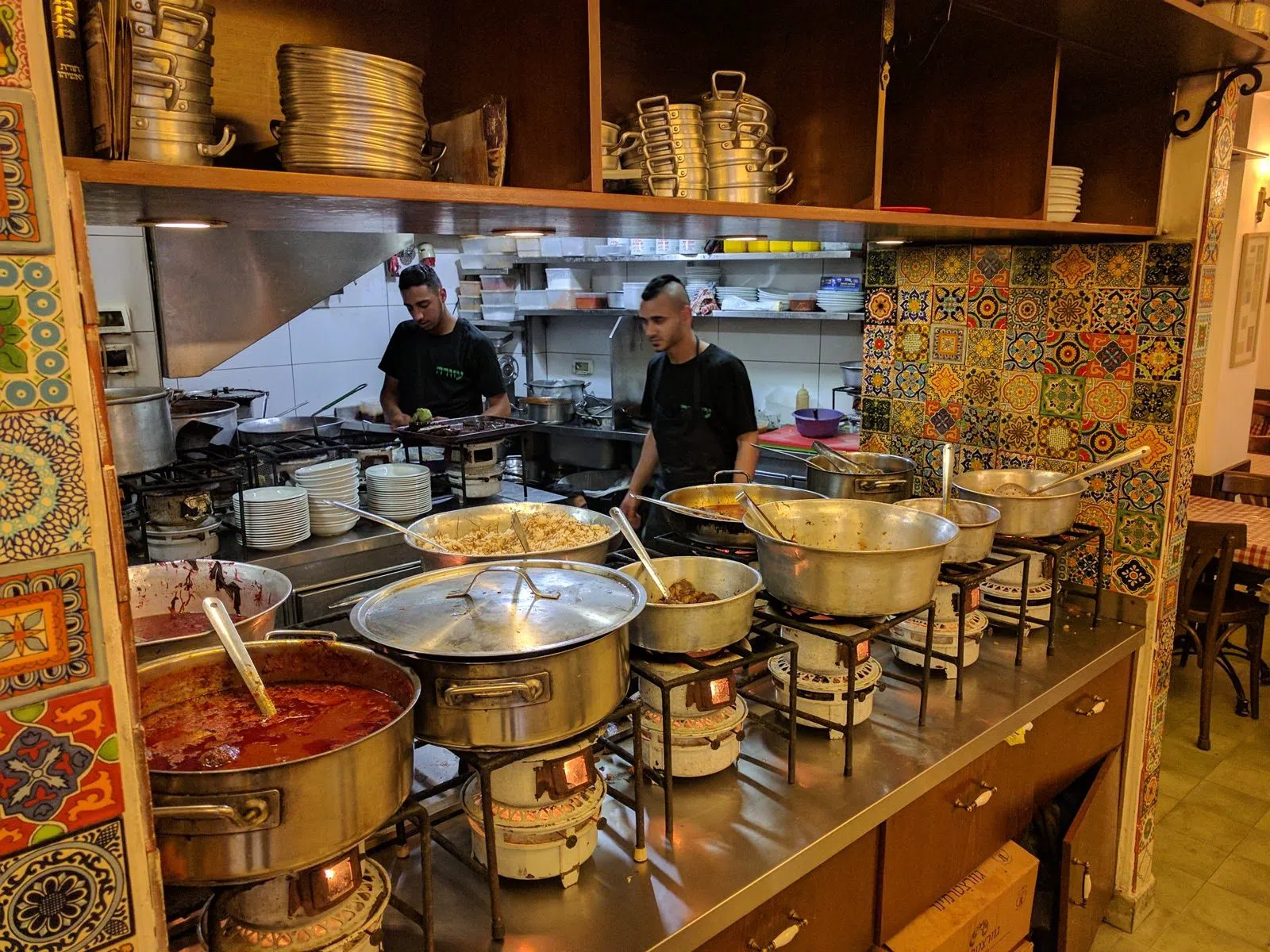
Start where the market started, at the Iraqi end off Ha'Eshkol, at Azura, the communal-table institution the Ashkenazi family has run since 1952 and where the kitchen still lights its kerosene burners at dawn. There is no dinner here and no dinner apologised for — the room fills, empties, and closes by mid-afternoon, and the dishes you have come for are the ones that have been cooking since before you woke: a kubbeh soup whose semolina dumplings are stuffed and rolled by hand, a hamusta bright and sour with lemon and chard, an aubergine baked long enough to collapse into its own sauce. It is walk-in only, tables are shared, and a group is seated in ones and twos as space frees rather than held together — so come early, come hungry, and treat the queue as part of it. Dishes run roughly 35–60 NIS, which for cooking this patient is close to charity.
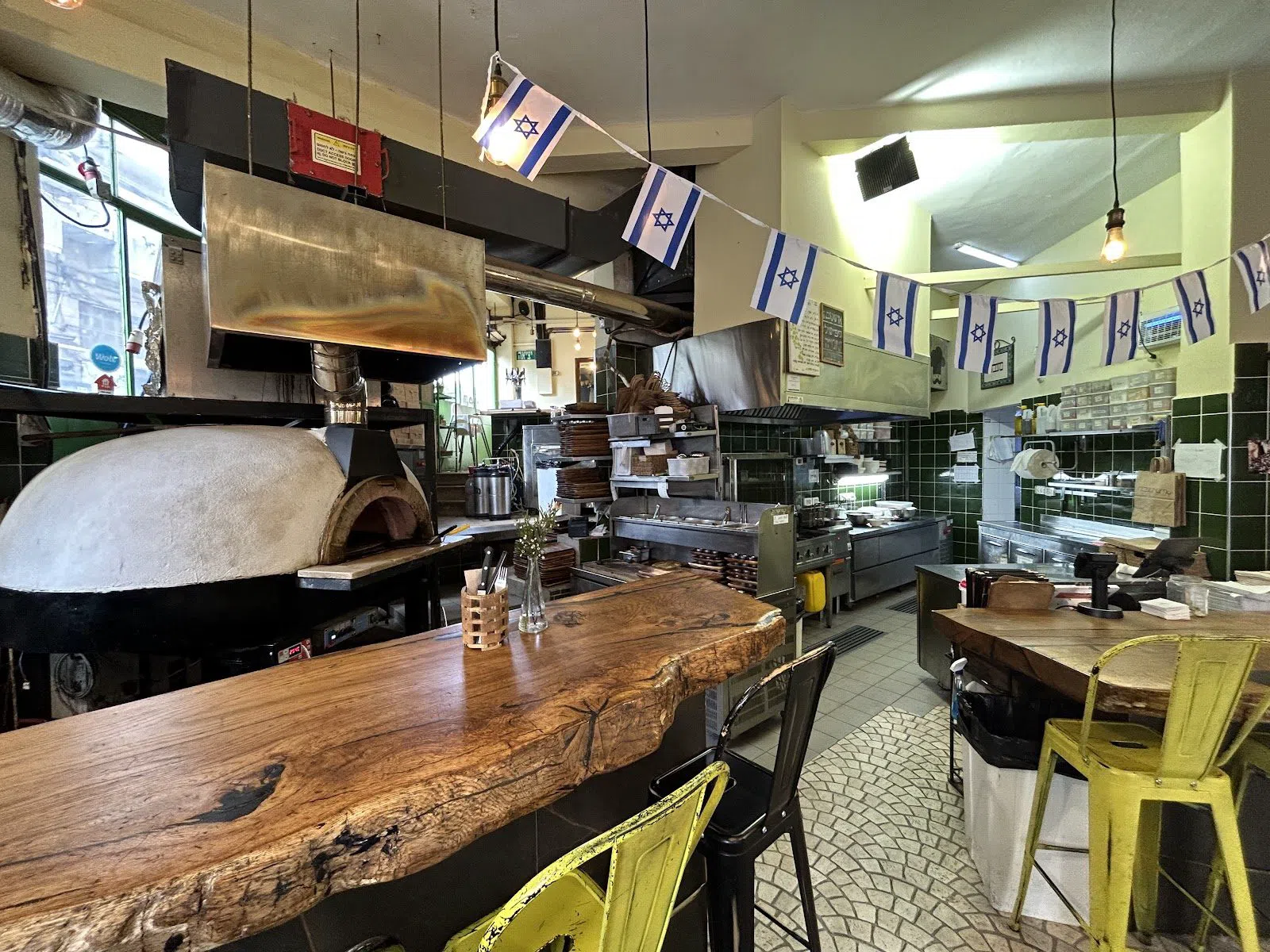
From Azura the honest way to eat the rest of the morning is on your feet, and the covered lane rewards it. A few steps into the arcade, Nuna turns out an elevated Moroccan mufleta — the thin, folded, semolina-slicked pancake that a home cook would make for the end of Passover — at a counter built for standing, not sitting; at 25–45 NIS it is the ideal first stop on a walk-and-eat crawl, fine for a small group grazing shoulder to shoulder but never a sit-down for many. Push on to Ishtabach, a cramped corner stall off the arcade where the Kurdish-Syrian shamburak is the reason to stand in the crush: hand-stuffed dough — lamb, or slow-braised greens, or cheese — sealed and baked to order in front of you, 40–55 NIS, a few stools and mostly grab-and-go. It is group-friendly only in the sense that a knot of friends can graze happily; nobody is getting a table.
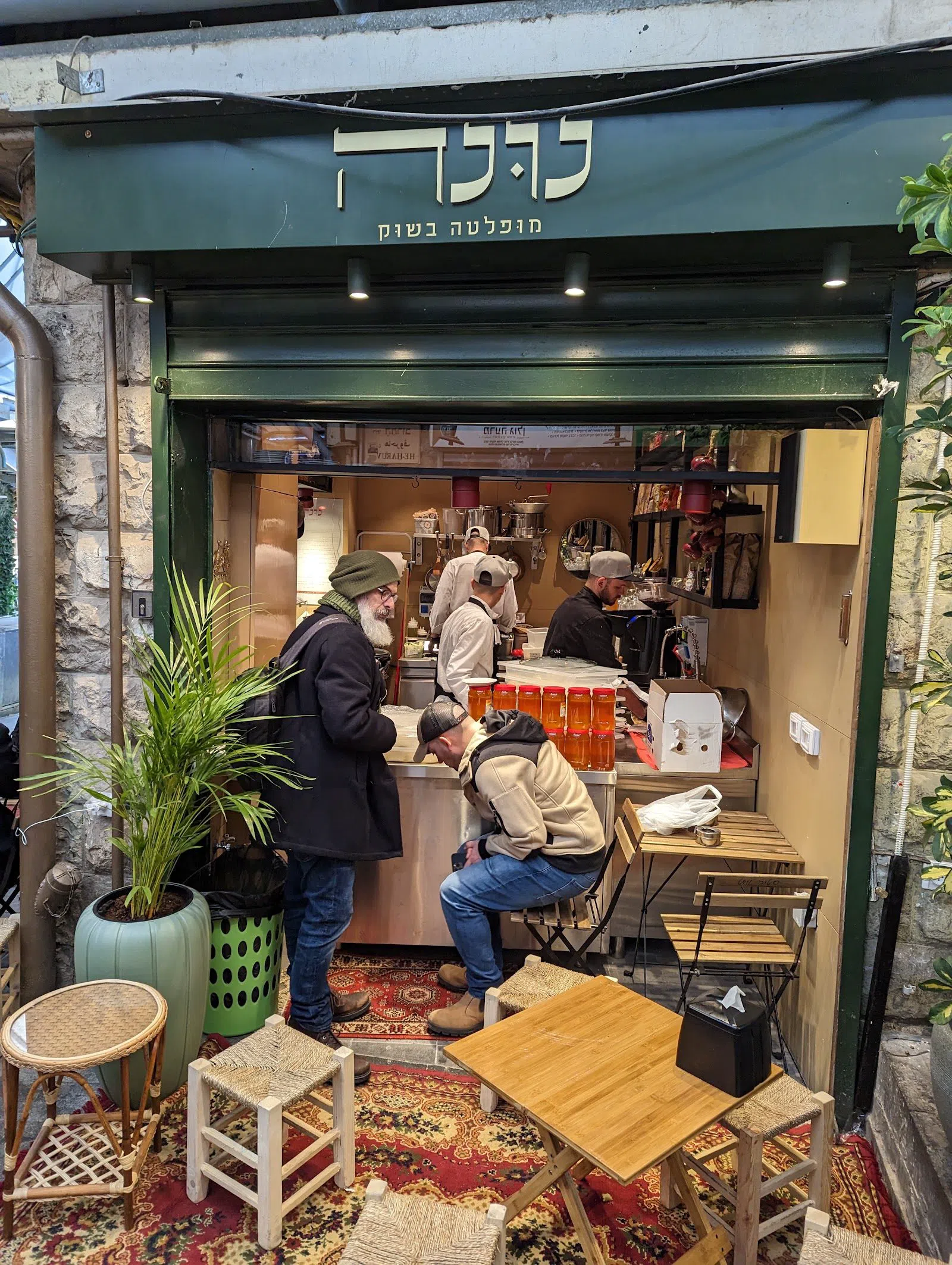
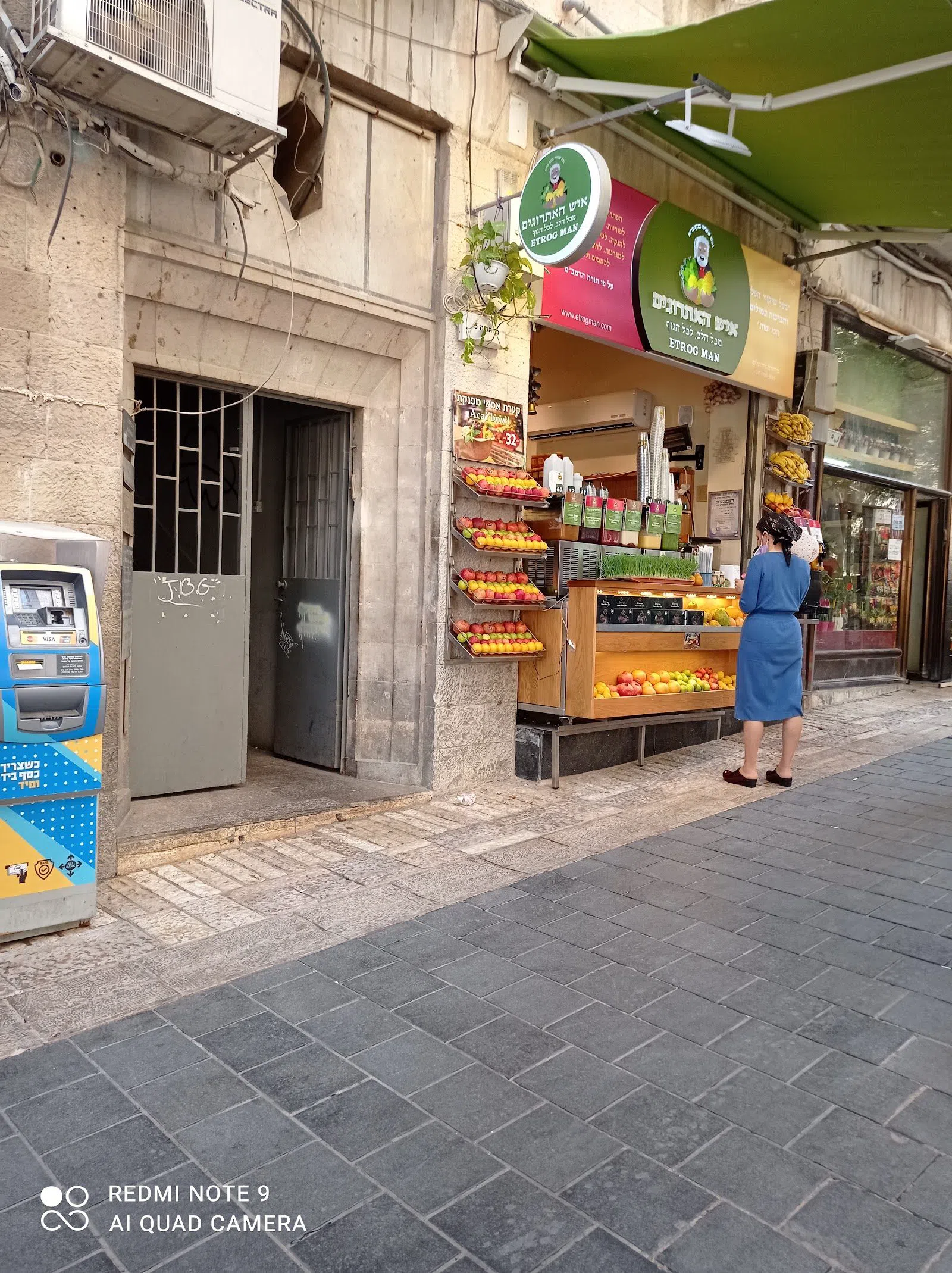
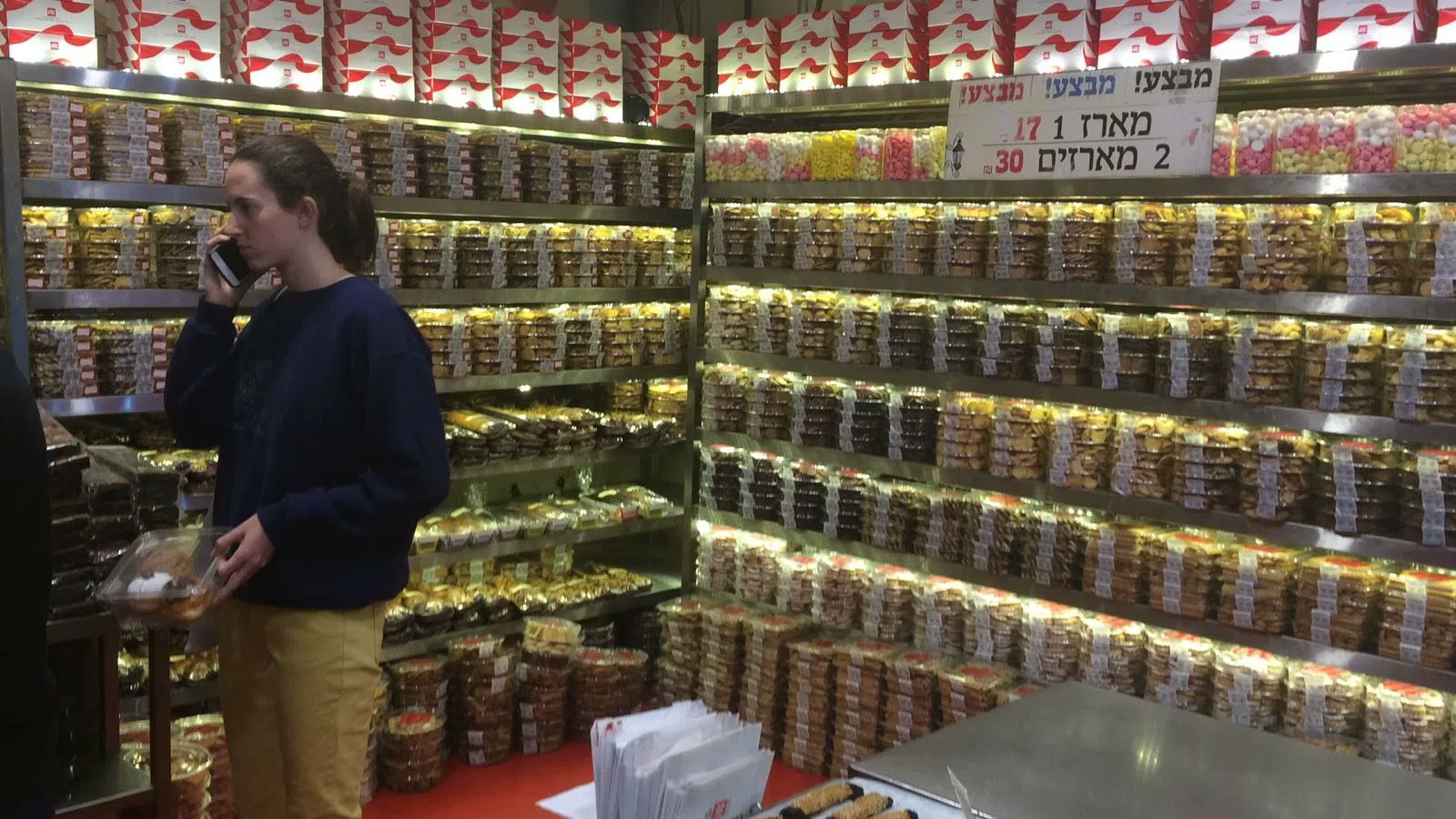
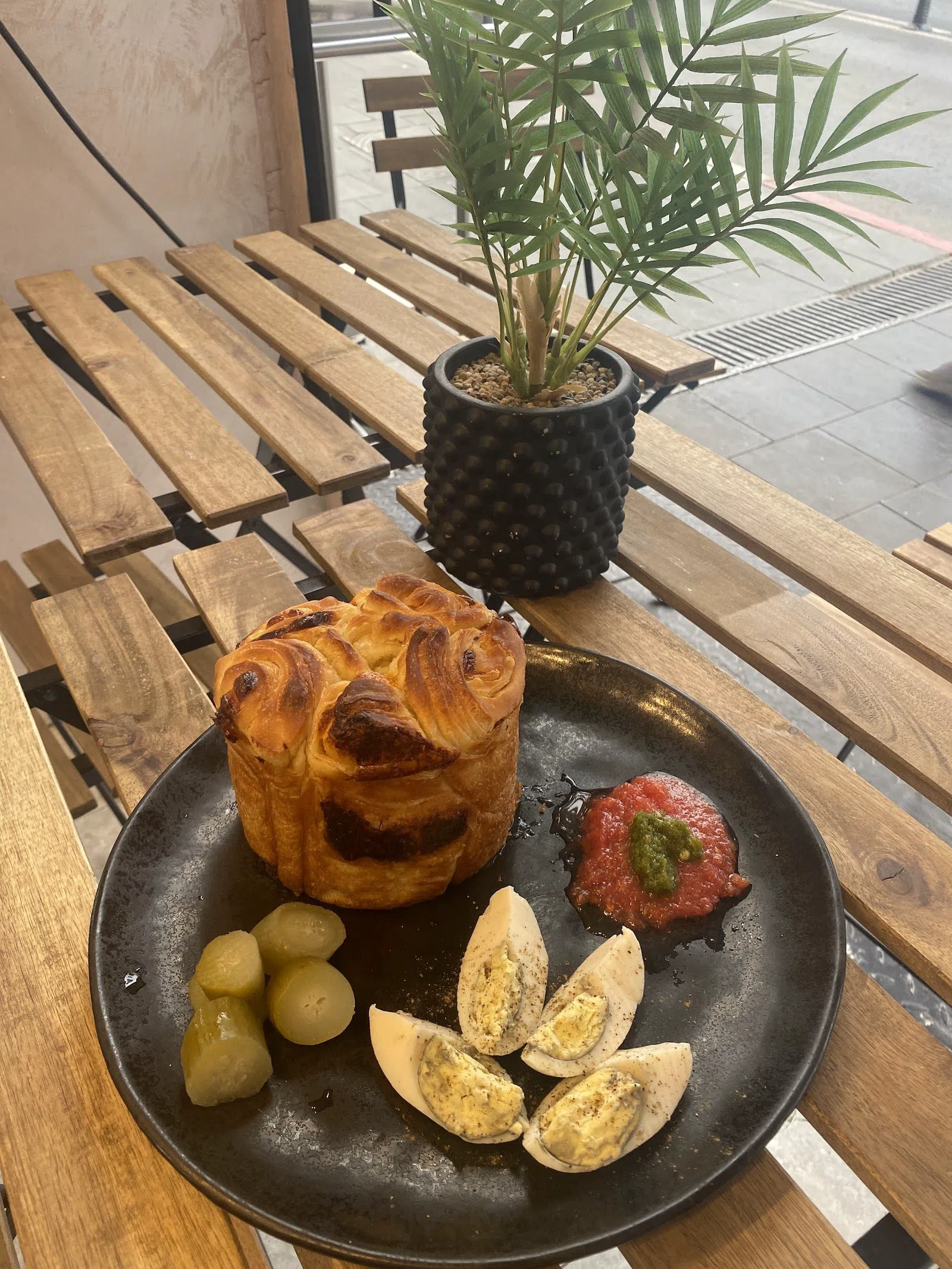
For the bread that anchors a Jerusalem morning, find Joni & Kubaneh at its counter in the open-air row, where Joni's homemade kubaneh — the dense, slow-proved, brioche-rich Yemeni loaf that traditionally steams overnight for Shabbat — outgrew a side hustle into a proper stall. It is counter service with limited seating, a good quick stop for a group at 20–40 NIS, and the loaf is distinctive enough that you should eat a torn-off piece warm before you have decided whether to buy a whole one. Then, because the shuk keeps its sweets and its oddities close, two more daytime stops earn their place. Marzipan Bakery, near the market's eastern edge, is a takeaway counter and nothing more — which is exactly why any size of group can descend on it — and its gooey chocolate rugelach, a Saveur world-100 pick, are shuk legend; buy them by weight (15–35 NIS a box), buy them warm, and understand that they are a day-time souvenir with a half-life of about an hour. A short walk on, Uzi Eli — The Etrog Man works his tiny stall on the lane of the same one-of-a-kind Yemeni etrog-juice character who has been pressing the knobbly citron into tonics and remedies for years; it is one-at-a-time service and pure market colour (20–35 NIS), a novelty a group takes in turns and photographs, not a place to linger.
Plan your Jerusalem trip
Live prices from our booking partners.
Free cancellation on many rooms. We may earn a commission when you book.
The table that bridges the two shifts
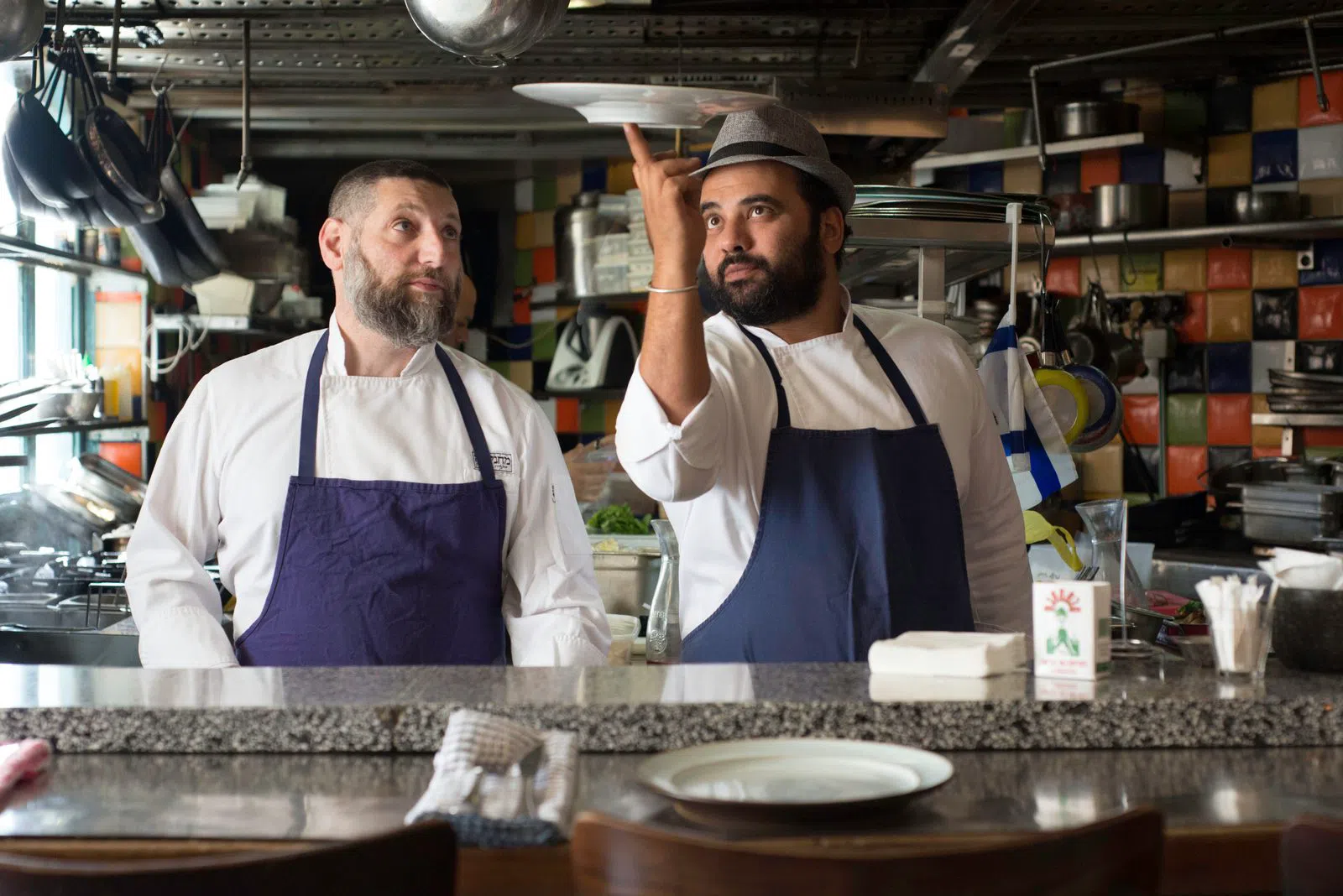
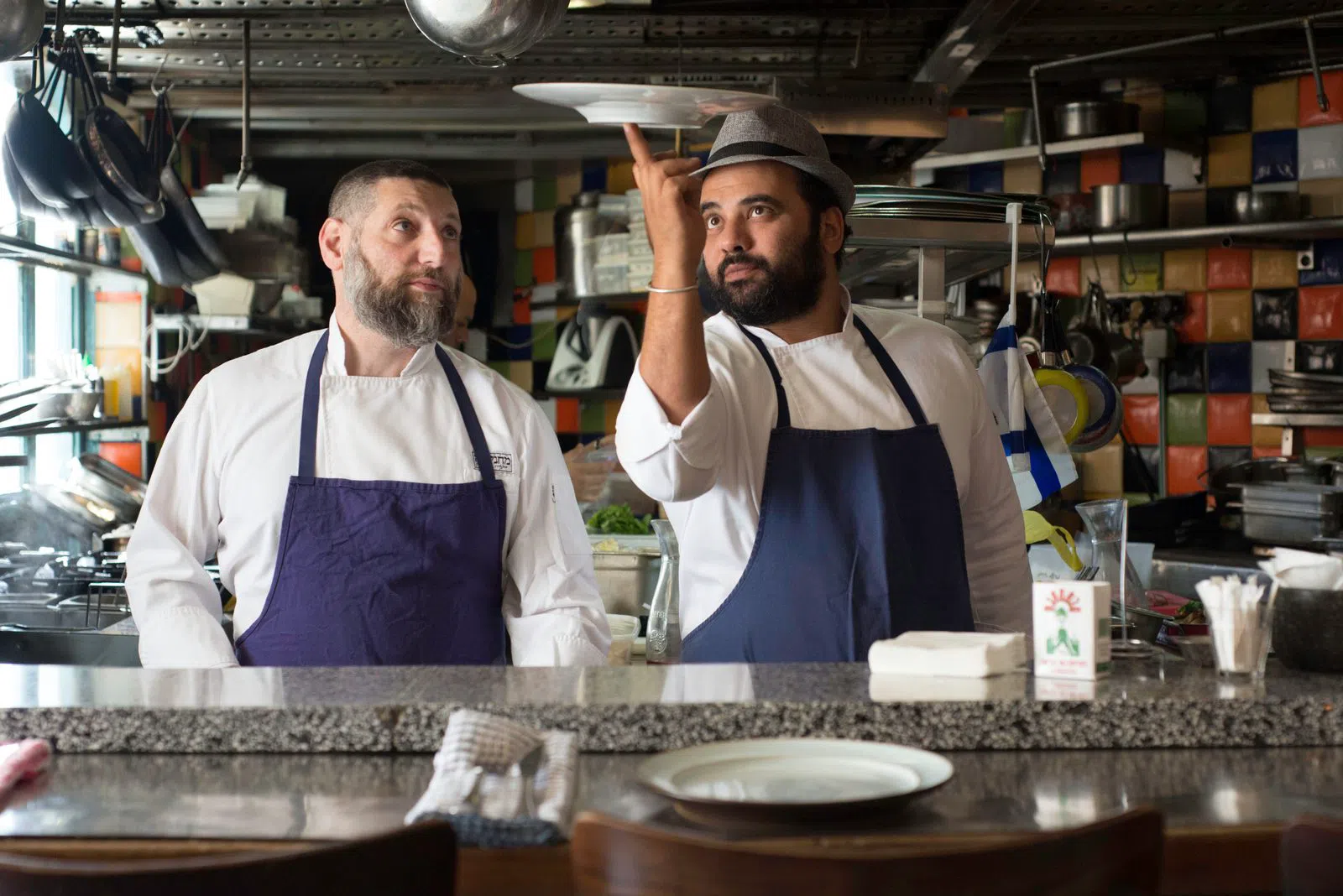
One room refuses to pick a side, and it is the one everyone means when they say the shuk changed. Machneyuda, just off the market on Beit Ya'akov, is Assaf Granit's flagship and still the most electric table in Jerusalem — a small, frantic, open kitchen where the cooks bang out polkas, plate on the pass with theatre, and turn dinner into something closer to a gig than a meal. That is the whole point and also the catch: the room is small and it is loud, and while it takes groups, larger parties need a phone reservation and everyone needs to book weeks out — walking up on spec is a way to eat somewhere else. Mains land around 90–150 NIS, it is genuinely $$$, and it is worth planning your Jerusalem days around rather than hoping to slot in. If you cannot get the flagship, the same team runs a smaller answer, and I will come to it below.
After dark: where the crates were
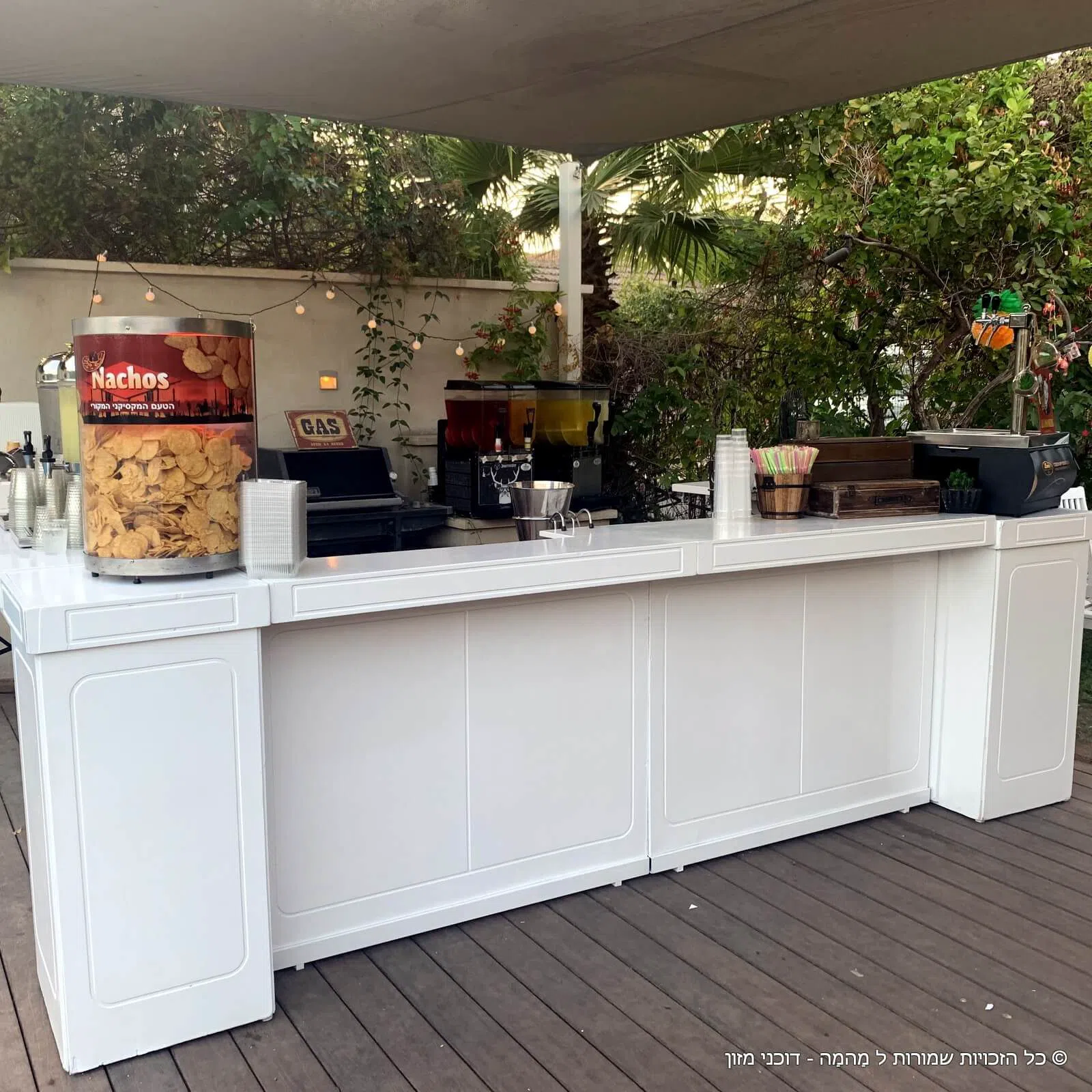
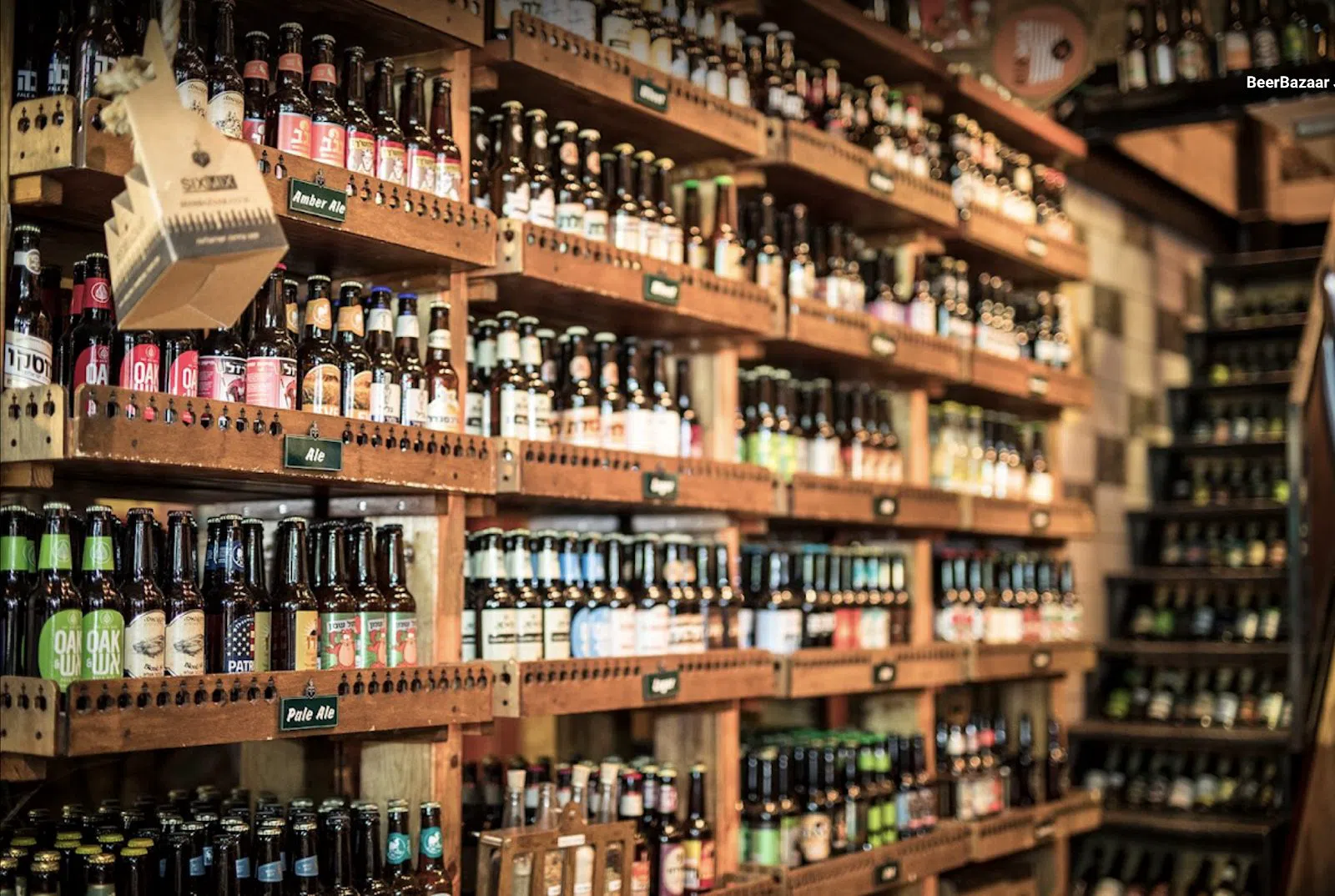
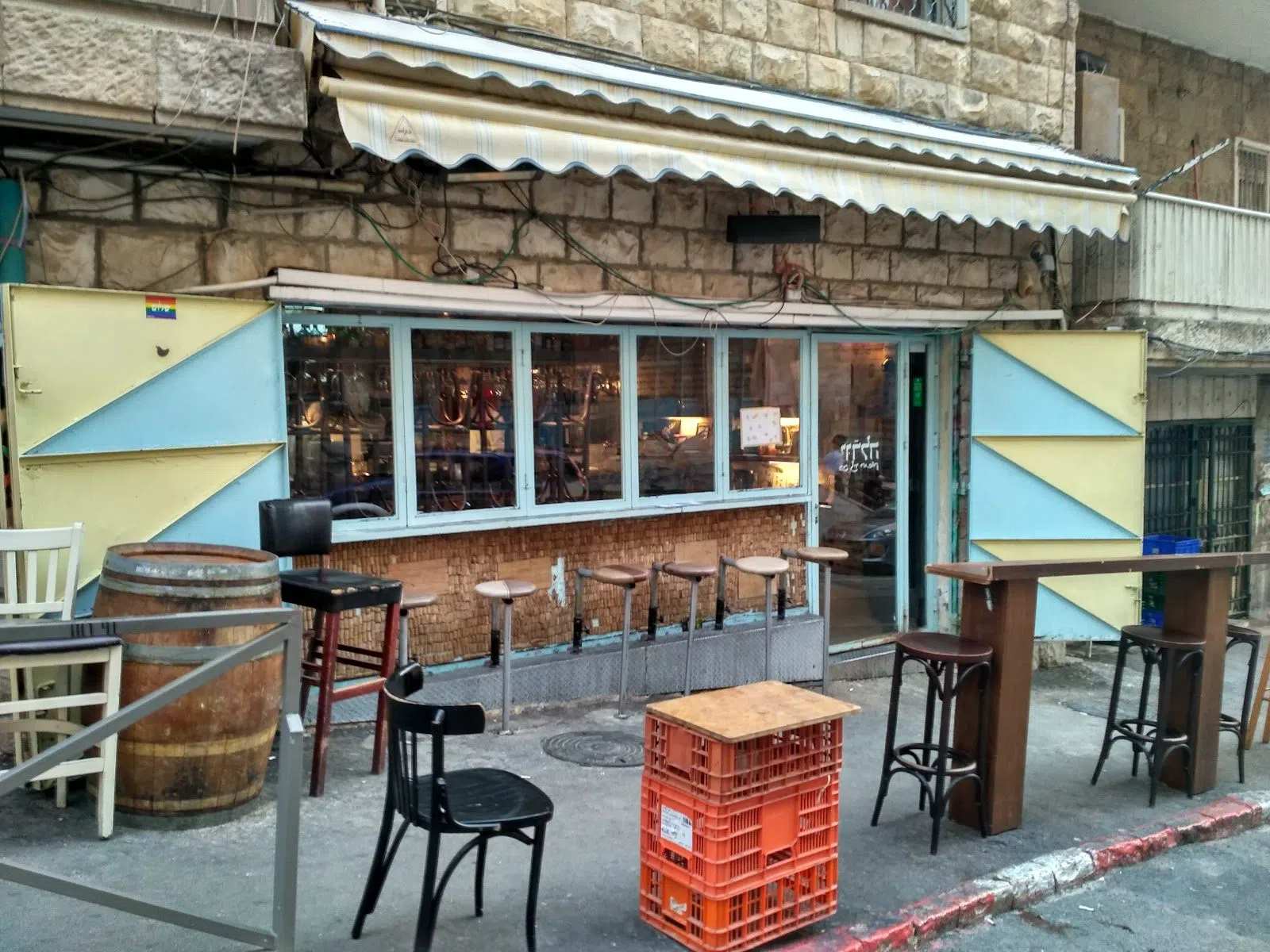
When the produce is gone the lane belongs to drinkers, and the single best one-stop to begin is Beer Bazaar, mid-arcade, the shuk's headquarters for Israeli craft beer and the most reliably group-friendly door in the market — it spills out into the lane at night, walk-ins work even for a crowd, and the taps run house brews like Fat Cat and Doda alongside dozens of local labels, with market-fresh plates to line the stomach. Pints sit around 30–40 NIS and the place runs all day into late, which makes it as good a first drink as a last one. A few doors on, Casino de Paris, off the main arcade under its storied old name, is the quintessential shuk hangout: carefree, lively, thick with regular live music, and honest about being atmosphere over polish. It takes groups but packs out on weekend nights, so the move is to arrive early and hold your ground; cocktails run 45–60 NIS.
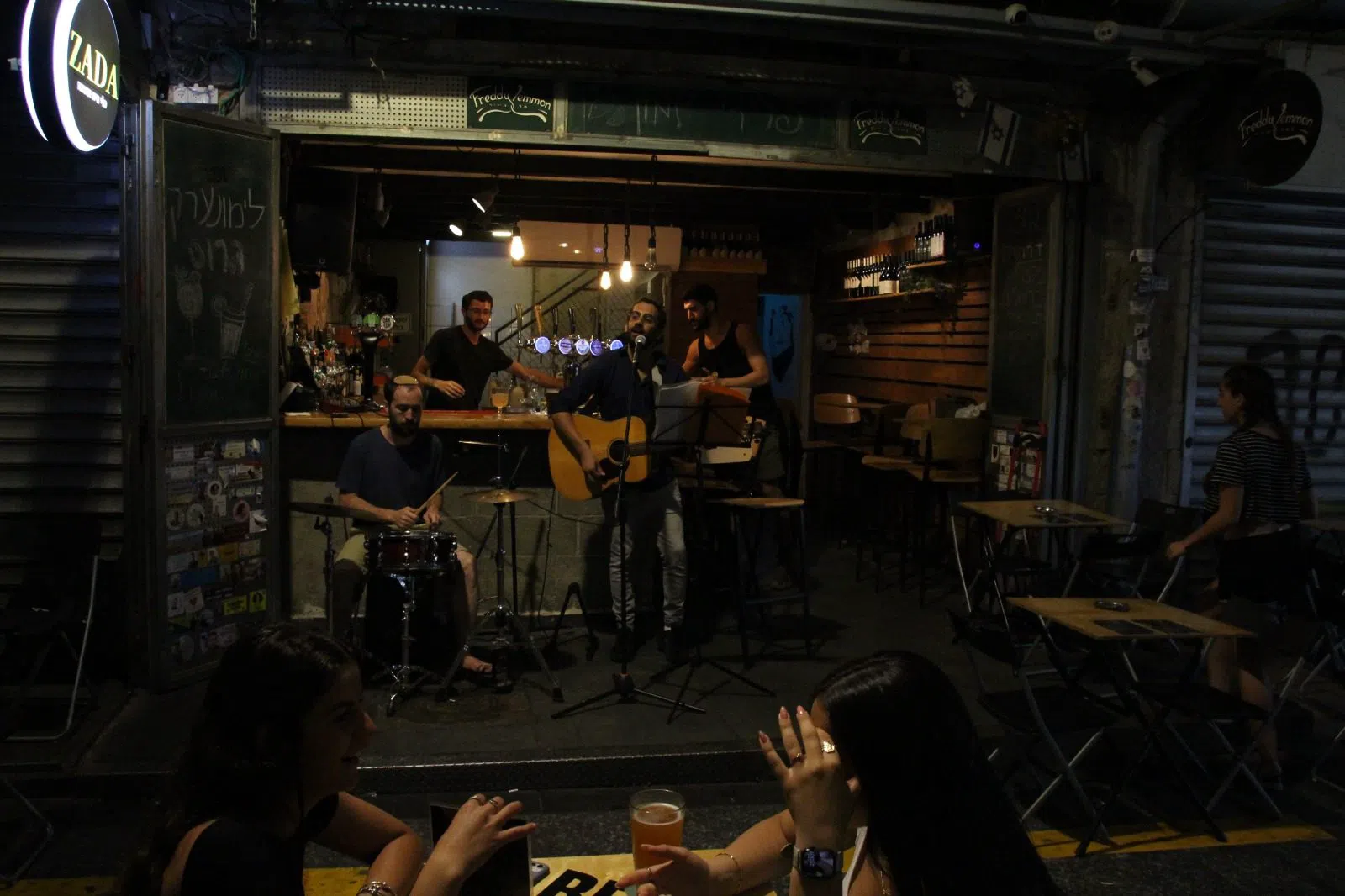
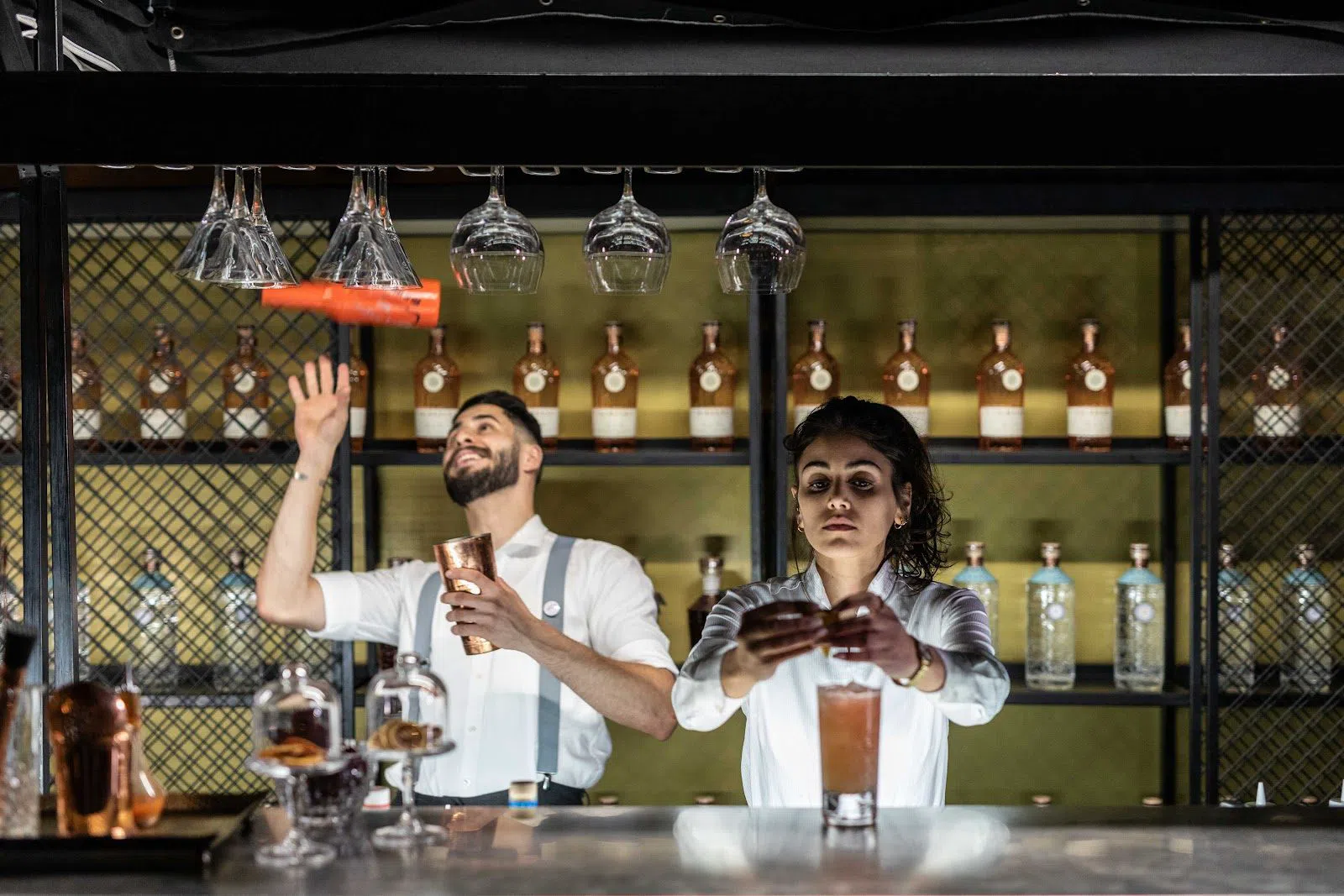
For the after-hours energy that made the night-shuk famous, Freddy Lemon is the lane-side music bar the young, local, music-loving crowd fills once the crates clear — a standing scene along the arcade rather than a sit-down, group-friendly by nature, and the go-to for after-dark gig energy at 35–50 NIS a drink. If you want the volume down a notch, Shuka offers patio seating that genuinely takes groups and a more thoughtful, community-minded streak — a locally sourced '21st-century' bar that hosts cultural talks and makes a good mellower option when the rest of the lane is at full roar; drinks land 35–50 NIS. And for the drinkers who came to eat as well, Yudale Bar is the Machneyuda team's compact tapas offshoot beside the flagship, chef-driven small plates carrying the same fun in a fraction of the space — which is also the honest warning: it is small and lively, best for couples or a pair of friends, and if you want a spot at its counter you should book ahead. Small plates run 35–65 NIS, and it is the smart consolation prize when the flagship is full weeks out.
The quieter, more particular nights
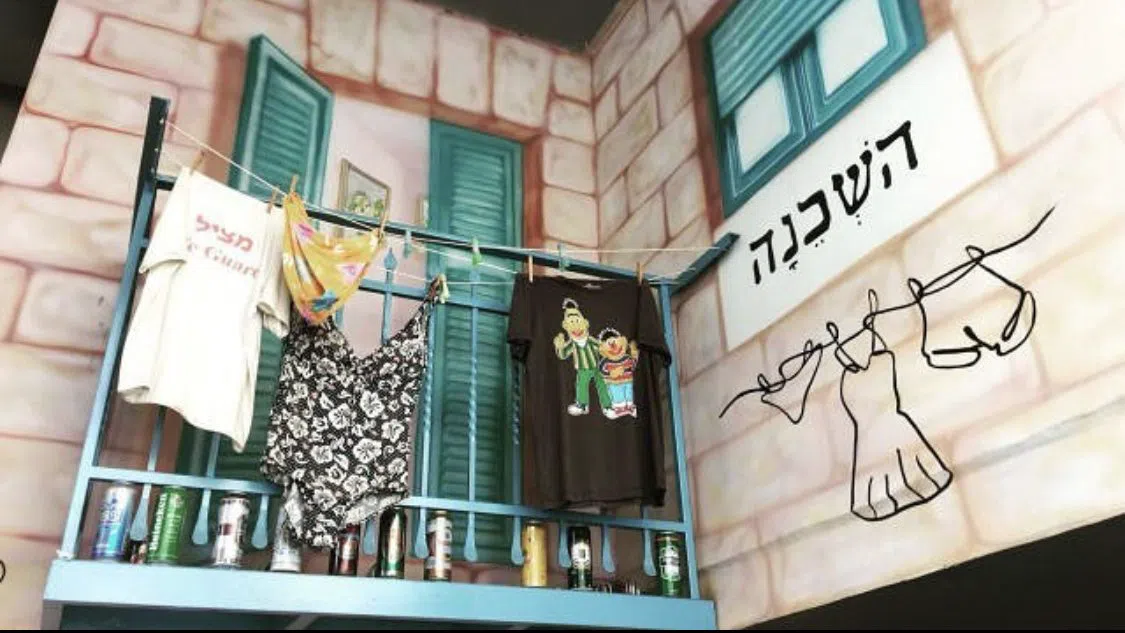
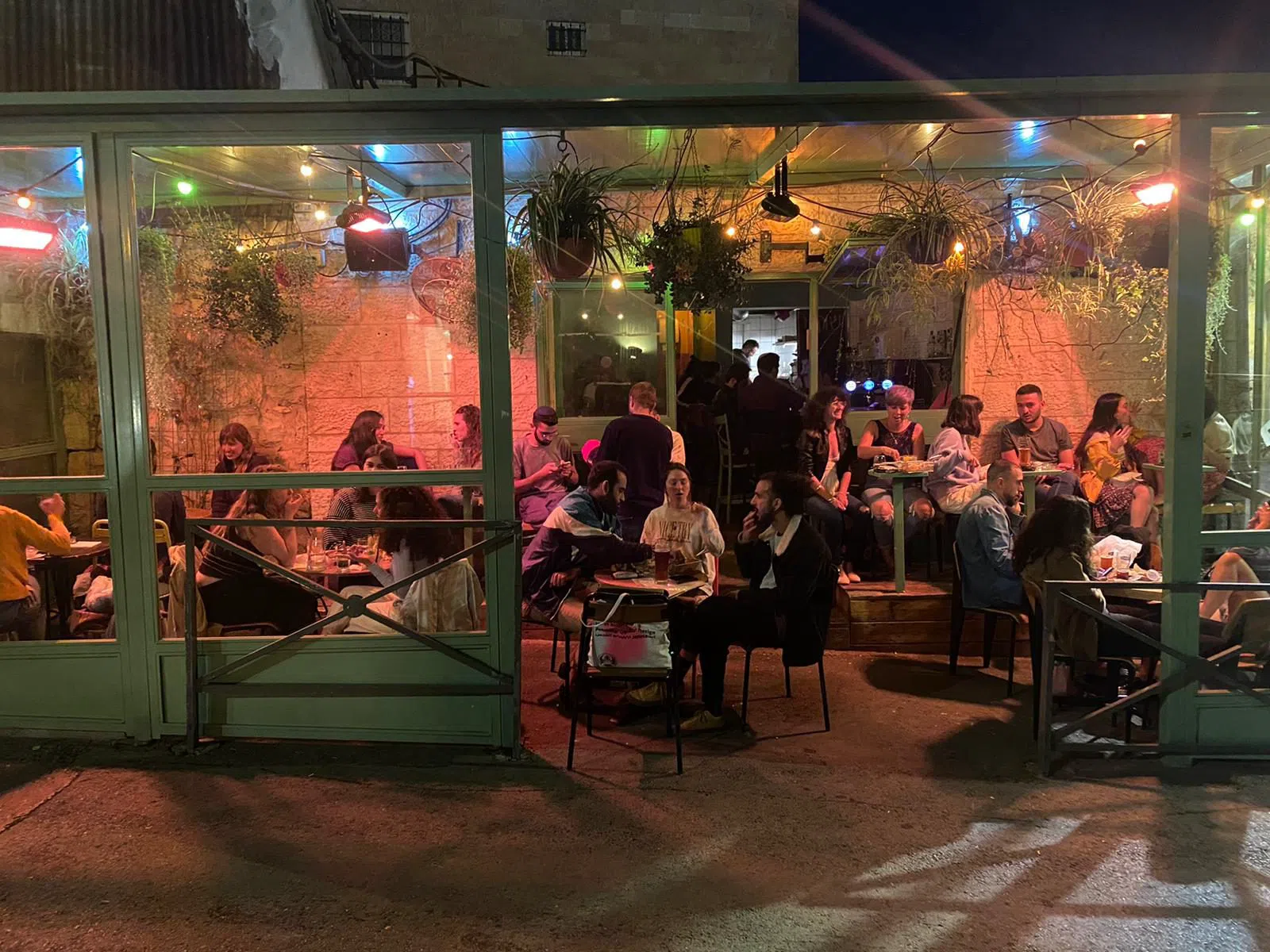
Not every night in the shuk is a scrum, and two rooms reward the traveller who checks a calendar. Tahrir Bar, an intimate space tucked into a corner of the market, is where Mizrahi culture, hookah, and live Sephardic music share a small room — distinctive, warm, and genuinely group-friendly on its live nights, but open only select evenings (typically Thursday and Saturday), so the single most important thing about it is to check the hours before you go rather than turning up hopeful. Drinks run 35–50 NIS. Gentler still is Hashchena, a snug wine corner whose Friday-afternoon live sets have become a lovely pre-Shabbat ritual as the market winds down — a relaxed, welcoming glass-pour spot (30–48 NIS a glass) that suits small groups and gets tight for large ones. If your idea of a Jerusalem night is a good local glass and unhurried music rather than a lane full of people, this is the corner to aim for, and the Friday sessions are the ones to plan around because the whole market changes rhythm before Shabbat.
Building a day that catches both markets
The honest way to do this is to accept that the shuk's two lives run on the clock, not on your convenience. Eat the family kitchens first — Azura before three, the stalls through the early afternoon — because those cooks close when the food runs out and do not reopen for dinner. Use the late afternoon lull, the wheeling-away hour, to walk the emptying lanes, buy your Marzipan rugelach warm, and see the shutters come down before they roll back up as bar fronts. Then drink from Beer Bazaar outward. Couples and pairs should aim at Yudale and Hashchena; a lively group is better served by Beer Bazaar, Casino de Paris, and Freddy Lemon, all of which absorb numbers; anyone chasing Tahrir or Machneyuda has to plan around a calendar or a booking rather than a whim.
Practical notes
Getting there. Mahane Yehuda has its own stop on the Jerusalem light rail (the Red Line along Jaffa Road), which is the simplest arrival from most of the centre and drops you at the market's mouth; from there everything in this guide is on foot within the arcade. Taxis and ride-hail get you close but the lanes themselves are pedestrian.
Cash and cards. The sit-down restaurants and bars take cards without fuss, but the small stalls — the mufleta counter, the etrog man, the bread stall — are quicker and friendlier with cash, so carry some shekels for the walk-and-eat portion. Rugelach sold by weight is a cash transaction in spirit even where a card works.
Timing and Shabbat. The daytime market runs mornings to mid-afternoon; the nightlife builds from roughly 6pm. Crucially, Friday is a half-day that winds down hard into Shabbat — many daytime traders close by early afternoon and much of the market is quiet on Saturday until nightfall — so the Friday pre-Shabbat sessions (Hashchena's especially) are a specific, lovely thing rather than a normal night out. Check individual hours for Tahrir, which opens only select evenings.
Budget. A stall-crawl lunch of three or four bites runs comfortably under 120 NIS a head; a proper daytime sit-down at Azura is 35–60 NIS a dish; a night of craft beer and small plates lands somewhere around 120–200 NIS depending on how many rounds; and a dinner at Machneyuda, booked weeks ahead, is the splurge at 90–150 NIS per main plus drinks. Reserve the flagship early, keep Yudale as the backup, and let the stalls carry the cheap, brilliant middle of the day.
For where to stay within walking distance of the arcade, start a Jerusalem hotel search; for the wider city beyond the shuk, the full Jerusalem guide sets the market in context.
Before you go
Do I need to book restaurants in Mahane Yehuda, or can I walk in?
It depends on the venue. Machneyuda must be booked weeks ahead, and larger groups need a phone reservation; Yudale Bar also rewards booking a counter spot. Azura is walk-in only and seats groups as space frees, so go early. Most of the night bars — Beer Bazaar, Casino de Paris, Freddy Lemon — take walk-ins even for groups, but arrive early on weekend nights.
What time does the market change from a food market to nightlife?
Roughly around 6pm. The daytime produce traders and family kitchens like Azura run mornings to mid-afternoon and close when the food runs out, then the crates are wheeled away and the bars open up along the same lanes into late.
Which spots suit a big group versus a couple?
Groups do best at Beer Bazaar, Casino de Paris and Freddy Lemon, which absorb numbers and spill into the lane. Couples and small parties are better at Yudale Bar and Hashchena, both of which are compact and get tight with a crowd. Azura seats groups only in ones and twos as tables free.
Is Mahane Yehuda open on Shabbat?
Not really. Friday is a half-day that winds down hard into Shabbat, with many daytime traders closing by early afternoon, and much of the market stays quiet through Saturday until nightfall. The Friday pre-Shabbat live sessions at Hashchena are a lovely exception worth planning around.
How much should I budget for a day of eating and drinking in the shuk?
A stall-crawl lunch of a few bites runs under 120 NIS a head; a sit-down at Azura is about 35–60 NIS a dish; a night of craft beer and small plates is roughly 120–200 NIS; and dinner at Machneyuda is 90–150 NIS per main plus drinks. Carry cash for the small stalls.