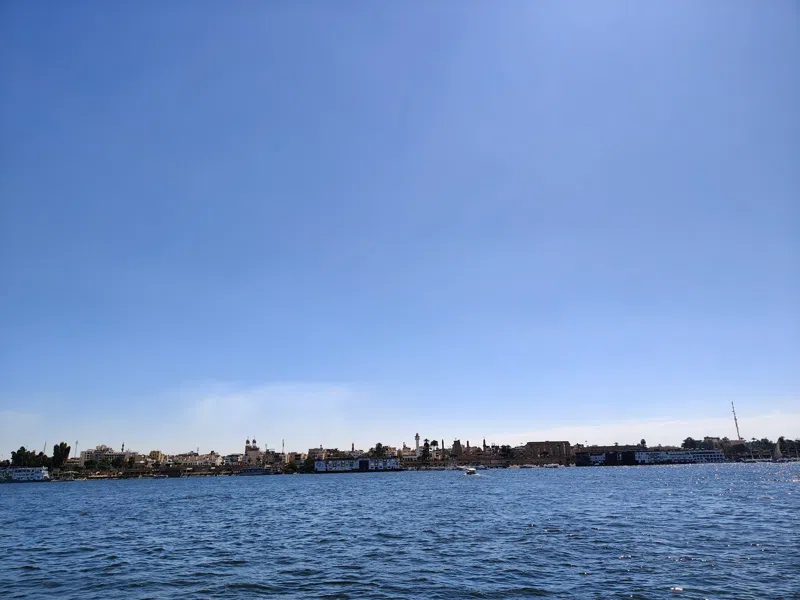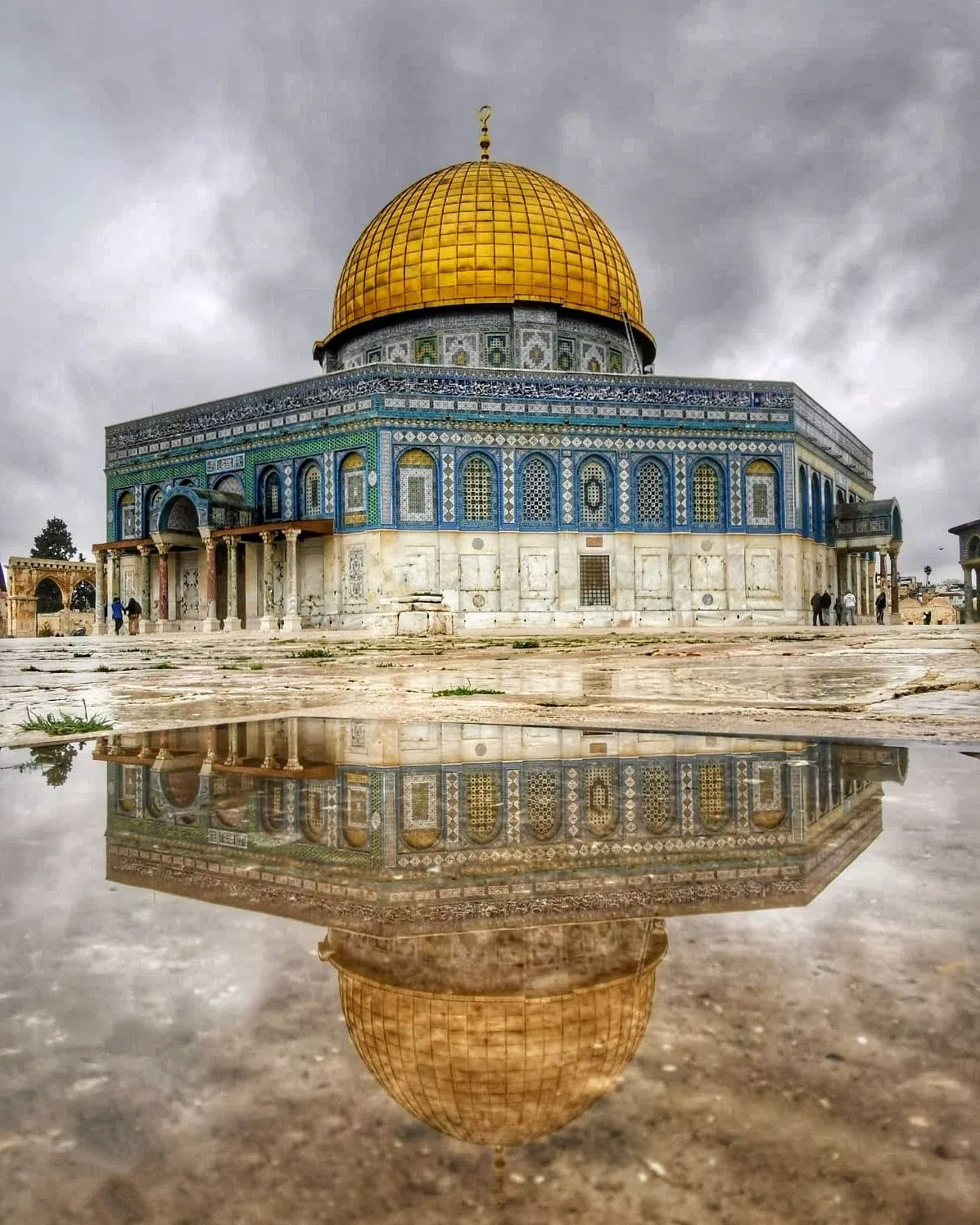

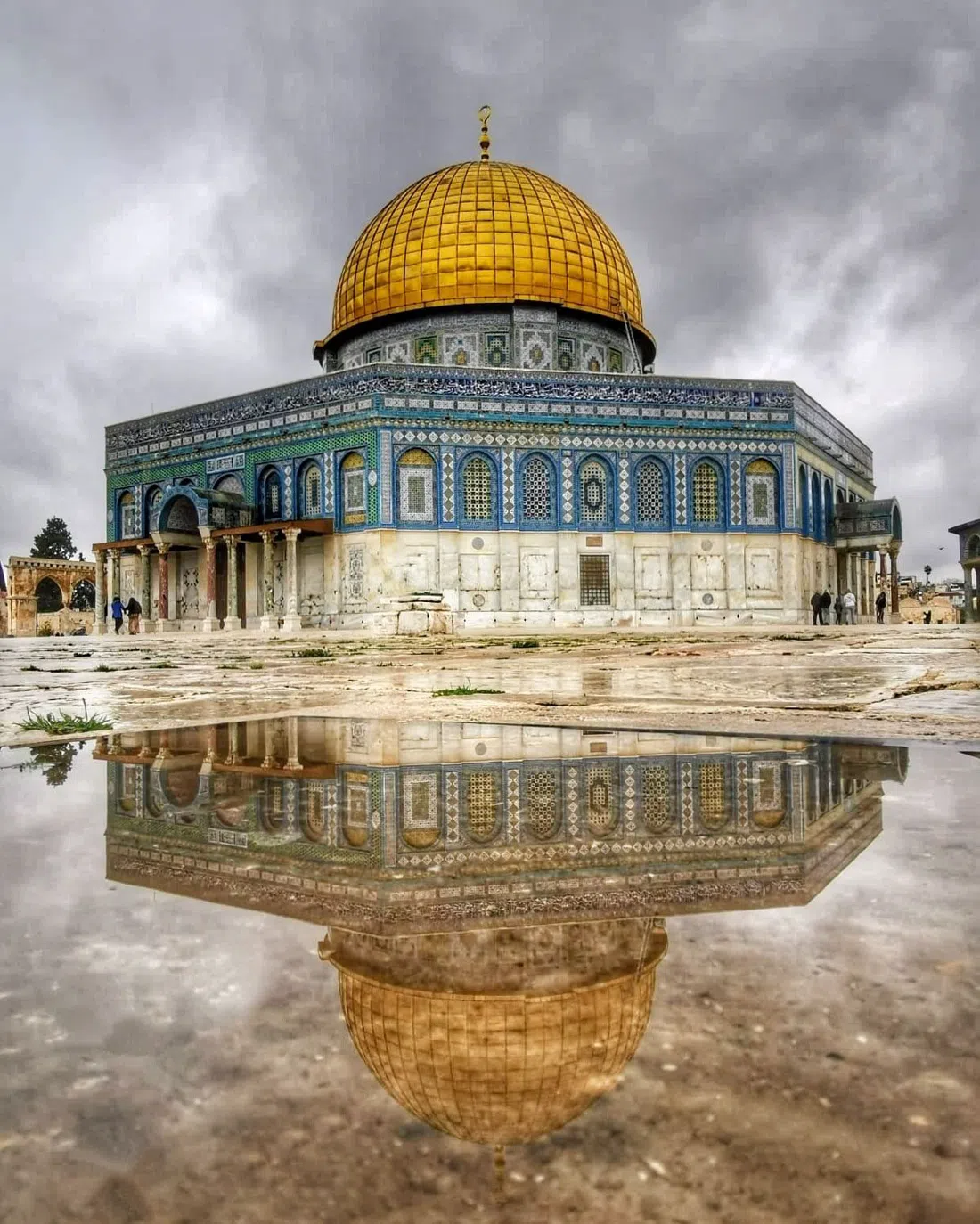
At seven in the morning the dome is the only thing in the Old City doing any work. The limestone is still grey, the souq is shuttered, and then the sun clears the ridge above the Mount of Olives and the gilding switches on like a lamp you can see from three quarters away. An hour after that you can be standing fifteen metres from it, outside it rather than inside, and that distinction shapes every decision you make about the morning.
What you see, and what is closed to you
The Dome of the Rock (Qubbat al-Sakhra, on the Haram al-Sharif esplanade in the Old City) is a shrine rather than a mosque, and for non-Muslim visitors it is an exterior monument. You cannot go in. What you can do is walk the raised platform it stands on, which sounds like a consolation prize until you are up there. The octagon is sheathed in tilework you can read from arm's length, the free-standing arcades at the top of each flight of steps frame it differently from every approach, and the esplanade itself is a wide, tree-shaded, almost rural space that feels nothing like the packed lanes you climbed out of ten minutes earlier. Circling it properly (stopping, sitting, coming back round for the light) takes 45 to 75 minutes. Entry is free. There is no ticket for the compound at all.
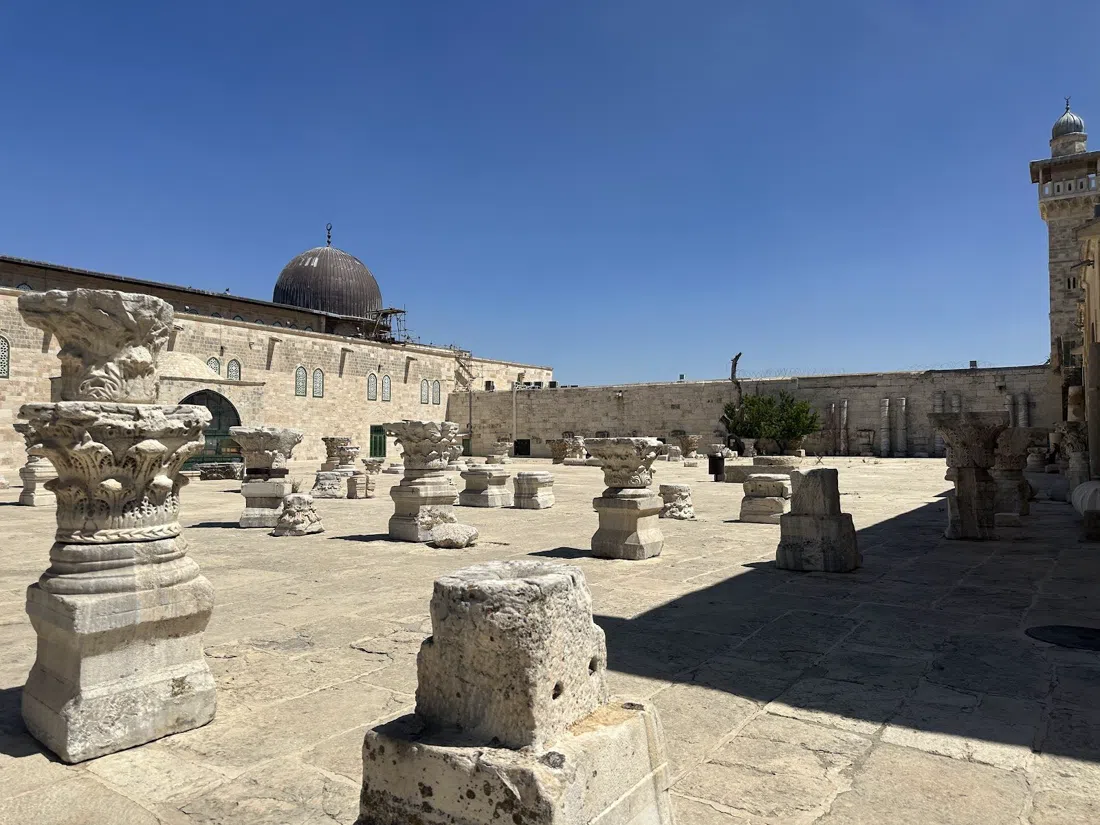
Two other buildings deserve naming so you arrive with the right expectations. Al-Aqsa Mosque (the Qibli Mosque, at the southern end of the same esplanade) is the lead-roofed building a surprising number of visitors photograph believing it is the Dome of the Rock. They are two separate monuments a couple of hundred metres apart, and the esplanade holds both. Muslim worshippers enter freely through the Waqf-run gates; everyone else photographs the façade from the open ground, because all interiors on the compound have been closed to non-Muslims since 2000. The same rule governs the Islamic Museum of al-Haram al-Sharif (south-western corner of the esplanade), which keeps the compound's own collection and admits small Muslim groups for a modest Waqf fee of a few tens of shekels. If you are not Muslim, you will see its door and no further.
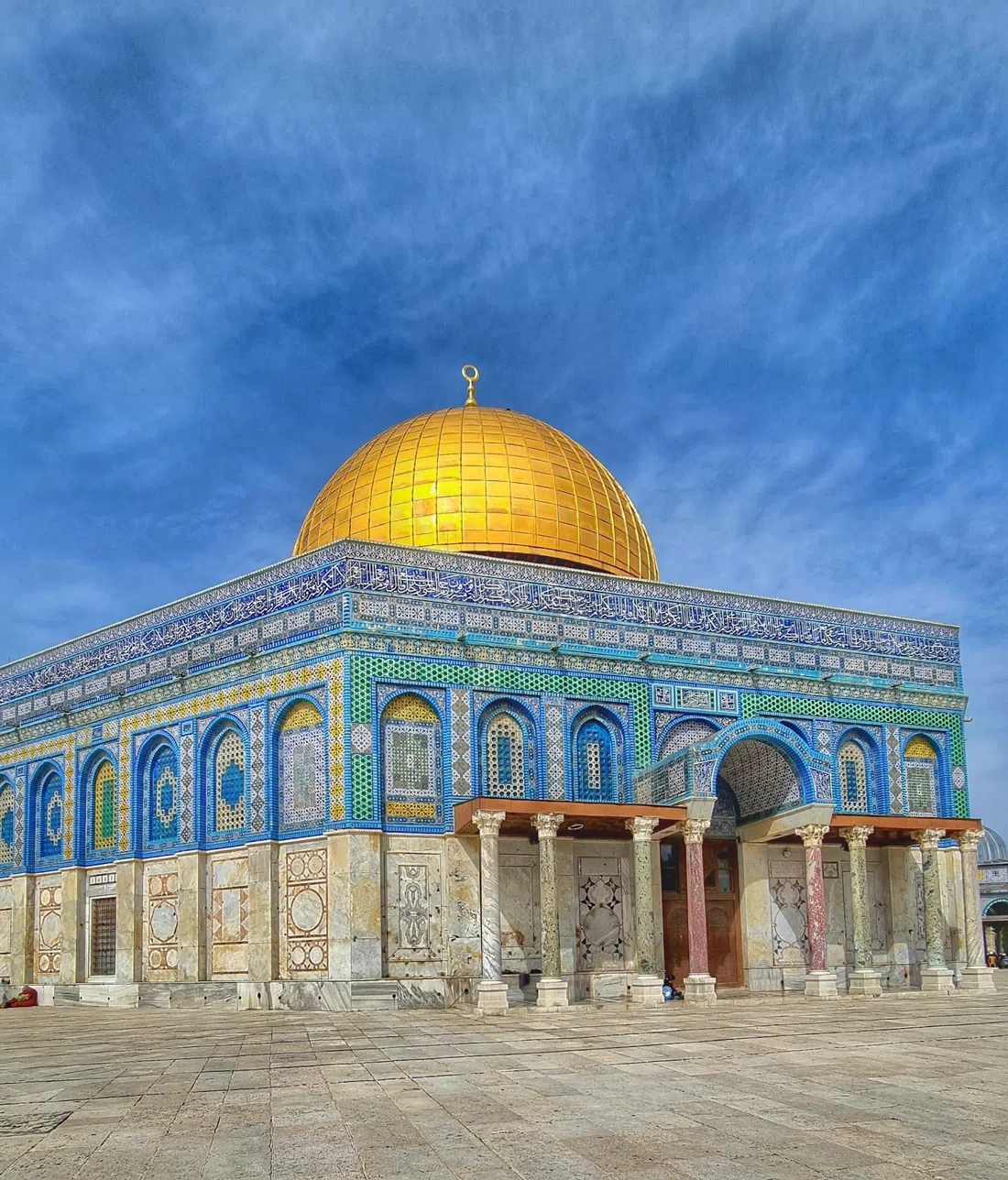
Be clear-eyed about what this visit is. You do not pass through it and tick it off. You stand in a place beside a building that is sacred to other people and still in daily religious use, and staying outside is part of what you agree to when you walk up the ramp.
Getting up there through the Mughrabi Gate
Everything funnels through one wooden ramp, and the staging point is Western Wall Plaza (the Kotel, Jewish Quarter), which is free, open around the clock and able to absorb a group of any size, with a bag check on the Dung Gate side and a smaller one if you come down from Jaffa Gate. The Mughrabi (Moroccan) Gate ramp climbs from the southern end of the plaza, and every visitor goes up it single file through airport-style screening. Bring your actual passport, not a photograph of it. Note too that photography is not permitted in the plaza on Shabbat or Jewish holidays, which matters if you are there on a Friday evening or Saturday.
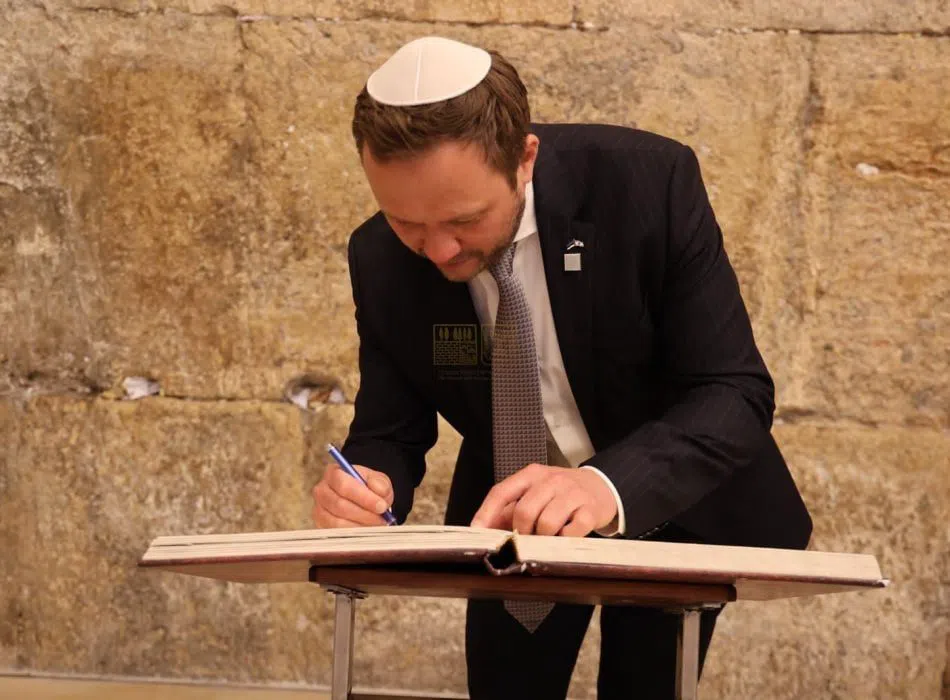
The windows for non-Muslim visitors are narrow and not negotiable. Sunday to Thursday only, in two short slots: roughly 07:30 to 11:00, then again 13:30 to 14:30 in summer, with both starting about an hour earlier and running shorter in winter. The compound is closed Friday and Saturday, closed on Muslim holidays, and closed at no notice on tense days. Check the same morning rather than the night before, because this is the one thing in Jerusalem that can be true at 22:00 and false at 08:00. Arrive at the plaza by around 07:00 or 07:15 and you will be through the screening while the queue is still three or four parties deep. Turn up at 09:30 and you can easily burn 40 minutes of a window that shuts at 11:00.
Organised groups get caught out by one rule. Non-Muslim guides are commonly barred from lecturing on the platform, so the good ones do the whole briefing at the bottom and then go up quietly alongside you. If you are expecting a running commentary beside the shrine you will not get one, and a guide who tries to deliver it may be asked to stop. Modest dress is enforced at the ramp and applies to men as well as women: shoulders and knees covered, nothing sheer. A scarf in your bag settles the question faster than any conversation at the gate.
Half an hour of orientation before you climb
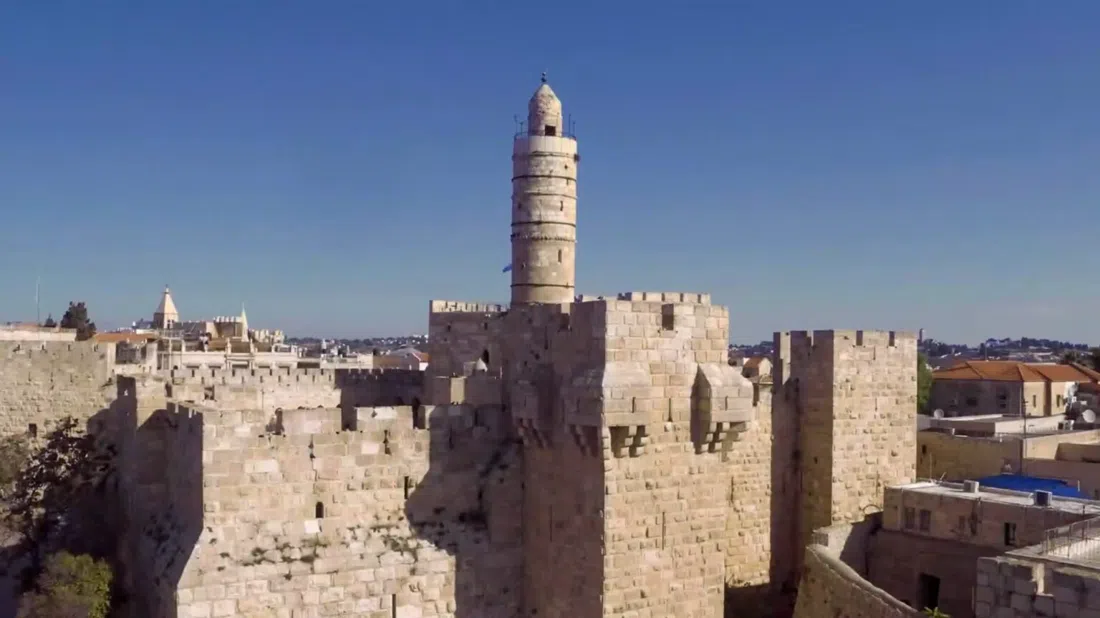
The esplanade makes far more sense if you have already seen it drawn in plan. Tower of David Jerusalem Museum (the citadel, immediately inside Jaffa Gate) is the stop that does that job, and since its renovation it is the best single orientation point in the Old City: the rooftop lookout lays the whole compound out in front of you, so the half-hour you later get on the platform reads as architecture instead of a crowd. Day tickets run about 55-60 NIS for an adult, the night show about 69 NIS, a combined ticket about 108 NIS. It is purpose-built for groups and school parties, with several timed routes and night-show seating bookable in blocks, so it is one of the few places here where a party of thirty is genuinely welcome. Mind the box office, which shuts an hour before the museum does. If you are still assembling the rest of your days, our Jerusalem guide covers the wider city beyond the walls.
The two views from across the valley
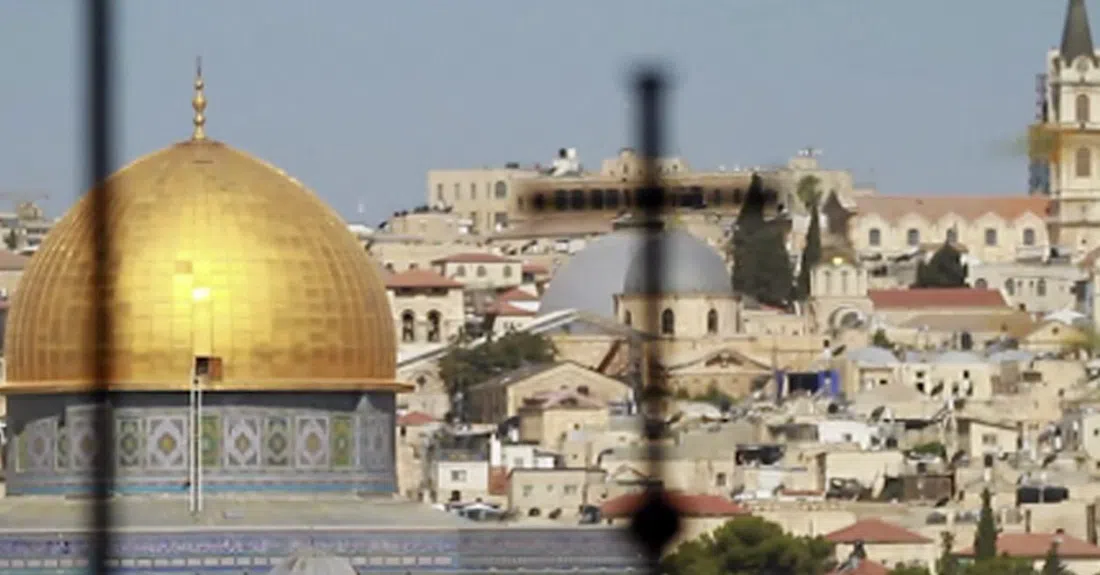
Mount of Olives Observation Point (the Seven Arches promenade) is where every coach stops first, and for once the cliché is right. It is free, open air, and the reason most people recognise this dome before they ever arrive. Go early, with the sun behind you, and the gold does what it is supposed to do; by mid-afternoon you are shooting into haze.

A short walk down the slope, Dominus Flevit (Mount of Olives) gives you the most composed photograph of the dome in the city, because the crown-of-thorns window above the altar frames it for you without any effort on your part. The chapel is small, silence is expected, and pilgrim groups rotate through in a few minutes rather than settling in. Hours split around midday (roughly 08:00 or 08:30 to 11:45, then 14:00 to 17:00), so build it into the descent rather than hoping to drop in.
Rooftops that put the dome at eye level
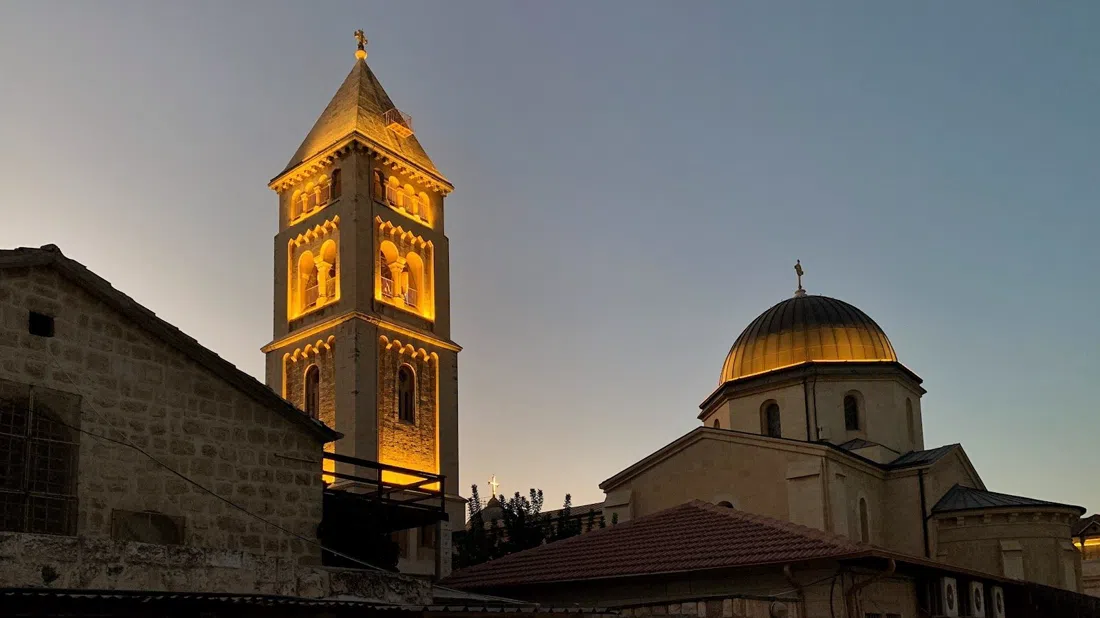
Because your time on the platform is short and controlled, the roofs are where you actually look at the thing. The Lutheran Church of the Redeemer bell tower (Christian Quarter, beside the Holy Sepulchre) delivers the cheapest good aerial photograph of the compound anywhere inside the walls, 15 NIS including the excavations beneath the church. The stair is narrow and one-way, so it suits couples and small groups; a coach party has to be staggered in batches or it jams. It opens Monday to Saturday, 10:00 to 17:00, closed Sundays, which slots it neatly into the dead hours after the esplanade shuts at midday.
Austrian Pilgrim Hospice of the Holy Family (Via Dolorosa, at the edge of the Muslim Quarter) is the nearest civilised sit-down to the compound and the standard recovery stop after an early slot: a Habsburg-style coffee house two minutes from the souq, with Café Triest downstairs and a roof terrace that shows you the dome you were just standing beside. The roof carries a small fee of around 5 NIS, coffee and cake run roughly 25-45 NIS. Walk-ins and small groups are fine; a large party should ring ahead.
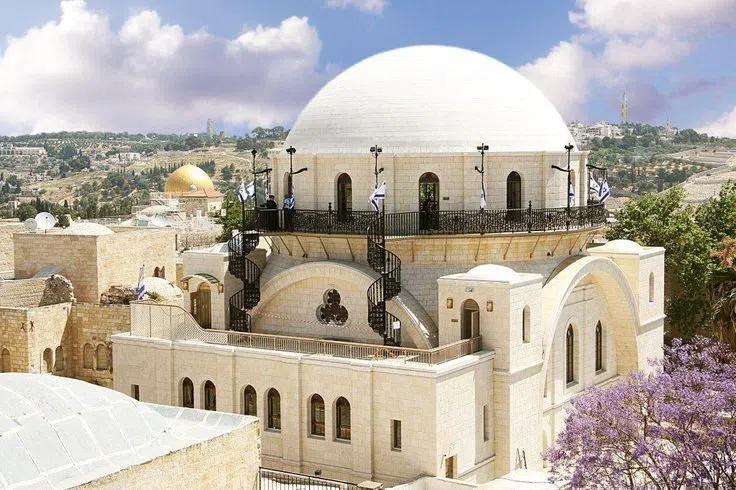
Hurva Synagogue (Jewish Quarter, five minutes from the Western Wall) is the only ticketed rooftop gazebo that puts the dome at eye level from the west: about 22 NIS adult, 18 NIS student, 11 NIS child or senior, with guided tours extra and needing roughly twenty people to run. It takes groups Sunday to Thursday and closes Friday afternoon and Saturday, as most of the Jewish Quarter does.
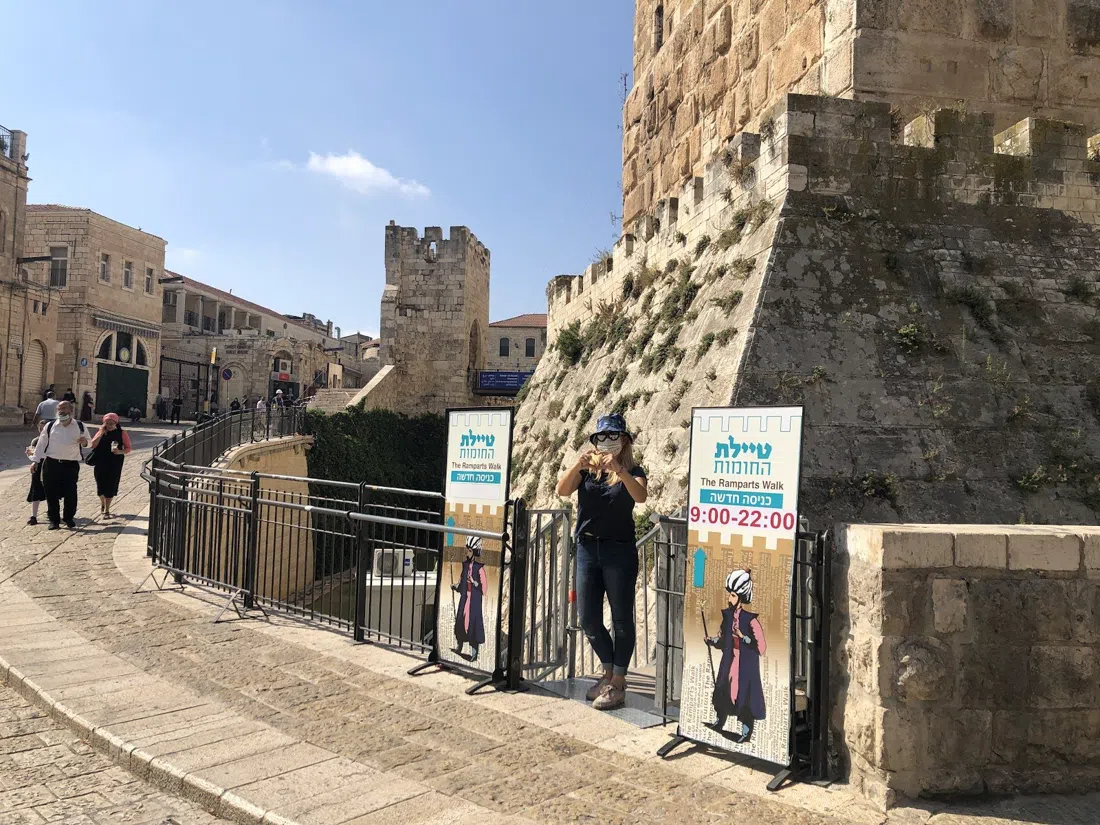
And when the esplanade is shut to visitors entirely, the Ramparts Walk (Old City walls, from Jaffa Gate) is the dependable fallback: about 25 NIS adult, 15 NIS concessions, valid all day across both routes. The northern route hands you repeated free angles over the compound with no queue and no dress code. The parapet is single-file in places, so large coach parties bottleneck, and it is neither step-free nor stroller-friendly.
The quiet approach
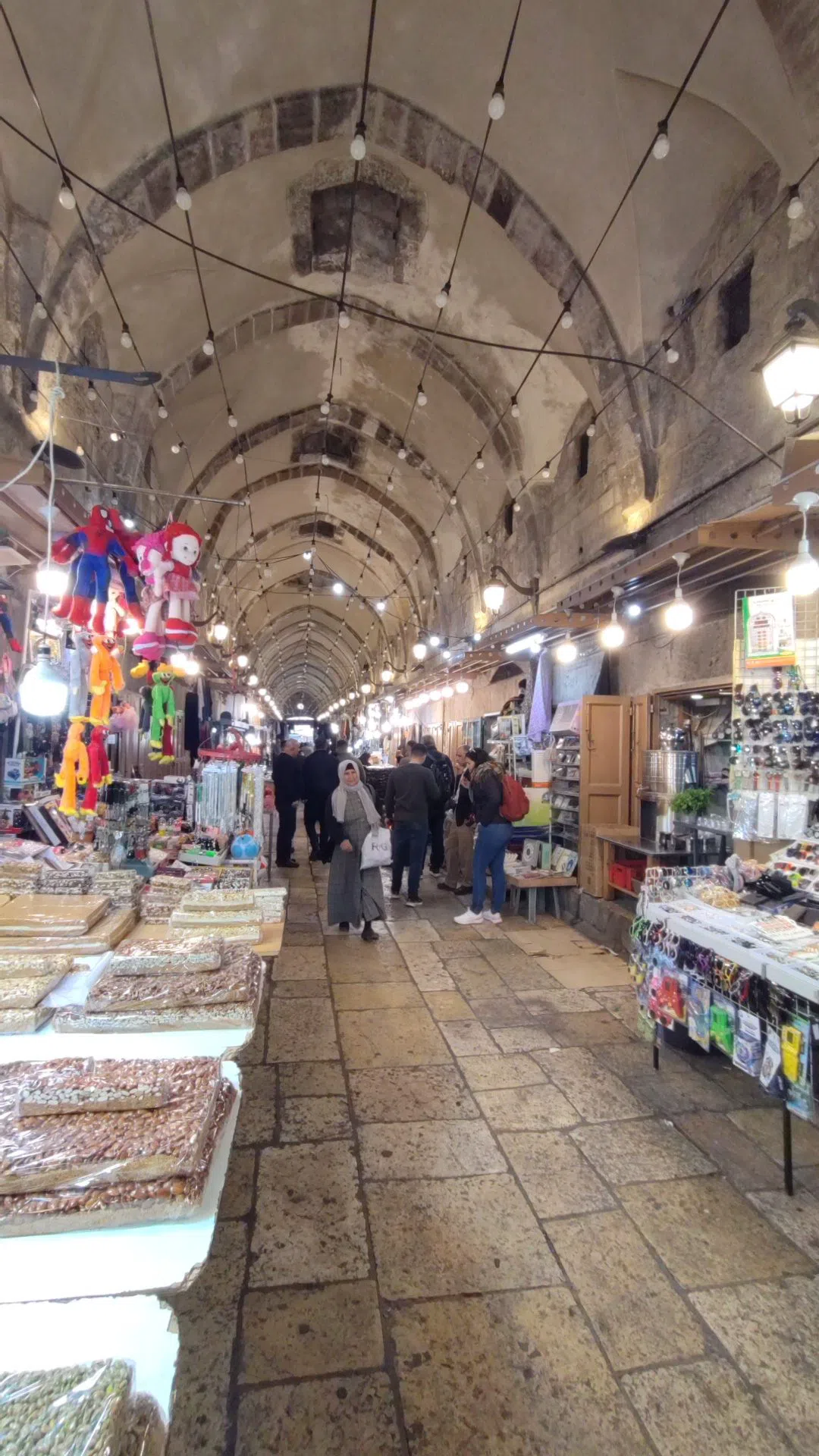
If you want to arrive on foot without the full souq scrum, walk Souq al-Qattanin (the Cotton Merchants' Market, Muslim Quarter), free to enter and almost empty most hours. There are no cotton merchants left, but the restored khan, the bathhouses and the skylit vault are genuine Mamluk work and about as good as medieval commercial architecture gets in this city. Know in advance that the gate at its eastern end is a Muslim-only entrance to the compound, so do not join that line. Walk this for the architecture; it will not get you in.
What to do with the rest of the morning
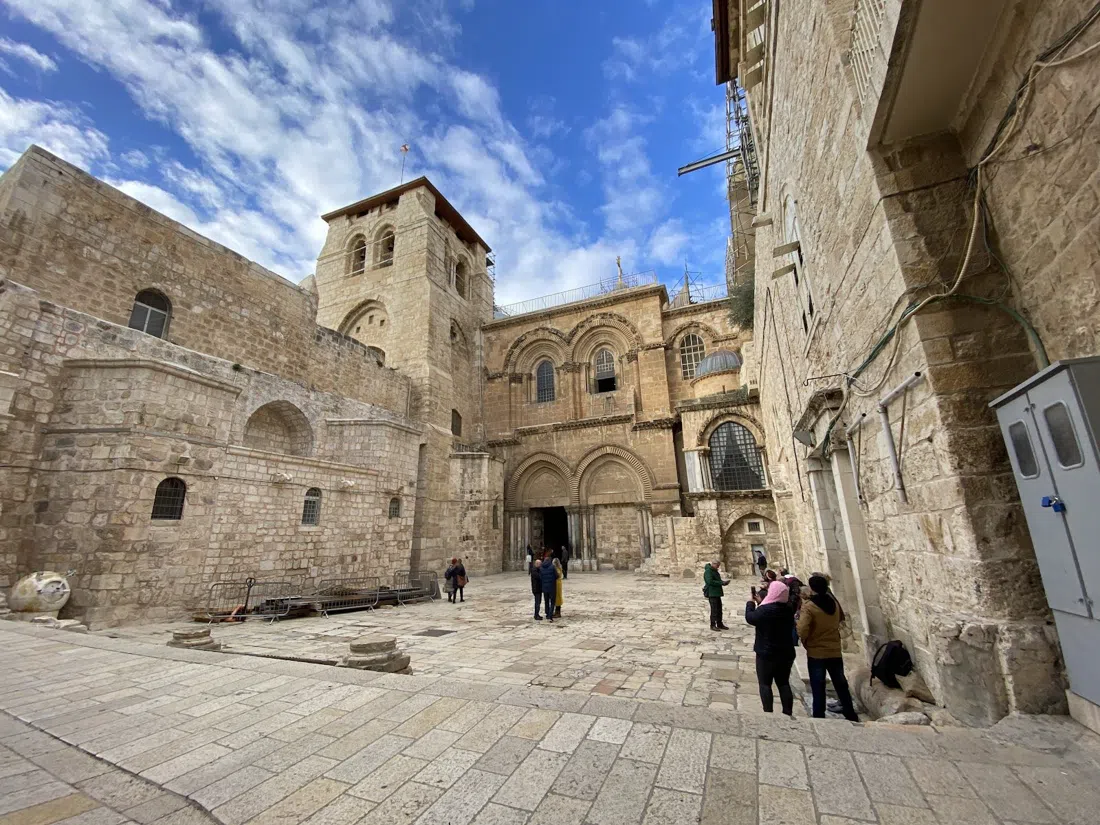
Church of the Holy Sepulchre (Christian Quarter) is two minutes from the Lutheran tower, free to enter, and the obvious pairing. It opens at 05:00 for most of the year and 04:00 from November to March, and it is at its calmest before 07:00; there is no crowd control at all, so by midday the queue for the Aedicule runs 45 to 60 minutes and often longer. A 05:30 Sepulchre visit followed by the 07:30 Mughrabi queue is the sharpest half-day route in Jerusalem.
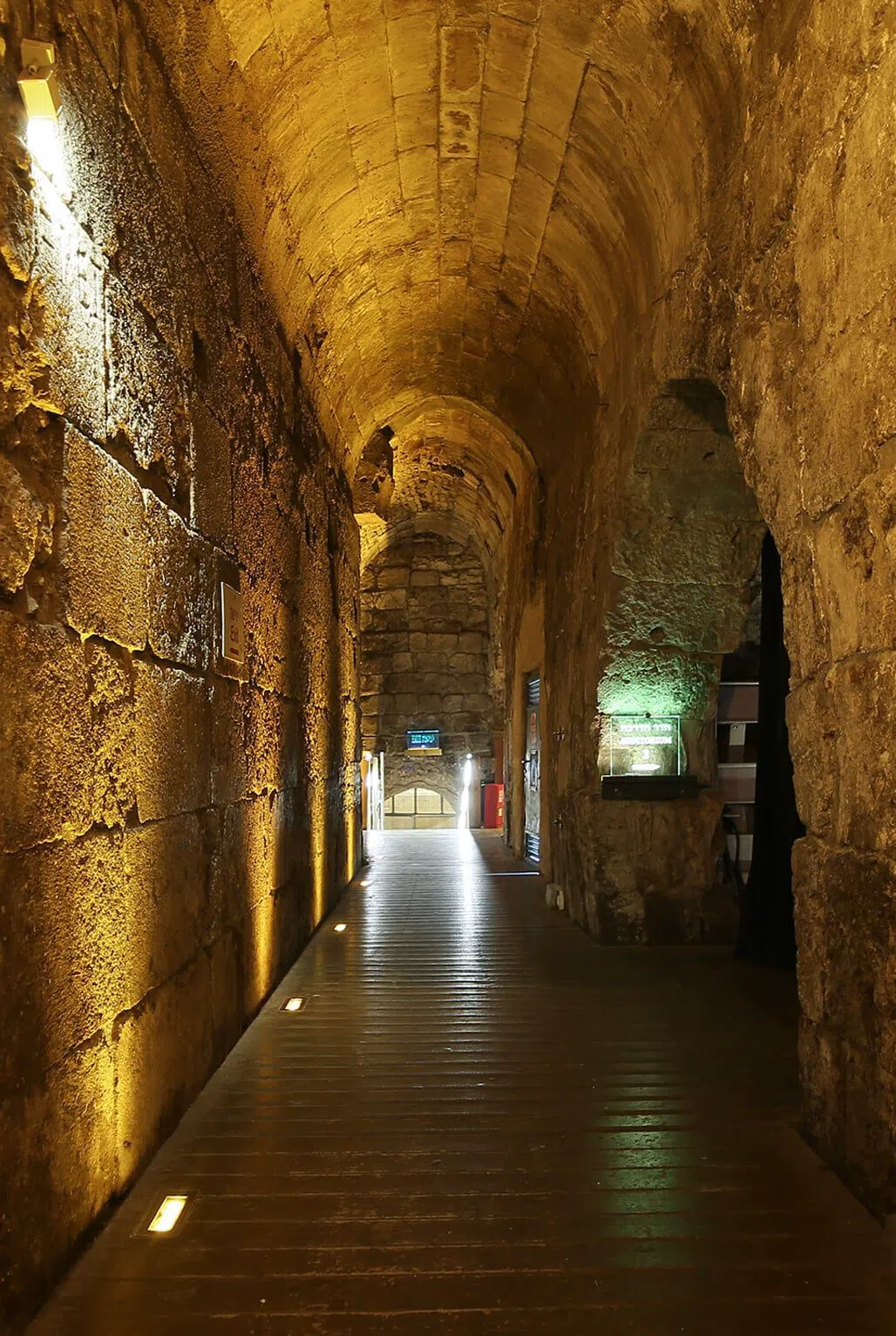
The best intellectual pairing is the Western Wall Tunnels (Western Wall Heritage Foundation, Jewish Quarter), which run under the compound's retaining wall and explain the platform you have just walked across. It is reservation-only, capped around 35 people per guided slot, about 75 minutes long, and roughly 40 NIS adult or 20 NIS child and student. It sells out weeks ahead, so book it before you fly rather than on arrival; the newer Great Bridge Route runs alongside the original Great Stone Route.
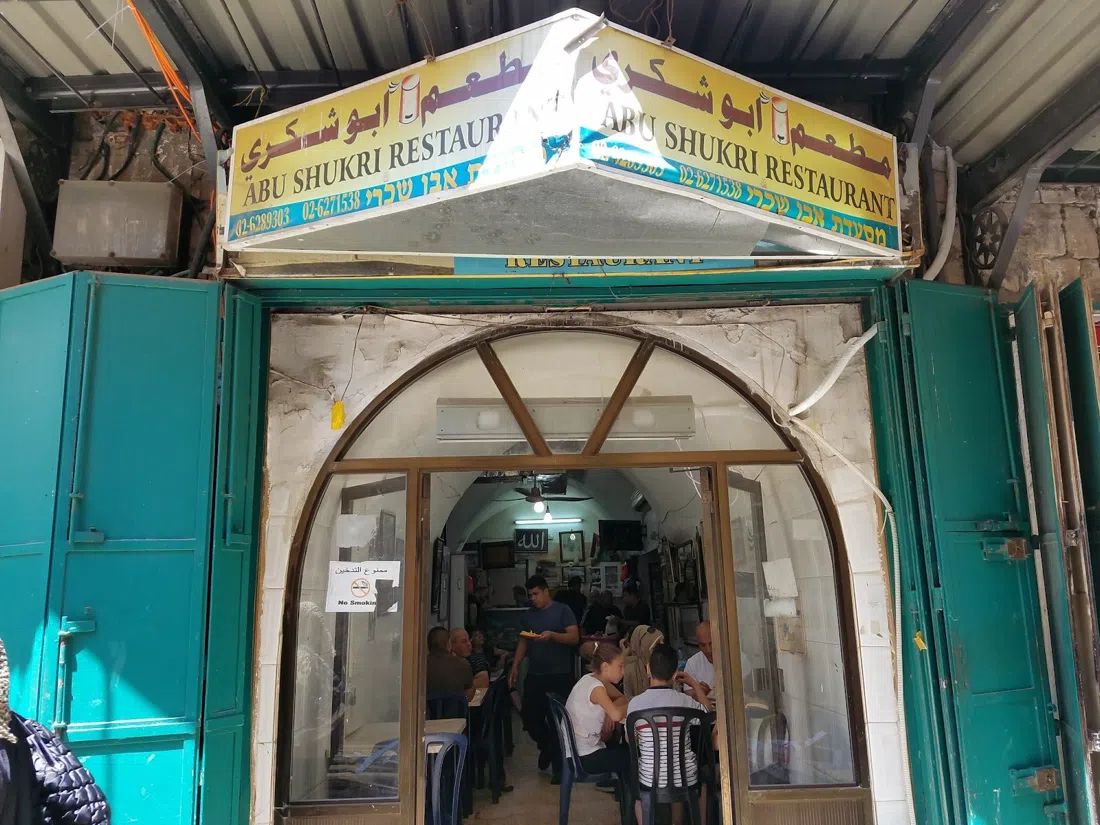
For food, Abu Shukri (Via Dolorosa, Muslim Quarter) has been serving the Old City's best-known hummus for seventy-odd years, four minutes from the compound's western gates, open daily about 08:00 to 17:00. Roughly 22-45 NIS a head (about 6-12 USD). It is walk-in only and cramped (fine for six or eight, hopeless for a coach), and you want to be there before 12:00 or after 14:00.
At the door or with a guide booked ahead
There is no door charge, which changes what a guide is for. You are paying for sequencing, context and someone who knows whether the gate is open today. A guided option exists if you want it, and across the bookable tours here there are 318 traveller reviews, with the top-rated tour at 5.0 out of 5 from 119 reviews. Two caveats: that top tour starts from 450 USD per person, which is private-guide money rather than group-coach money, and the operator confirms it manually, so allow up to 48 hours. It cannot be booked last-minute. Request it before you land.
Going independently is entirely viable and costs nothing beyond your time. The trade is that you do your own homework on the day's access, and you get no commentary on the platform anyway.
Is it worth it
Yes, with one condition: you have to accept the terms. If "I couldn't go inside" will sour the memory, spend your morning in the Sepulchre and shoot the dome from the Lutheran tower instead. If standing on one of the most contested forty acres on earth, beside a building of extraordinary craft, in unexpected quiet, is enough, and for most people it is more than enough, then this is the best free hour in the Old City.
It suits couples and small independent travellers best, because they can move on the narrow windows and slip into the short early queue. Organised groups work fine on the esplanade itself but hit friction everywhere around it: the ramp is single-file, the guide cannot lecture up top, the bell tower stair is one-way, and Abu Shukri cannot seat you. Families manage well, since the platform is flat, open and pram-passable, even if the Ramparts Walk is not. Anyone with limited mobility should know the ramp is a climb and the screening involves standing.
Best time to go
The first window of the day, Sunday to Thursday, is the only answer that works year-round: be at Western Wall Plaza by 07:00-07:15 for the slot that opens around 07:30, and you get thin crowds, low gold-coloured light and the whole window ahead of you. The second window, about 13:30 to 14:30 in summer, is a single compressed hour in hard overhead light and is best treated as a backup. In winter both windows shift roughly an hour earlier and run shorter, so re-check rather than reusing summer timings.
Friday and Saturday, plan around a closed esplanade. The Ramparts Walk, the Mount of Olives promenade and the Lutheran tower cover you, though the tower is shut on Sundays and the Jewish Quarter sites close for Shabbat. Across the year, spring and autumn mornings are the kindest for walking and photography; high summer makes the shadeless platform punishing by 10:00, and winter brings short, bright, cold mornings with the fewest visitors. Ramadan and Muslim holidays close the compound to non-Muslims, as do days of tension, at no notice.
Practical notes
Stay inside or just outside the walls and the whole route above is walkable before breakfast; the Jerusalem hotel search is the fastest way to compare what sits within ten minutes of Jaffa Gate. Otherwise the light rail and city buses reach the Old City perimeter easily, and taxis will drop at Jaffa or Dung Gate but not inside, because the lanes are stepped and vehicle-free.
Carry shekels in small notes. The compound is free, but the fees that make up the day are small and cash-friendly: around 5 NIS for the Austrian Hospice roof, 15 NIS for the bell tower, 22 NIS for Hurva, 25 NIS for the ramparts, 40 NIS for the tunnels, 55-60 NIS for Tower of David. Budget roughly 150-200 NIS per person for a full day that includes two paid viewpoints, the tunnels and lunch, or close to nothing if you keep to the esplanade, the Sepulchre and the Mount of Olives.
Bring a passport, a scarf, water and a hat, and wear shoes you can climb a ramp and a tower stair in. Book the tunnels well before you travel and, if you want a private guide, request it at least two days out. Then check the gate's status the morning you go, and have the Ramparts Walk in your pocket for the day it is shut.