The Jerusalem issue
The Shared Stone: Inside Jerusalem's Holy Sepulchre and the City's Oldest Contest
A calm, early-rising walk through the holiest few hundred metres on earth — where six denominations, three faiths and three thousand years share the same worn limestone, and how to see it with respect and good timing.

By Inês AlmeidaOne city, four quarters
Before the first coach idles at Jaffa Gate, Jerusalem belongs to the people who live inside it — a shopkeeper rolling back a shutter, a priest crossing an empty courtyard, grey dawn light settling on stone that has been walked smooth for three thousand years. This is a city where four quarters, three faiths and a dozen Christian denominations share the same few hundred metres of rock, sometimes down to the centimetre. Come with time, modest clothes and an early alarm, and Jerusalem will show you how sacred geography actually works — not as a backdrop for photographs, but as a living argument about who prays where, and when.
First light, high ground: getting your bearings
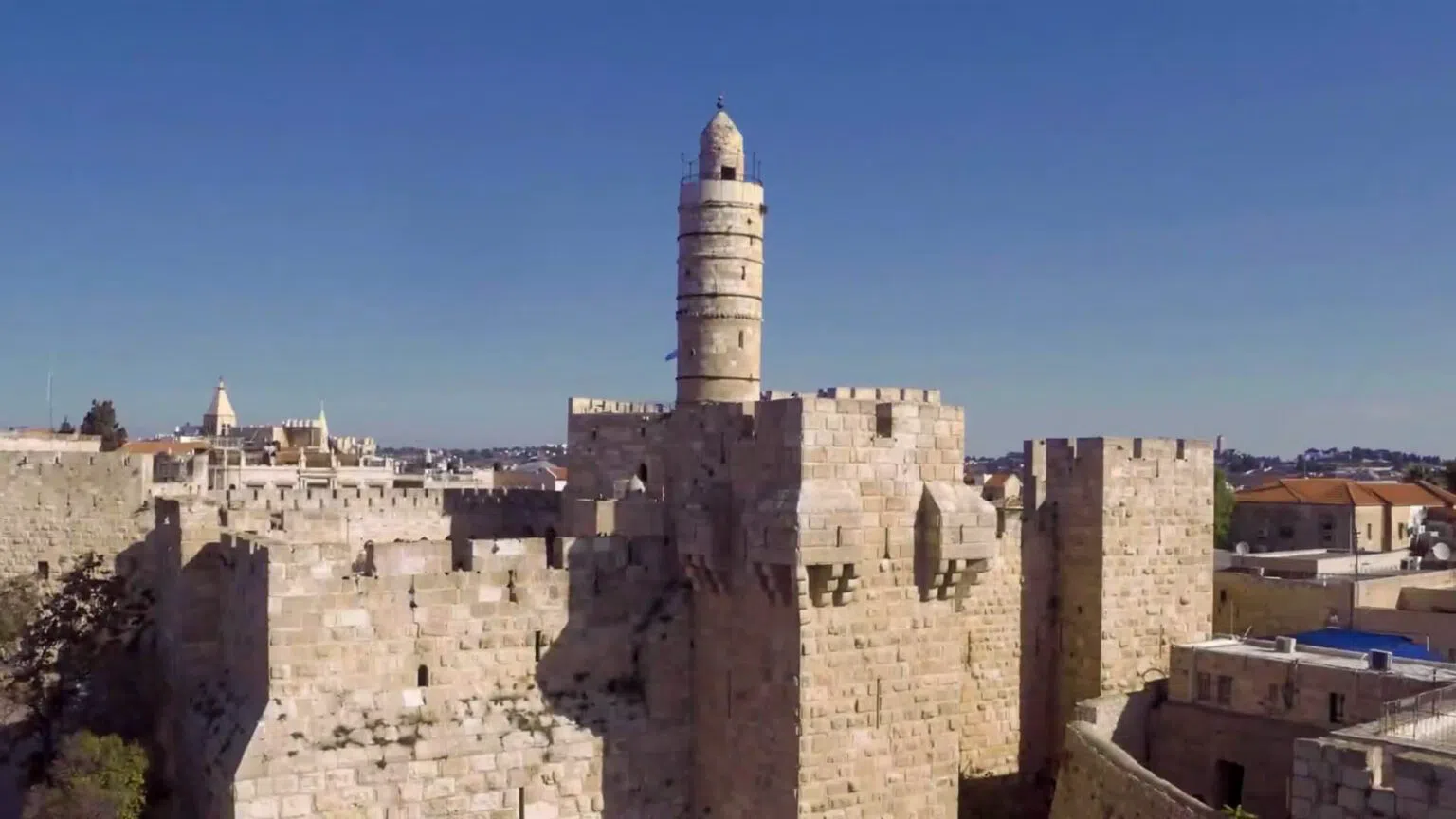
The single most valuable hour in Jerusalem is the one before the tour buses arrive, and the smartest way to spend part of it is looking down on the maze before you enter it. Begin at the Tower of David Jerusalem Museum (Jaffa Gate), the Crusader-era citadel that reopened in 2023 after a full renewal, with ten new galleries walking you through the city's layered history. It runs a dedicated reservation centre and group tours, and guided tours are included with entry (around ₪40). Give it 90 minutes before you step into the Old City proper — you will read every holy site more clearly for it, and the rampart views are the best orientation you can buy.
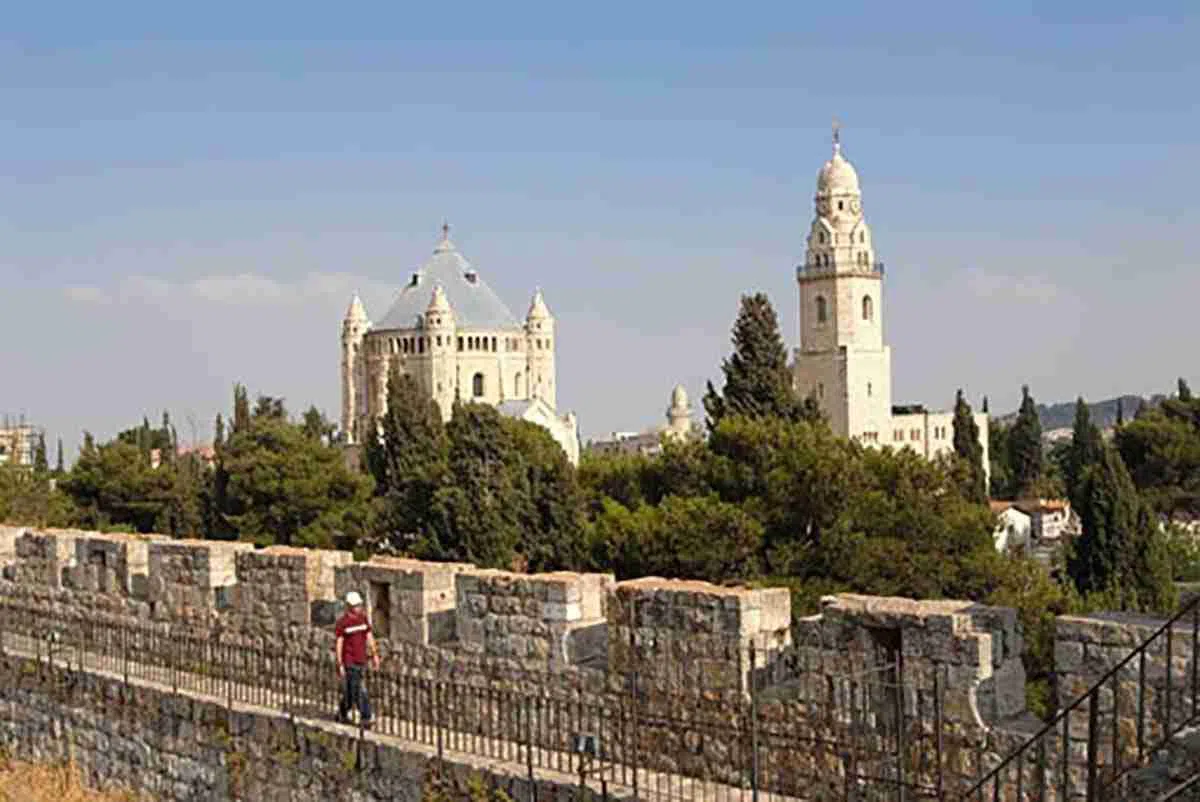
For the same reason, consider the Ramparts Walk (Old City Walls, entered from Jaffa Gate), a ticketed circuit of roughly ₪25, valid all day, along Suleiman the Magnificent's sixteenth-century walls. It is the single best way to see the four quarters and their sacred sites as one connected map. Be honest with yourself about mobility first: it is many stairs and narrow passages, and it is not wheelchair- or stroller-accessible. Go for the morning light and the shade.
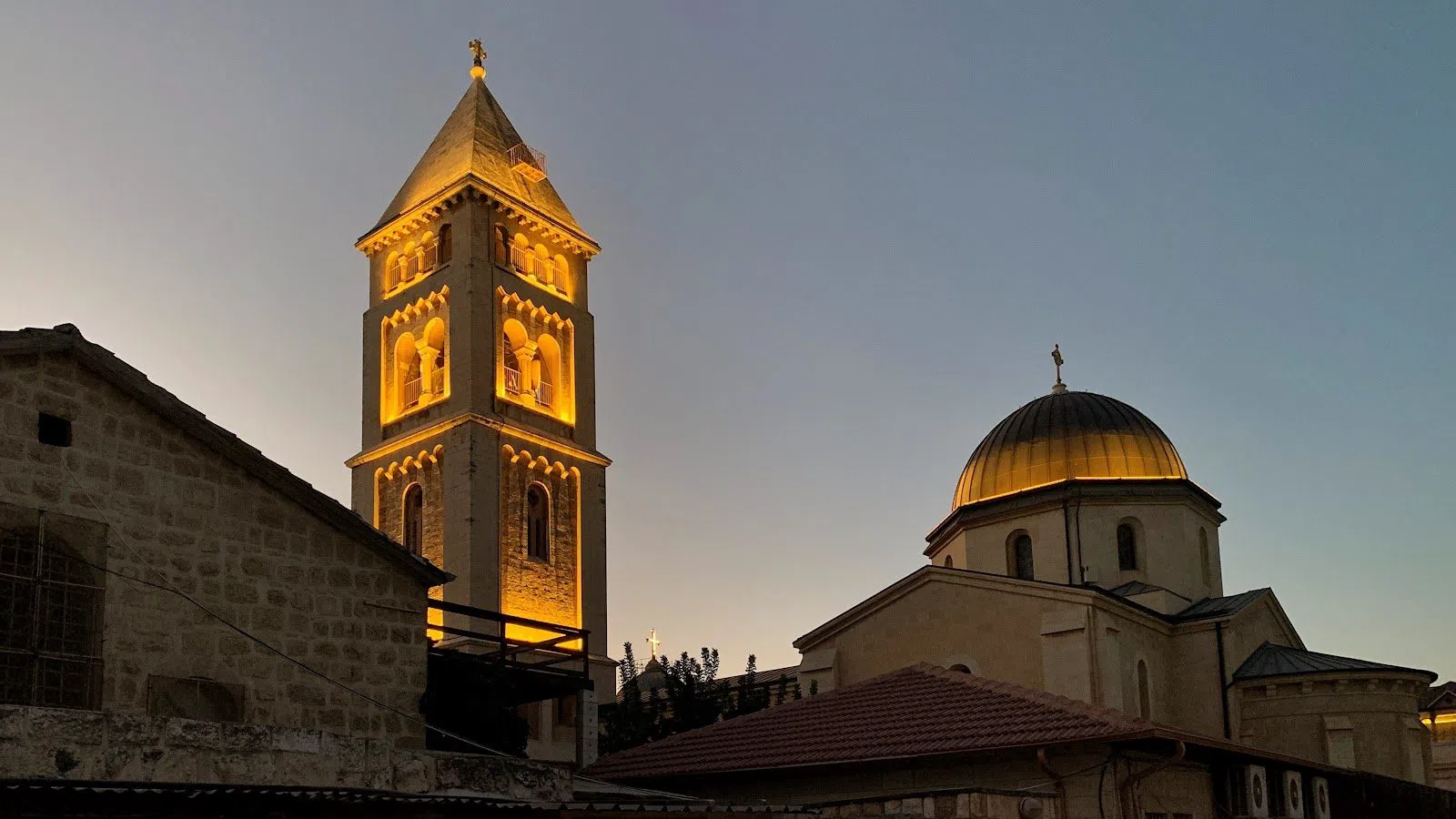
If you want the definitive aerial of the Christian Quarter, the Lutheran Church of the Redeemer (Christian Quarter) charges a small fee (about ₪15) for its tower, crypt and exhibition, open daily. The 40-metre climb is narrow and steep — genuinely for the able-bodied only, and no place for a large group to bottleneck — but from the top the domes of the Holy Sepulchre sit almost within reach, with the Mount of Olives beyond.
Plan your Jerusalem trip
Live prices from our booking partners.
Free cancellation on many rooms. We may earn a commission when you book.
The shared stone: the Holy Sepulchre and the oldest contest
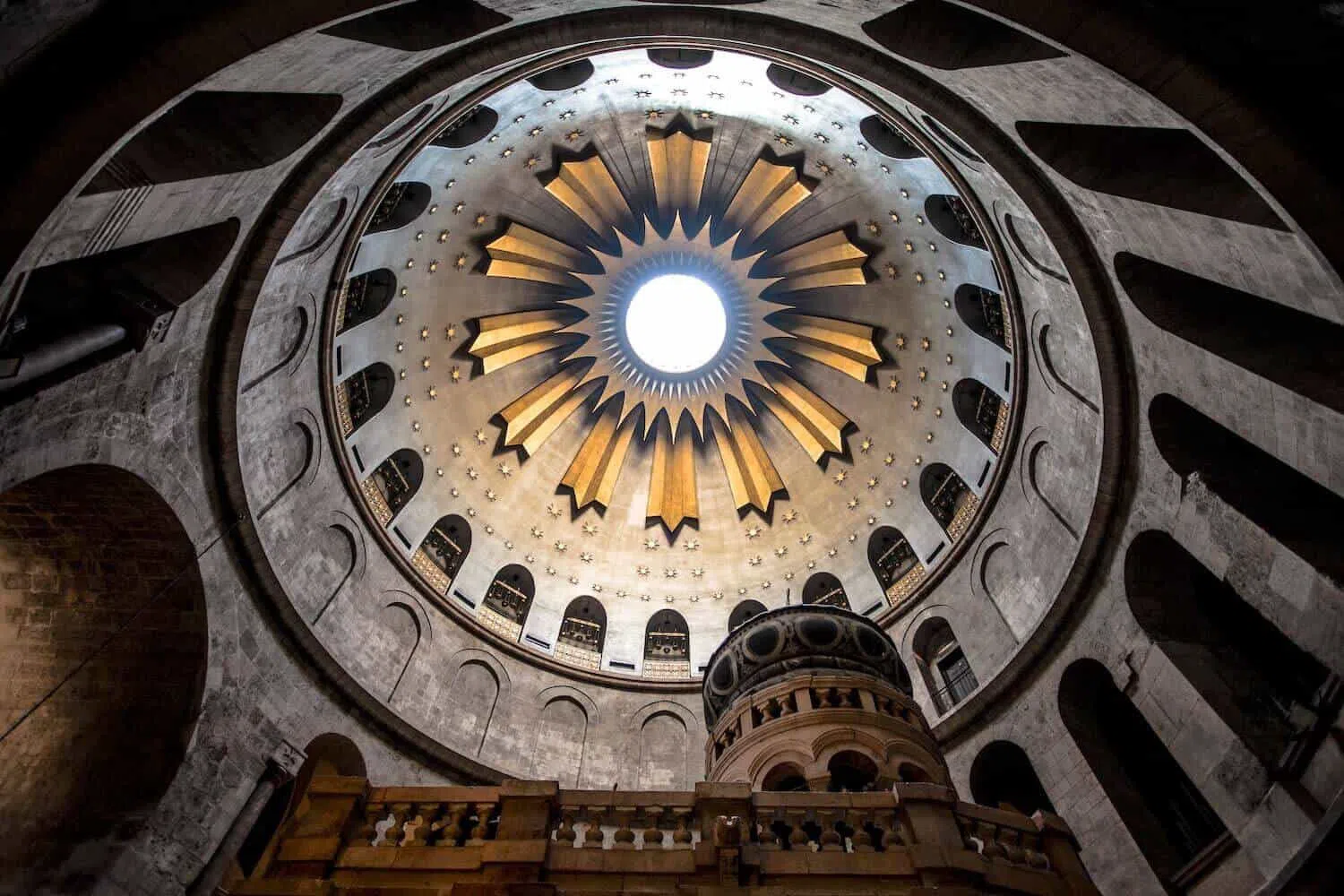
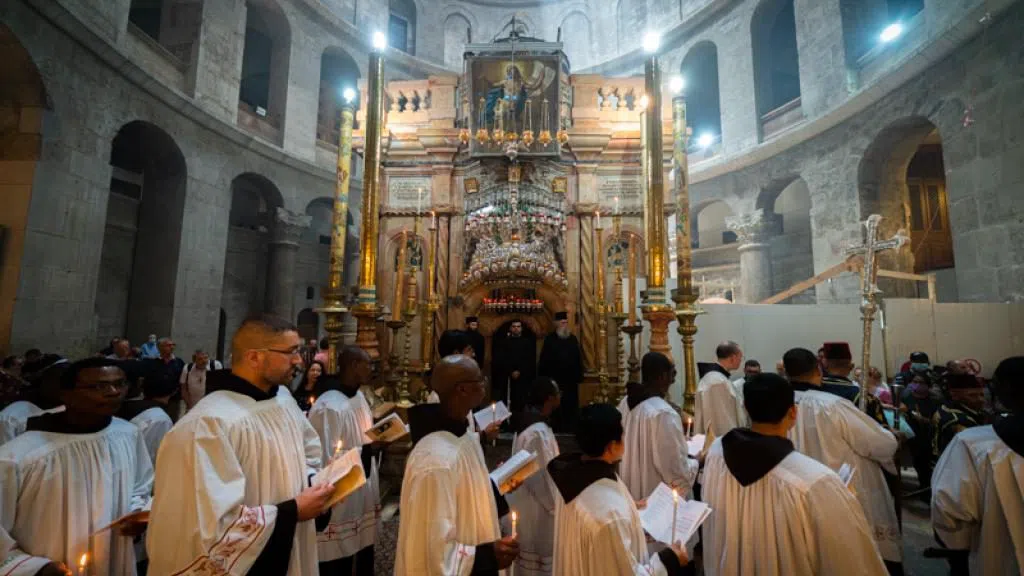
Everything in this guide orbits one building. The Church of the Holy Sepulchre (Christian Quarter) is free, needs no ticket, and welcomes all faiths and every tour group that files through its low door — which is exactly the problem. Built over both Calvary and the empty tomb, it is the holiest church in Christendom, and by mid-morning it can feel less like a place of prayer than a slow river of people. Go before 8am. In that first grey hour you can actually stand at the edicule, hear the overlapping chants, and feel the weight of the place before the coach parties reach it.
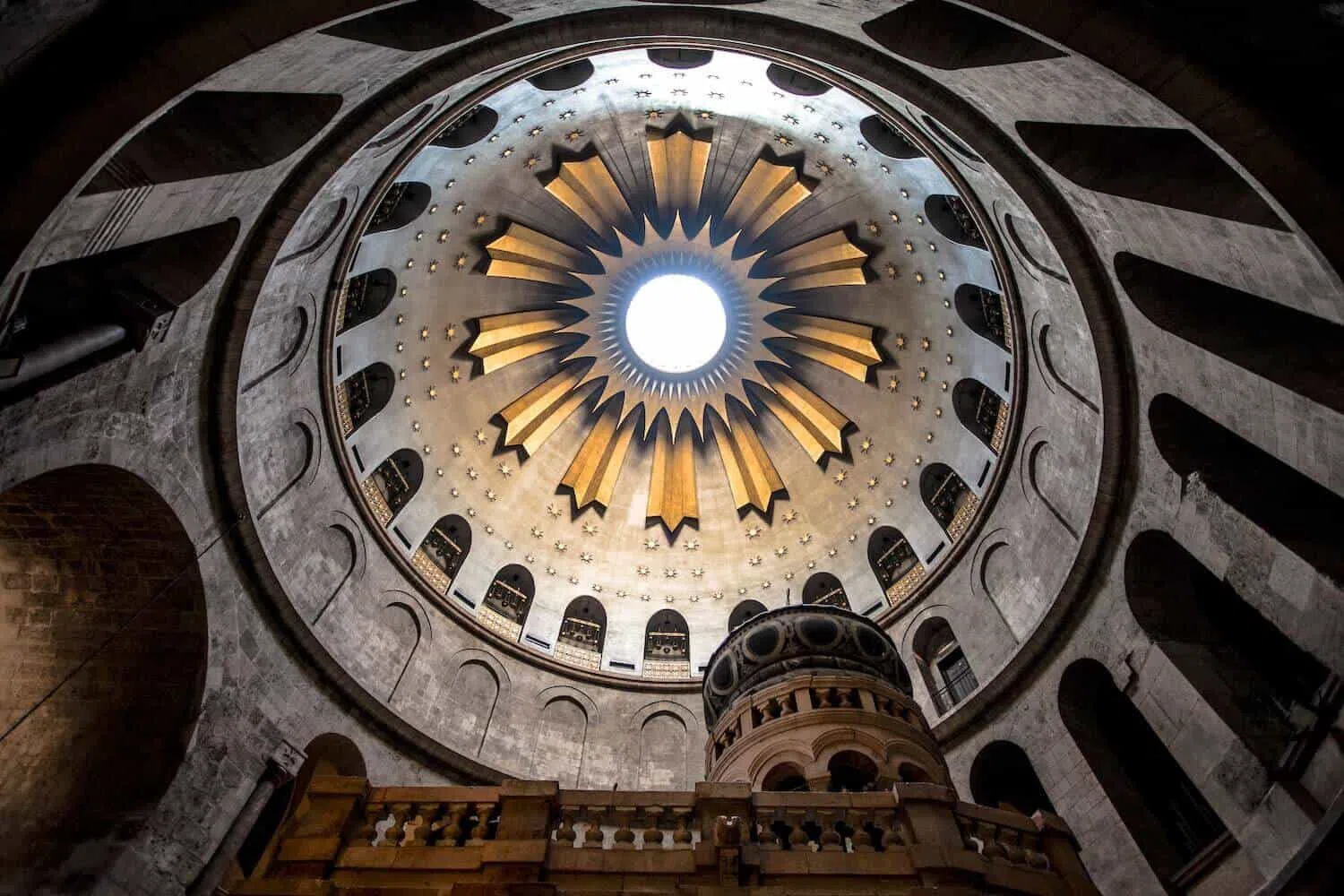
The title of this piece is not a metaphor. The Holy Sepulchre is home to the city's oldest running contest: six Christian communities share the church under a centuries-old "Status Quo" that freezes who controls which chapel, lamp and step. The famous immovable ladder beneath a window has stood unmoved for generations precisely because no single community may touch it alone, and the front-door key is traditionally kept by a local Muslim family so that no one denomination holds it over the others. Understanding that fragile arrangement changes how you watch the place — every candle and every threshold is negotiated ground.
A practical word on who it suits. Couples and solo travellers can slip in early, linger, and leave. Large groups should assign a meeting point outside and go in small clusters; the interior corridors are cramped and shared with worshippers mid-liturgy. Shoulders and knees covered, voices low, phones down at the tomb itself.
Walking the Via Dolorosa with intention
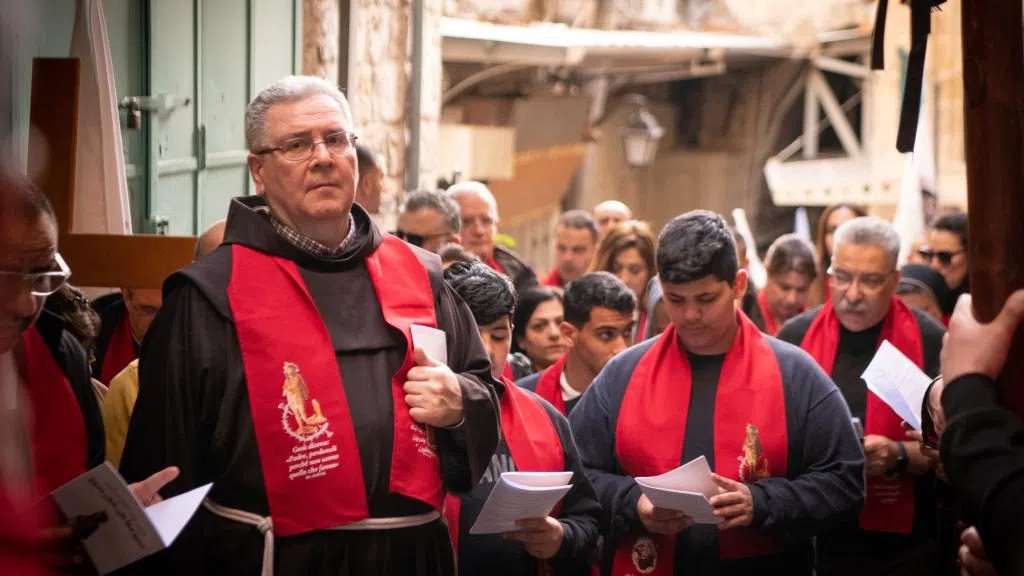
From the Sepulchre's doors, the traditional route of Christ's final walk runs backwards uphill into the Muslim Quarter. The Via Dolorosa (Muslim and Christian Quarters) is free and walkable self-guided on any day, its fourteen stations marked along ordinary working lanes where you will step around delivery carts and spice sacks. The most atmospheric way for a group to experience it is the weekly Franciscan-led procession, which departs the Church of the Flagellation on Fridays at around 3pm and is open to all denominations. Arrive early to find the start; the friars set a steady, prayerful pace that a mixed group can keep.
Halfway along, the Ecce Homo Convent (Via Dolorosa, Muslim Quarter), run by the Sisters of Zion, is a quiet corrective to the crush outside. The archaeology is ticketed: you walk Roman-era paving stones and peer down into a Herodian pool, and the rooftop — open to guests of its guesthouse — offers one of the calmest views of the Dome of the Rock in the whole quarter. It suits reflective visitors and pilgrim groups who want to slow down; the guesthouse itself is a modest, honest place to stay inside the walls.
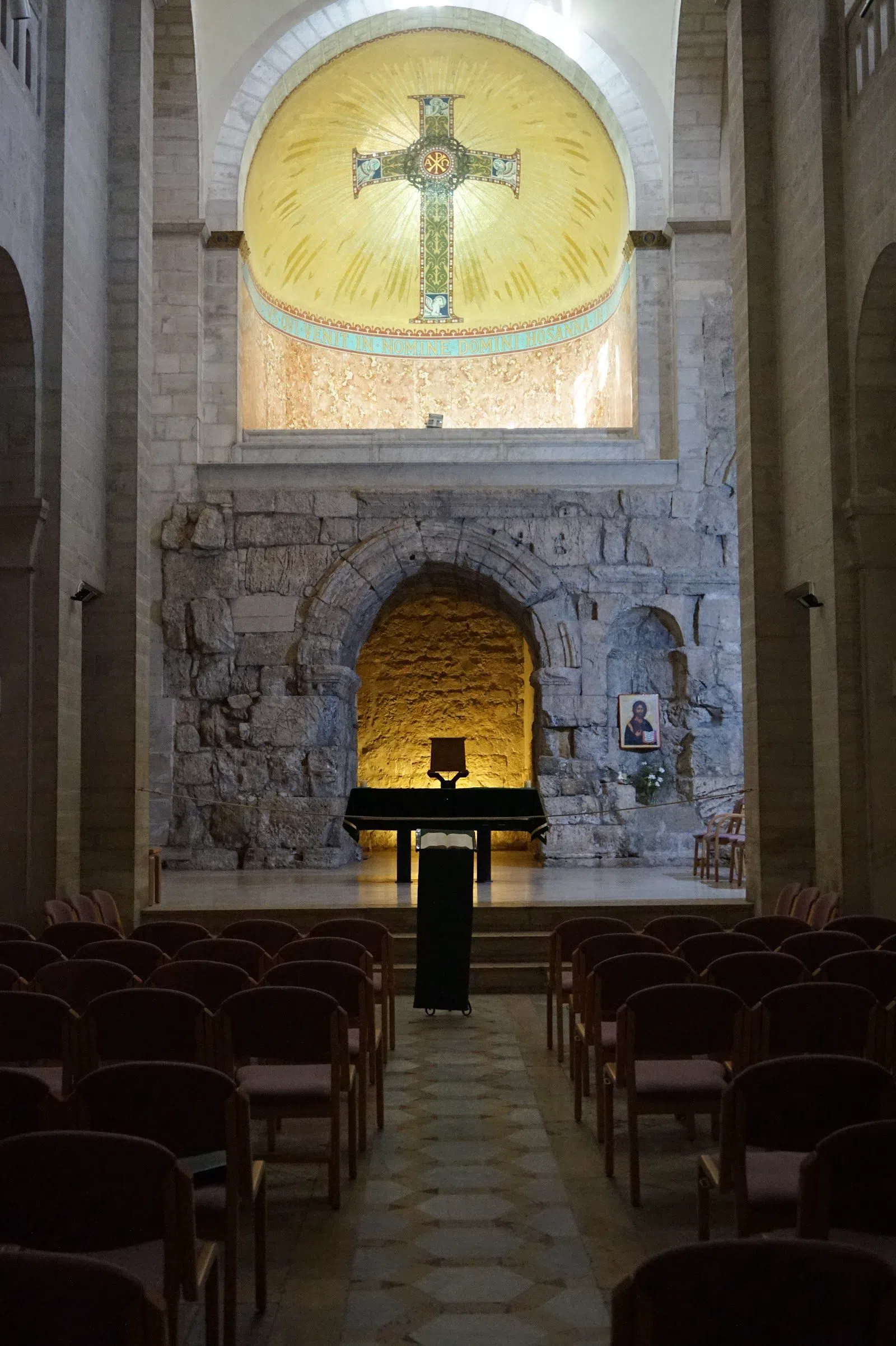
Close to Lions' Gate, the Church of St. Anne & Pools of Bethesda (Muslim Quarter) asks a small entry fee and rewards it twice over. The Crusader church has cathedral-grade acoustics, and it explicitly welcomes pilgrim groups to sing beneath its stone vault — religious songs only. Beside it lie the excavated Pools of Bethesda, the Gospel healing site. If your group sings, this is the highlight of Jerusalem; a single hymn here carries in a way no recording captures. Couples and non-singers will still find the ruins and the hush worth the detour.
The great platform: Wall, tunnel and esplanade
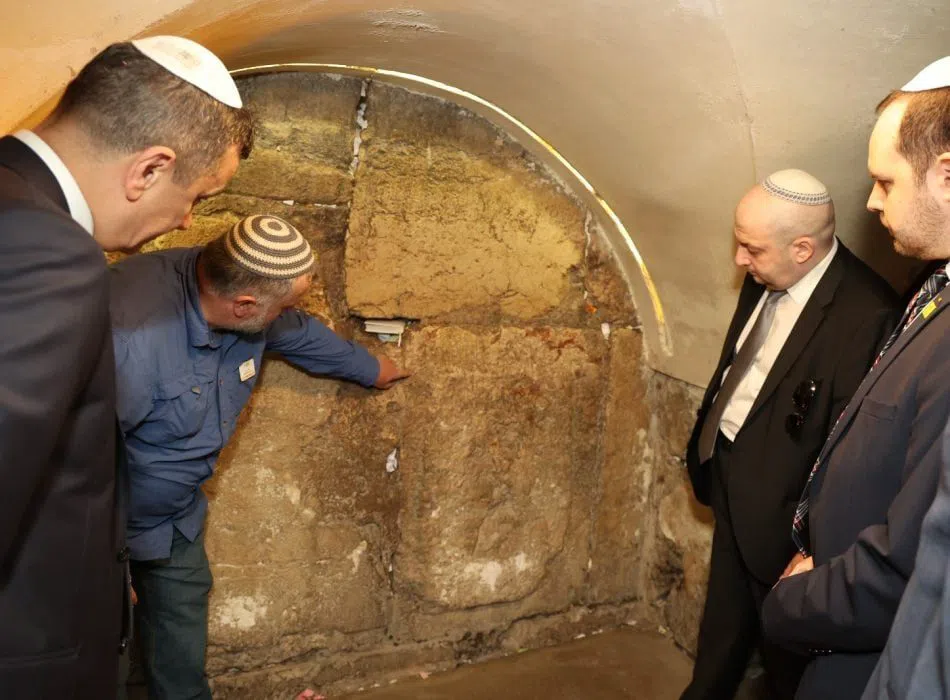
Drop down through the quarter to the vast plaza of the Western Wall (Jewish Quarter), Judaism's most sacred accessible prayer site and the retaining wall of the Second Temple platform. It is open 24 hours to all faiths, free, with free head-coverings for men at the entrance and separate men's and women's prayer sections; modest dress applies to everyone. Groups are welcome, but this is a place of live, continuous prayer — approach the stones quietly, keep cameras respectful on Shabbat, and let people finish before you crowd the wall.
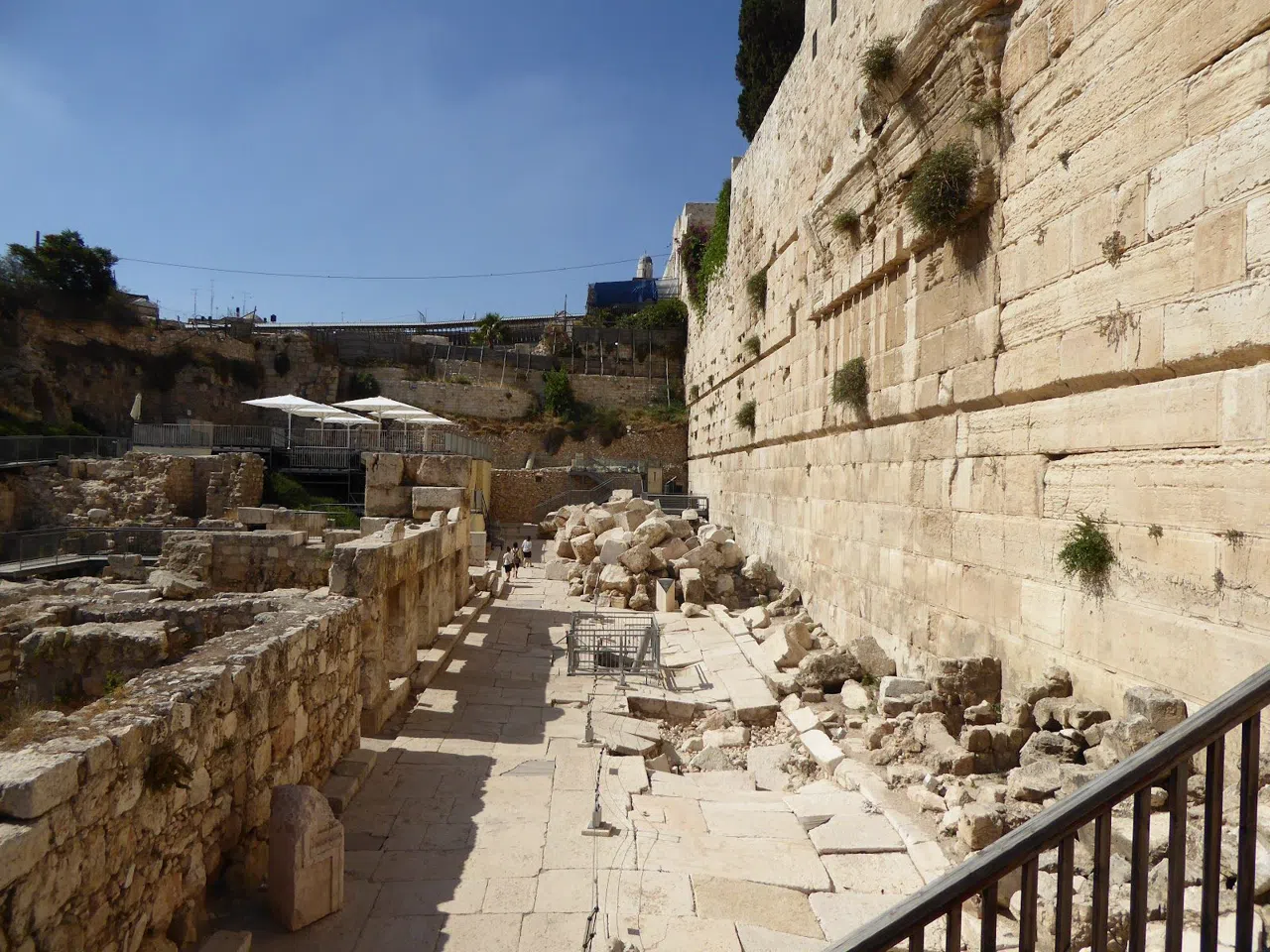
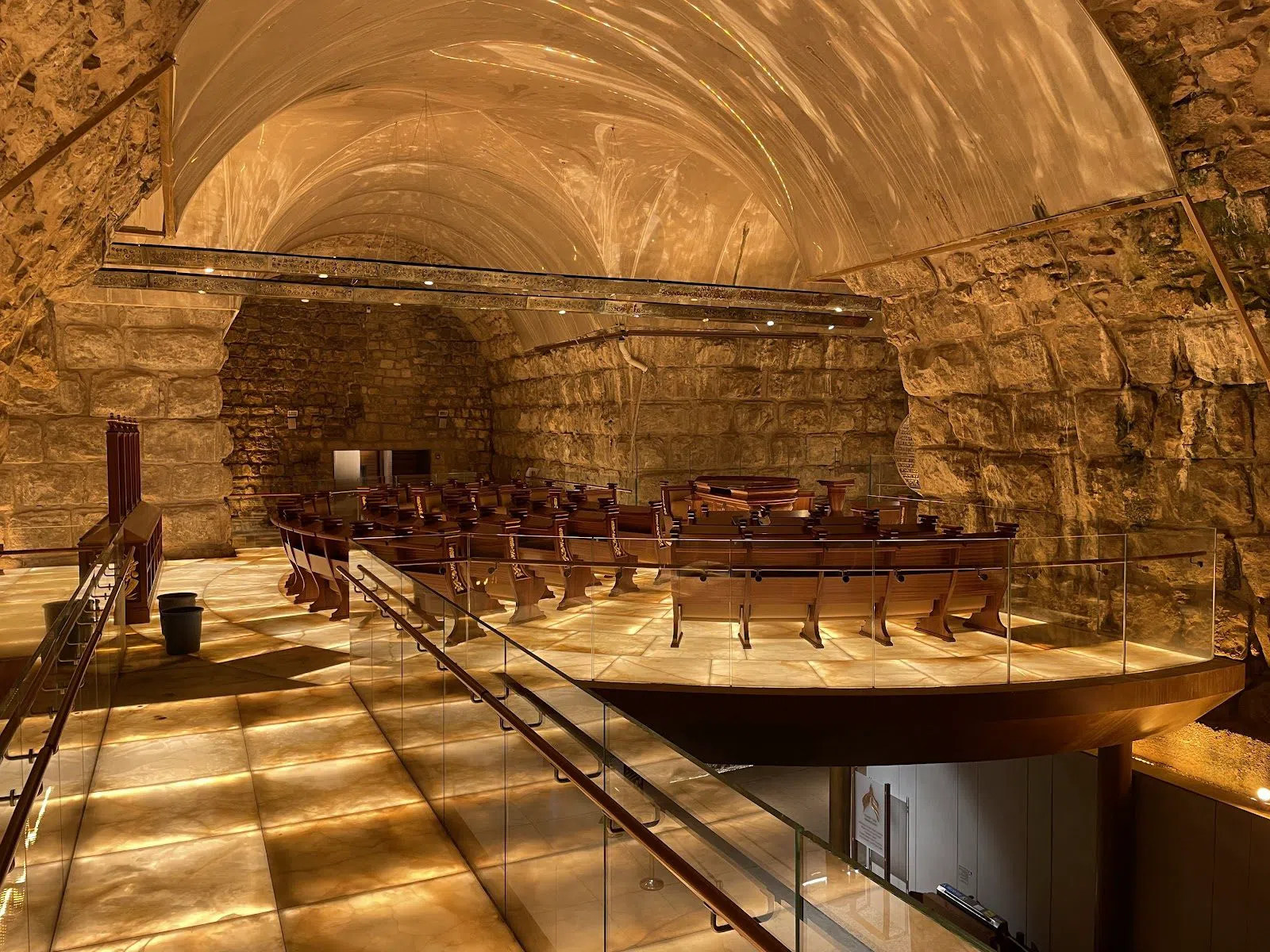
To grasp why the wall matters, book the Western Wall Tunnels (Jewish Quarter), a guided underground tour by advance reservation only. It follows the buried continuation of the wall and Second-Temple-era streets, and it is the best way to physically feel how the modern city sits on top of the ancient one. The logistics are real: groups run up to 35 (minimum 18 for an independent group), it is closed on Shabbat and festivals, tickets are around ₪35–45, and you should book roughly two months ahead. This one rewards planners, not walk-ins.
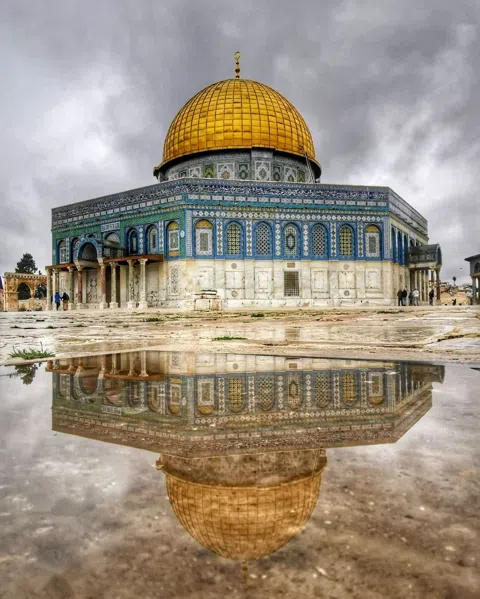
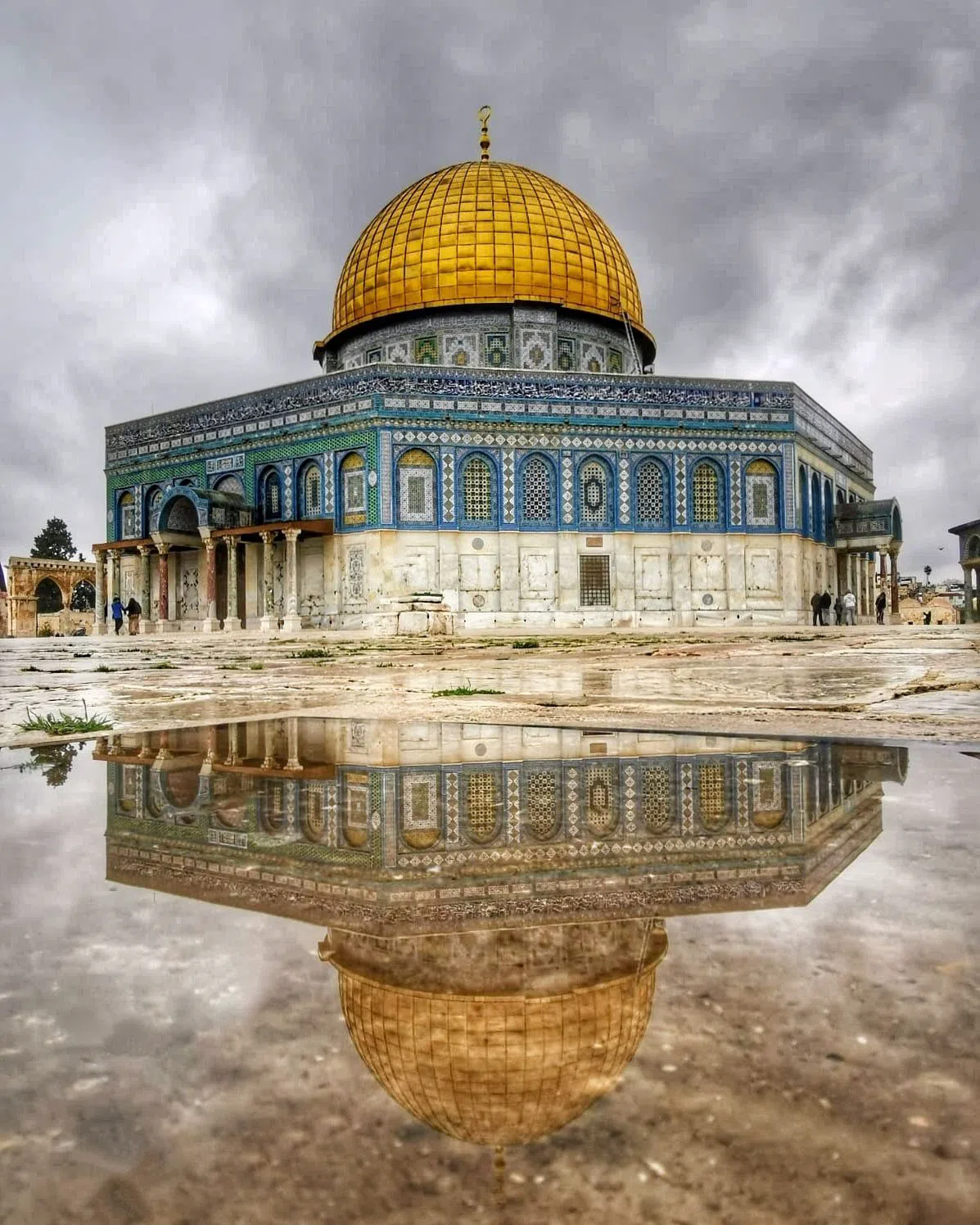
Above both rises the most contested skyline in the Holy Land: the Temple Mount / Haram al-Sharif (above the Western Wall), the Dome of the Rock esplanade. Non-Muslims enter only via the Mughrabi Bridge ramp, during set morning and early-afternoon windows Sunday to Thursday — never on Friday or Saturday, and never inside the Dome of the Rock or Al-Aqsa. Strict modest dress is enforced, and the hours shift with prayer times, so check the same day. Groups are permitted onto the esplanade but not into the shrines. Treat it as sacred ground you are being allowed to cross, not a viewpoint you are owed; walk calmly, keep to the open space, and do not stage photographs near worshippers.
Mount Zion and the city's oldest core
Just outside Zion Gate, the Cenacle (Room of the Last Supper) & Mount Zion (Mount Zion) is one of the rare buildings that layers Jewish and Christian memory in a single stack of stone: the traditional upper room of the Last Supper and Pentecost sits directly above the site venerated as David's Tomb. Entry is free and open to all faiths, and groups are welcome — though Franciscan Mass is celebrated in the room only twice a year. The Dormition Abbey, with its round, mosaic-floored church, stands a few steps away and is worth the short walk.
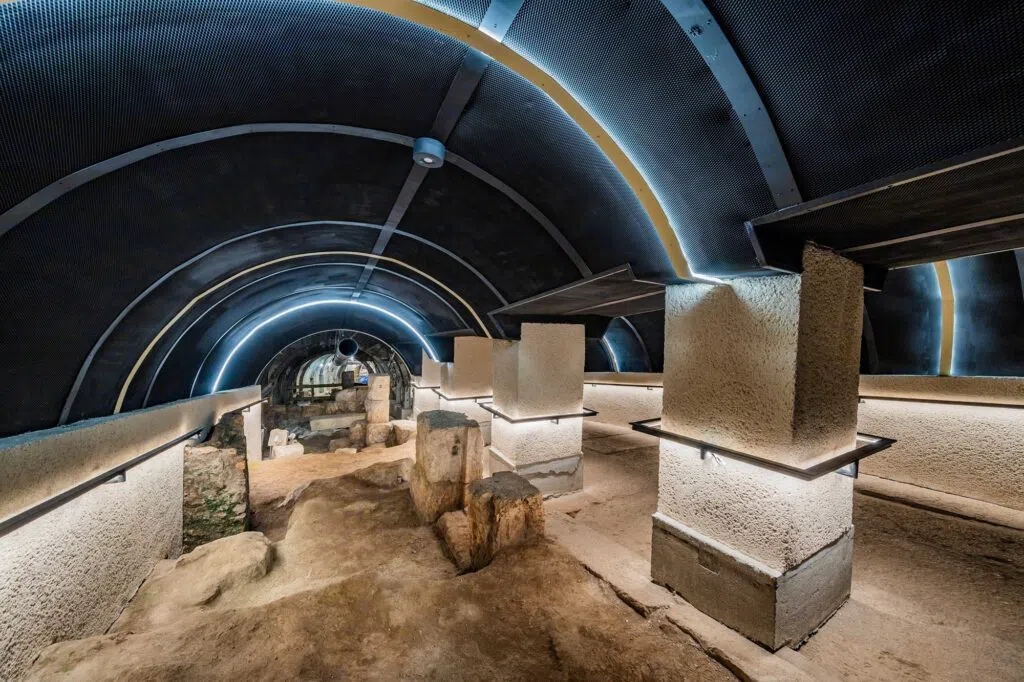
For the deepest layer of all, descend to the City of David & Hezekiah's Tunnel (Silwan, below the Old City), the oldest core of Jerusalem — biblical Jebus and Zion. It is ticketed (around ₪41–45 and up), self-guided or guided, with strong group and booking infrastructure. The signature experience is wading Hezekiah's 500-metre water tunnel by torchlight; bring water shoes and a torch, and know that a dry parallel tunnel exists for anyone claustrophobic or travelling with children who would rather stay out of the water. It is a genuinely one-of-a-kind piece of sacred geography, best in the morning before the school groups.
Beyond the walls: olives and a quiet garden
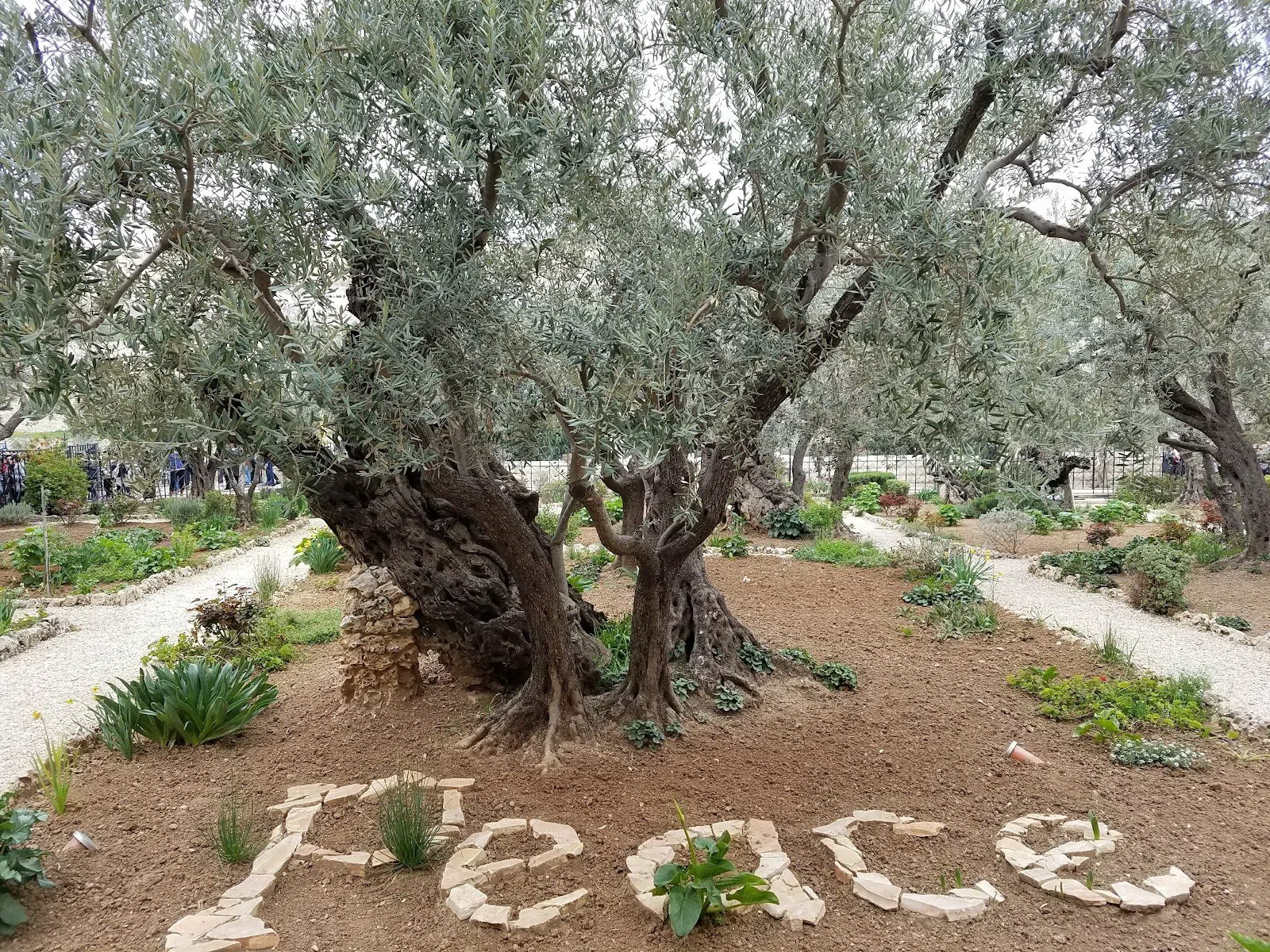
Cross the Kidron Valley for the Garden of Gethsemane & Church of All Nations (Mount of Olives), the Gospel site of Jesus's night of prayer and arrest, where the olive trees have been radiocarbon-dated to 900 years and more. Entry is free, open daily roughly 8:00–12:00 and 14:00–17:00, but it fills with buses after 10am — go early. Pair it with the panoramic Mount of Olives viewpoint just above for the classic image of the golden dome over the Old City, and give the ancient trees the stillness they deserve rather than treating them as a photo prop.
North of the walls, outside Damascus Gate, the Garden Tomb (East Jerusalem) is the tranquil Protestant alternative to the Holy Sepulchre as a proposed site of the crucifixion and burial. It is free, with donations welcome, open Monday to Saturday 8:00–12:00 and 14:00–17:30 and closed on Sundays. It is explicitly built around groups — phone ahead to book — and the first 45 minutes of the day are the quiet ones. Its calm garden makes it a favourite for group singing and communion services; couples wanting a peaceful counterpoint to the Old City's intensity will find it here too.
The whole map in one room
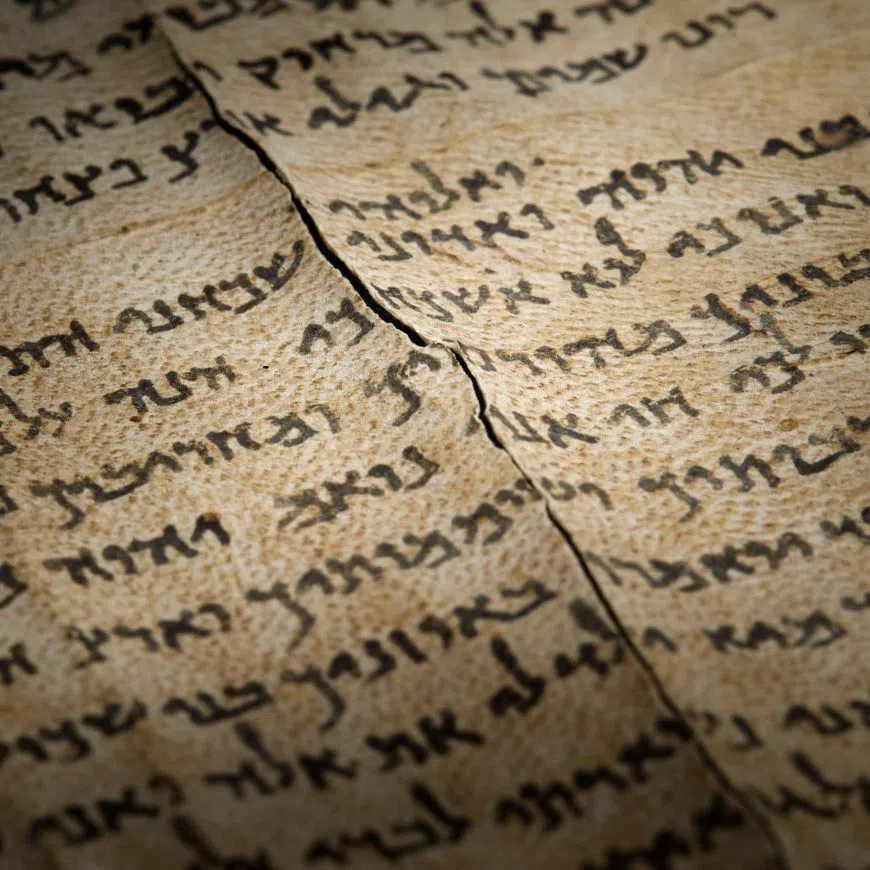
When the density of the Old City becomes too much, the clearest overview is a short ride west. The Israel Museum — Shrine of the Book & Second Temple Model (Givat Ram campus) is ticketed (around ₪54 and up), with a full guided-tour and group programme. The Shrine of the Book holds the Dead Sea Scrolls, and beside it a vast outdoor scale model reconstructs the city as it stood before the Second Temple's destruction. Standing over that model, you finally see the ancient sacred geography whole — every site in this guide slotted into one map — and you can do it in air and space, well away from the Old City crowds. It is the ideal first-day context stop or last-day synthesis.
Practical notes
Timing and Shabbat. The rhythm of the week rules everything here. From Friday sunset to Saturday nightfall many Jewish sites pause — the Western Wall Tunnels close for Shabbat and festivals, and the Temple Mount is off-limits to non-Muslims on Friday and Saturday. Fridays bring the 3pm Franciscan procession along the Via Dolorosa; Sundays close the Garden Tomb. Churches generally open in the morning and shut for a long lunch, so front-load your day: holy sites at dawn, museums and viewpoints in the afternoon.
Getting around. The Old City is entirely pedestrian; you enter through named gates (Jaffa, Damascus, Lions', Zion, Dung) and walk everywhere inside. Jerusalem's light rail and buses connect the gates to the newer city and out to Givat Ram for the Israel Museum. Wear real shoes — the stone is uneven, worn slick, and relentlessly up and down.
Cash and cost. Prices are in Israeli shekels (₪). Card is fine in museums and larger sites, but the Old City's stalls, small entry fees and street food run on cash, so carry small notes. The good news for any budget: the greatest sites — the Holy Sepulchre, the Western Wall, the Via Dolorosa, Gethsemane, the Garden Tomb, the Cenacle — are free. Your spending goes on the ticketed depth stops: the Tower of David (~₪40), the Western Wall Tunnels (~₪35–45), the City of David (~₪41–45), the Israel Museum (~₪54), and small fees at the Ramparts Walk, St. Anne's and the Redeemer tower.
Dress and conduct. Shoulders and knees covered at every religious site; head-coverings at the Western Wall (free for men) and strict modest dress on the Temple Mount. These are places of prayer first and sights second — keep your voice down, ask before photographing people, and step aside for worshippers.
For where to base yourself — inside the walls for atmosphere, or in the newer city for space and quiet — start with a Jerusalem hotel search, and for neighbourhoods, food and getting oriented, see the wider Jerusalem guide. Come early, walk slowly, and let the shared stone teach you how a city can be holy to everyone at once.
Before you go
Do I need a ticket for the Church of the Holy Sepulchre, and when is it least crowded?
Entry is free and no ticket is required — it welcomes all faiths and tour groups. It gets very crowded, so arrive before 8am to reach the tomb and Calvary before the coach parties. Cover shoulders and knees, and keep quiet near worshippers.
Can non-Muslims visit the Temple Mount / Haram al-Sharif?
Yes, but only via the Mughrabi Bridge ramp during set morning and early-afternoon windows Sunday to Thursday — never Friday or Saturday. Entry is free, strict modest dress is enforced, and non-Muslims cannot go inside the Dome of the Rock or Al-Aqsa. Hours shift with prayer times, so check the same day.
How far ahead should I book the Western Wall Tunnels?
Book about two months ahead. The tunnels are guided-only by advance reservation, cost roughly ₪35–45, run groups up to 35 (minimum 18 for an independent group), and close on Shabbat and festivals.
What should I wear to Jerusalem's holy sites?
Cover shoulders and knees everywhere. The Western Wall provides free head-coverings for men and has separate men's and women's sections; the Temple Mount enforces strict modest dress. These are active places of prayer, so dress and behave accordingly.
Is Hezekiah's Tunnel at the City of David suitable if I'm claustrophobic or travelling with kids?
There's a dry option. The wet route wades roughly 500 metres by torchlight (bring water shoes and a torch), but a dry parallel tunnel runs alongside for anyone claustrophobic or with young children. The site is ticketed at around ₪41–45 and has strong group and booking infrastructure.