
Jerusalem
Jerusalem does not ease you in.
Guests & rooms
The Jerusalem guide
An insider’s read on Jerusalem
JJerusalem does not ease you in.
Jerusalem's identity is carved from its golden limestone, a material mandated by law for all facades since the British Mandate. This gives the city a unified, timeless appearance that belies its fractured history. Conquered, destroyed, and rebuilt dozens of times, it remains a patchwork of distinct quarters and neighborhoods. The character here is serious, spiritual, and occasionally exhausting. The city looks inward, focusing on tradition, memory, and the weight of its sacred geography.

PLATE IJerusalem, Israel

Guides & ideas
The Jerusalem reading list
Hand-written guides from our editors — itineraries, the best of after dark, where to eat, and what’s genuinely worth your time.
The Tram That Crosses Jerusalem's Fault Line
Jerusalem's only light rail line runs the length of the city's oldest arguments in under an hour, and riding it end to end is the calmest, cheapest way to actually see the whole place.
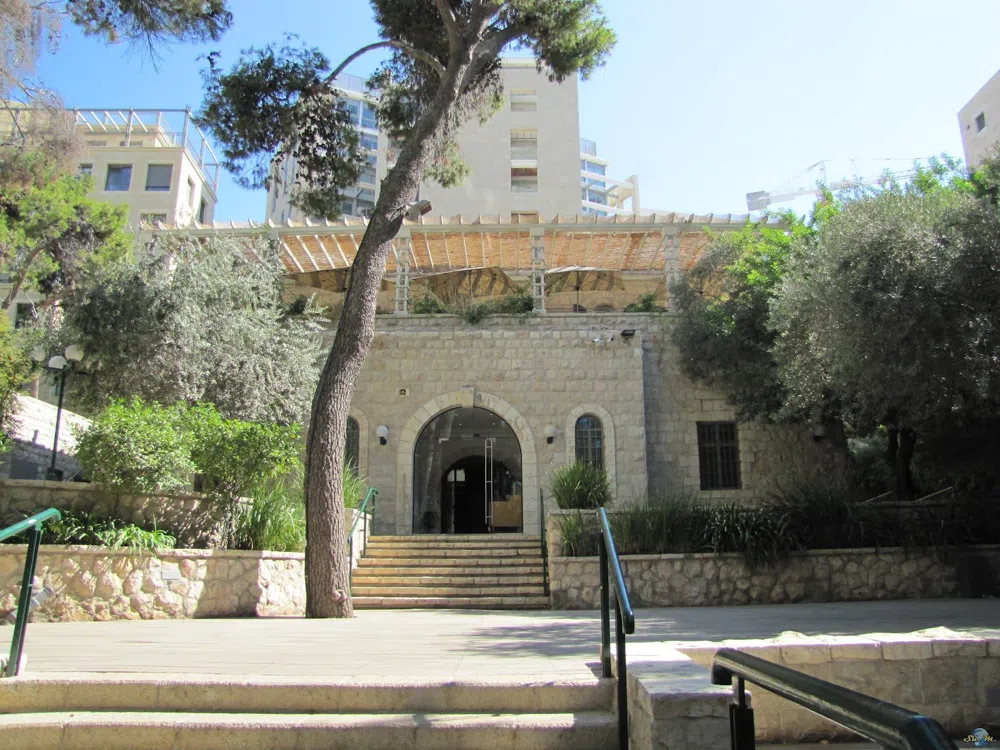
The Garden Where Mandate Jerusalem Argued Over Coffee
A walled garden behind an ophthalmologist's clinic once gathered the painters, poets and officials who shaped Mandate-era Jerusalem — and the houses, bars, cafés and archives nearby still trace that circle today.
One Square Kilometre, Four Worlds: Walking Jerusalem's Old City Quarters
A calm, hour-by-hour guide to walking the Old City's Jewish, Muslim, Christian and Armenian quarters — with honest door policies, prayer-time realities and what actually suits couples versus groups in 2026.
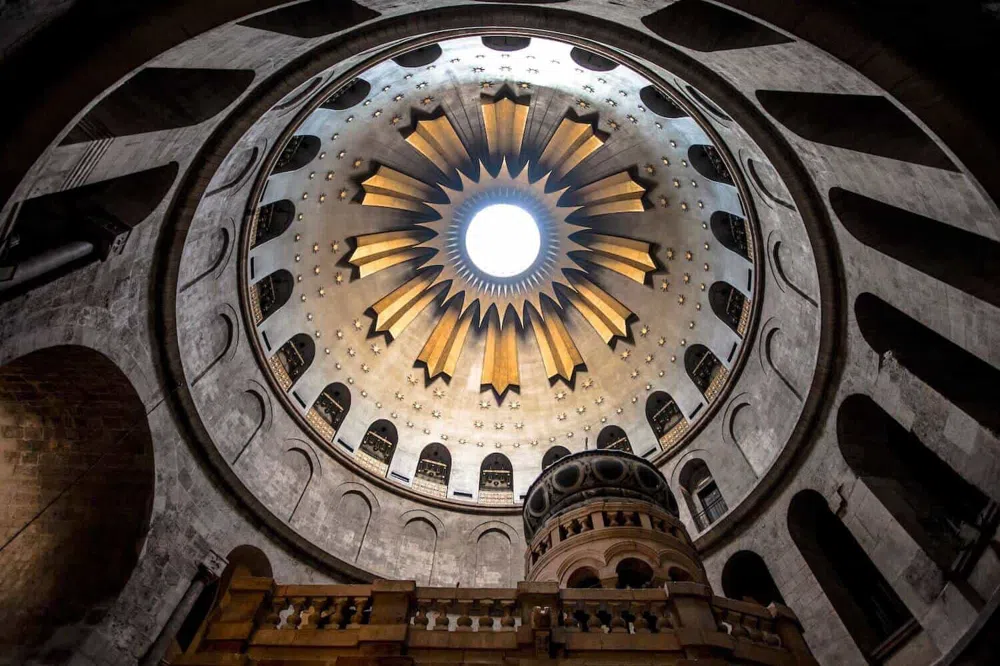
The Shared Stone: Inside Jerusalem's Holy Sepulchre and the City's Oldest Contest
A calm, early-rising walk through the holiest few hundred metres on earth — where six denominations, three faiths and three thousand years share the same worn limestone, and how to see it with respect and good timing.
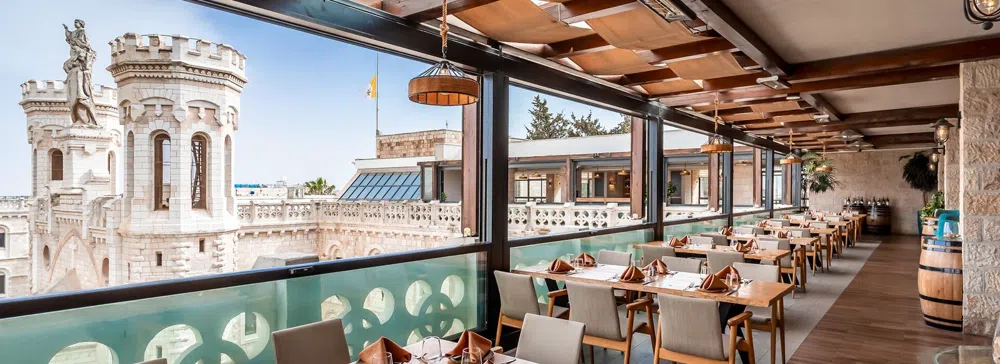
Jerusalem From Above: The Rooftops That Explain the City
Ten terraces, bars and café roofs — from a ₪5 Old City parapet to a Waldorf cocktail deck — and exactly how to time, book and read each one.

Two Markets, One Lane: Jerusalem's Mahane Yehuda by Day and After Dark
How the same covered lanes of Jerusalem's great shuk shift from Iraqi kubbeh at noon to craft beer and Sephardic hookah by midnight — and exactly where to eat, drink, and book.
Where to base yourself
The neighborhoods
01
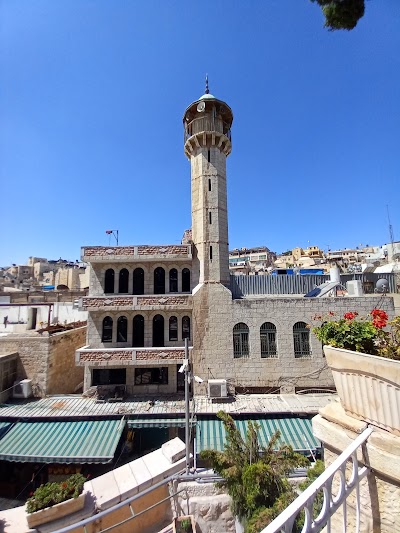
Old City
For History and religion enthusiasts. The trade-off is extreme crowds, aggressive vendors, and a complete lack of modern vehicular access.
A dense, walled labyrinth divided into Jewish, Christian, Muslim, and Armenian quarters, each with its own distinct atmosphere, smells, and rhythms.
Where to stay — Mostly basic guesthouses and historic religious hospices. Best for those wanting to wake up inside the ancient walls.
02
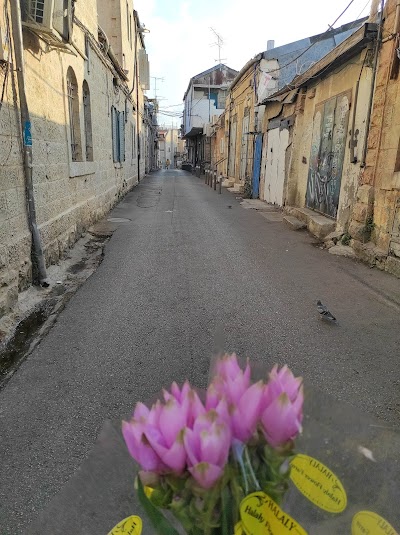
Nachlaot
For Creative travelers and those wanting a local, bohemian vibe. Trade-off: Very narrow streets, no parking, and older, sometimes drafty apartments.
A maze of narrow, quiet stone lanes, hidden courtyards, and small synagogues, bordering the Mahane Yehuda Market.
Where to stay — Boutique vacation rentals and small guesthouses.
03
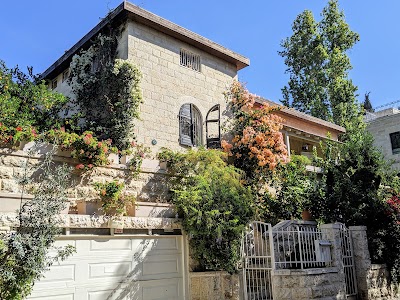
German Colony
For Families and travelers seeking a quieter, affluent residential base. Trade-off: Farther from the Old City and lacks direct light rail access.
Upscale, leafy, and relaxed, centered around Emek Refaim Street with its Ottoman-era and Templer-style architecture.
Where to stay — Mid-range to luxury boutique hotels.
04
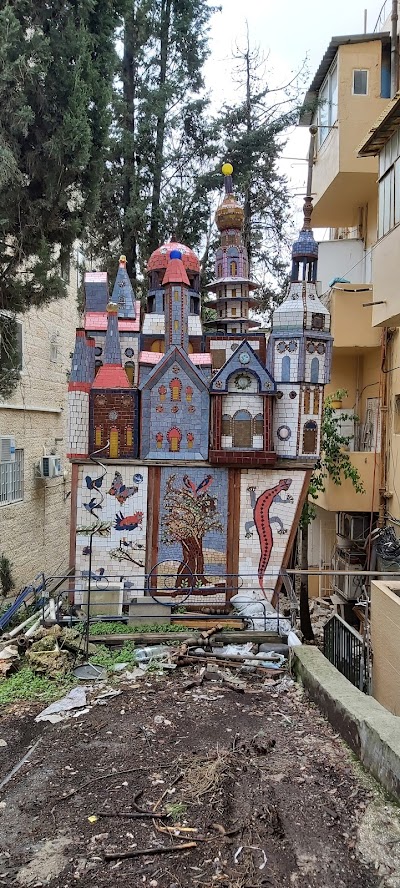
Rehavia
For Travelers seeking quiet elegance and proximity to major museums. Trade-off: Very quiet at night with few dining options.
An affluent, quiet residential neighborhood characterized by Bauhaus architecture, leafy streets, and a scholarly, upscale vibe.
Where to stay — Upscale apartments and boutique hotels.
05
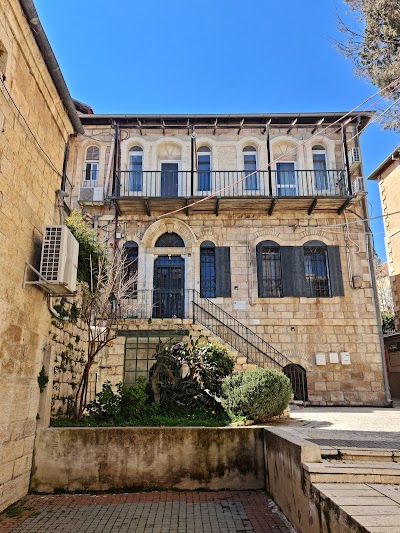
Musrara
For Art lovers and those interested in the city's complex social history. Trade-off: Can feel politically tense due to its border location.
A historic seam-line neighborhood with beautiful 19th-century stone villas, sitting right between East and West Jerusalem.
Where to stay — Limited options; mostly high-end boutique properties or vacation rentals.
06
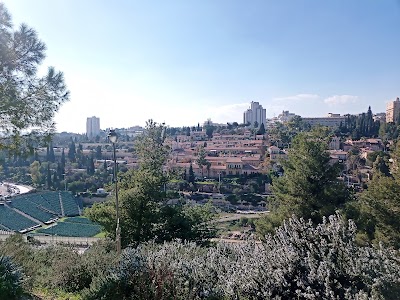
Yemin Moshe
For Photographers and those seeking quiet luxury. Trade-off: Entirely pedestrian with steep steps; no shops or restaurants within the neighborhood itself.
A meticulously restored 19th-century neighborhood of stone cottages, blooming bougainvillea, and paved pedestrian lanes overlooking Mount Zion.
Where to stay — High-end rentals or nearby luxury hotels like the King David.
07
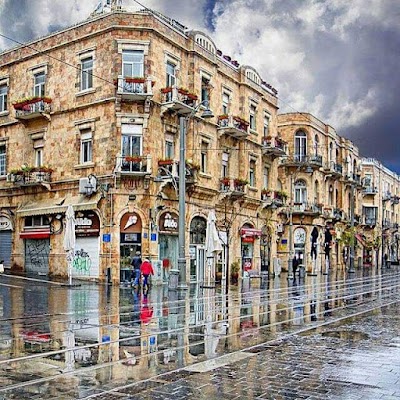
Downtown Triangle
For First-time visitors wanting maximum convenience and transit access. Trade-off: Noisy, highly commercialized, and lacks historic charm.
The commercial heart of West Jerusalem, bustling with street performers, cafes, light rail trains, and shoppers.
Where to stay — Mid-range hotels, hostels, and modern apartments.
08
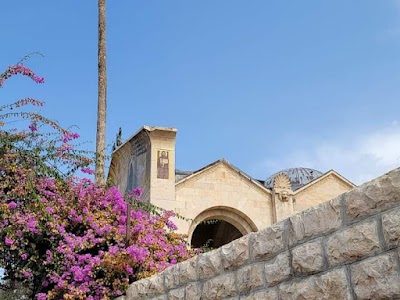
East Jerusalem
For Travelers seeking an authentic Arab-Levantine atmosphere and excellent Middle Eastern food. Trade-off: Can experience sudden political demonstrations and security closures.
The bustling Palestinian commercial and cultural center north of the Old City, filled with bookshops, spice markets, and historic hotels.
Where to stay — Historic landmark hotels like the American Colony.
Book direct
Book a hotel in Jerusalem
Loading live availability and real-time prices…
Where to eat
Dining
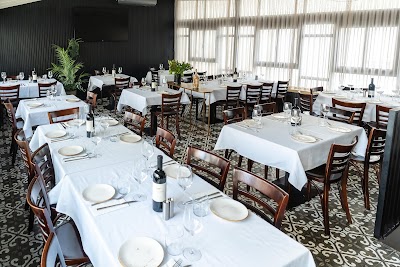
Dolphin Yam
€€€Downtown
A long-standing institution known for reliable Mediterranean seafood in a relaxed, unpretentious setting.
Signature — Seafood paella
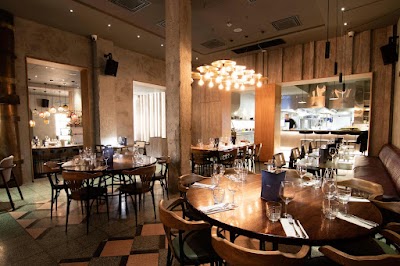
Jacko's Street
€€€Mahane Yehuda
A lively, kosher kitchen serving creative fish dishes alongside meats in a high-energy market atmosphere.
Signature — Red tuna bruschetta with truffles
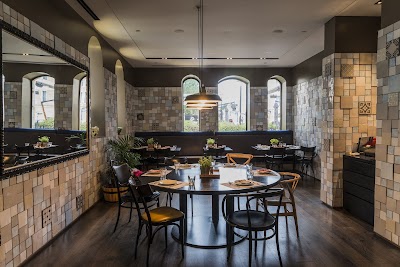
Happy Fish
€€€Mamilla
An upscale terrace restaurant specializing in fresh Mediterranean fish cooked with local olive oil and herbs.
Signature — Whole grilled sea bass
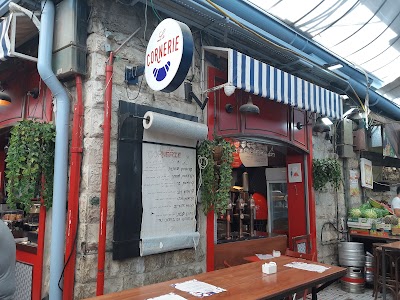
Machneyuda
€€€€Mahane Yehuda
The city's most famous culinary hotspot, offering a chaotic, high-energy open kitchen serving creative, meat-heavy market cuisine.
Signature — Shikshukit (deconstructed kebab with tahini and amba)
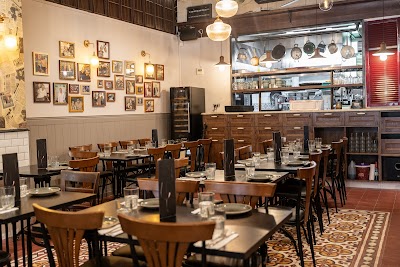
Hatzot
€€Near Mahane Yehuda
The legendary birthplace of the Jerusalem Mixed Grill, serving spiced offal and meats since 1970.
Signature — Jerusalem Mixed Grill in pita
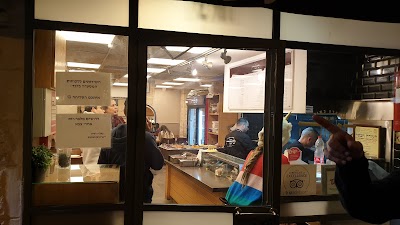
Sima
€€Agripas Street
A classic, no-frills grill house famous for its perfectly spiced skewers and traditional Middle Eastern salads.
Signature — Lamb skewers with grilled onions
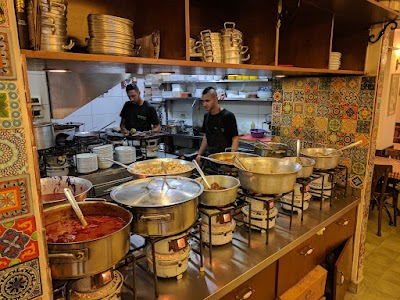
Azura
€€Mahane Yehuda
A legendary slow-cooked Iraqi-Kurdish institution tucked inside the market, serving rich stews from kerosene burners.
Signature — Turkish eggplant stuffed with ground beef and cinnamon
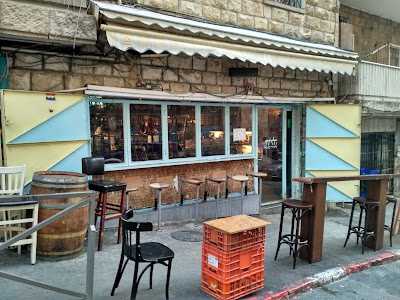
Yudale
€€€Mahane Yehuda
The intimate, tapas-style sister bar to Machneyuda, offering small, inventive plates and a rowdy bar-side dining experience.
Signature — Polenta in a jar with mushrooms and truffle oil
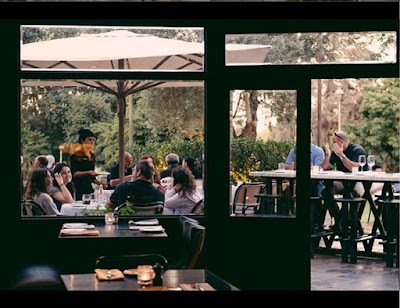
Chakra
€€€€King George Street
A sophisticated local favorite serving Mediterranean small plates, fresh pasta, and seafood in a lively, stylish room.
Signature — Roasted beetroot with goat cheese and hand-torn focaccia
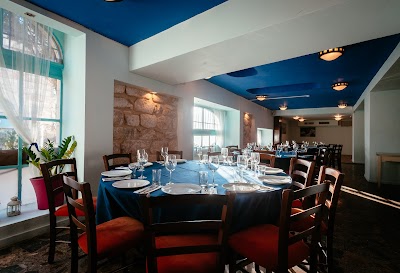
The Eucalyptus
€€€€Near the Old City
Chef Moshe Basson serves biblical-inspired cuisine using wild herbs and ancient ingredients mentioned in the Torah.
Signature — Makloubah (upside-down chicken, rice, and vegetable pot)
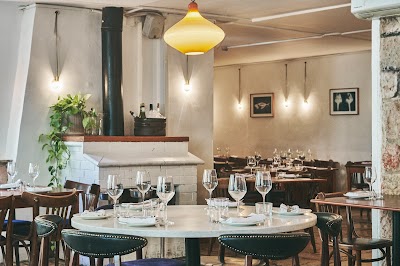
Mona
€€€€Shmuel Hanagid Street
Set in the historic Artists' House, this romantic, non-kosher restaurant offers exceptional, refined European-Mediterranean cuisine.
Signature — Beef tartar with raw tahini and pine nuts

1870
€€€€Mamilla
Elegant fine dining set in a 300-year-old stone building, offering modern, kosher interpretations of classic French and Mediterranean techniques.
Signature — Slow-cooked lamb neck with root vegetables
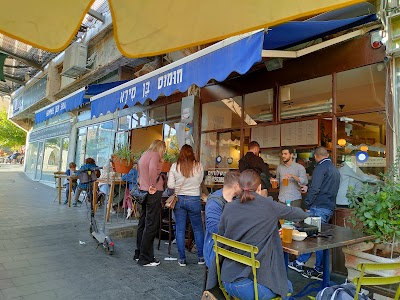
Hummus Ben Sira
€Downtown
A cozy, late-night hummus joint serving warm, freshly ground chickpeas alongside cold beer.
Signature — Hummus with fried mushrooms
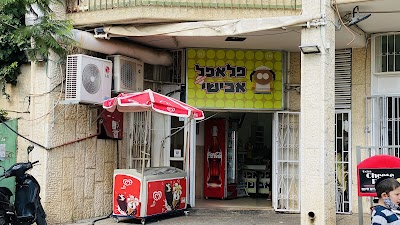
Aris Falafel
€Old City (Christian Quarter)
A tiny, historic stall serving exceptionally crispy, green-hearted falafel in warm pita.
Signature — Falafel with pickled turnip and tahini
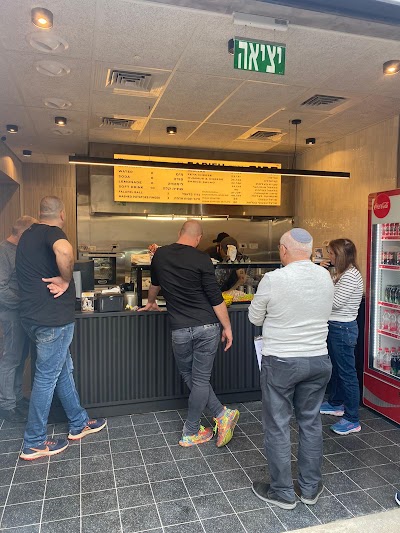
Sabich Frishman
€Jaffa Road
A bustling spot serving the classic Iraqi-Jewish sandwich of fried eggplant, hard-boiled egg, potato, and amba.
Signature — Sabich with extra amba and tahini
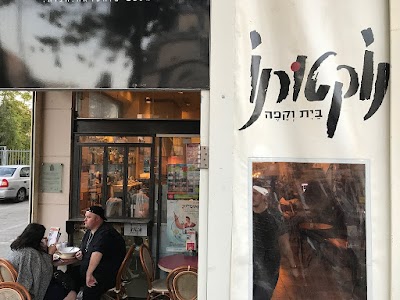
Nocturno
€€Near Nachlaot
A trendy cafe by day and cultural hub by night, offering an extensive, creative vegetarian and vegan menu.
Signature — Vegan shakshuka with tofu and spinach
After dark
Nightlife
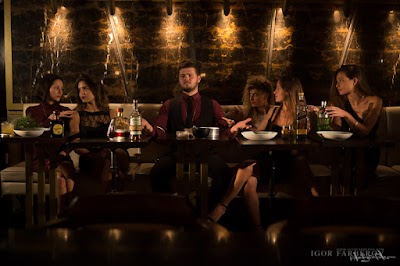
Gatsby
Hillel Street
A speakeasy-style club and cocktail lounge that transitions into a lively dance floor later in the evening.
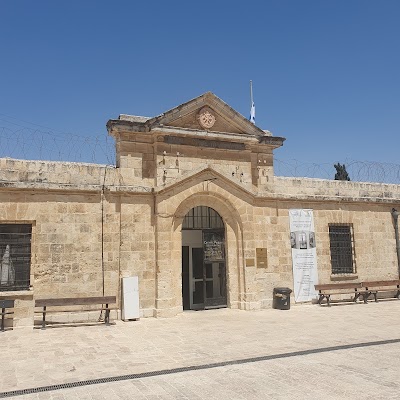
The Underground
Downtown
A dark, basement club hosting local techno and house DJs for a dedicated late-night crowd.
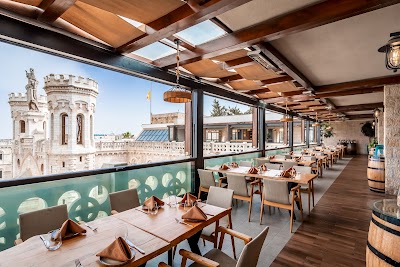
Notre Dame Rooftop Restaurant
Christian Quarter
Located on the roof of the Notre Dame Center, offering unparalleled panoramic views of the Old City alongside wine and cheese.
Gatsby Cocktail Room
Hillel Street
A hidden speakeasy accessed through a secret bookcase, serving some of the most creative, artisanal cocktails in Israel.
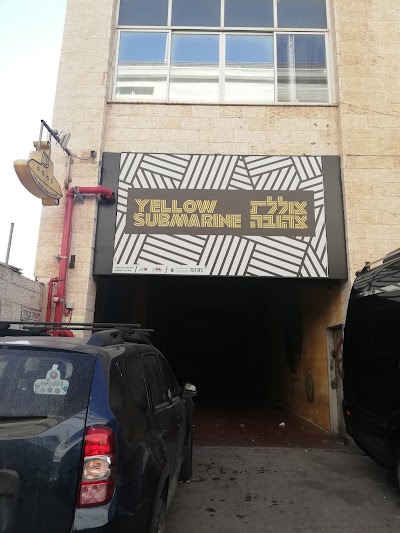
Yellow Submarine
Talpiot
The legendary heart of Jerusalem's indie and jazz scene, hosting established local bands and international touring acts.
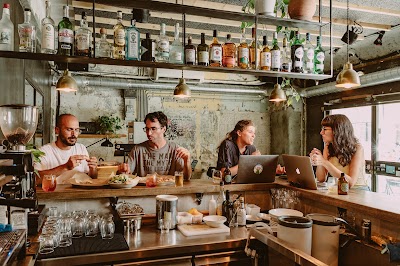
Mazkeka
Downtown
An experimental music hub and community space hosting avant-garde electronics, noise rock, and indie acts.
Art & history
Culture
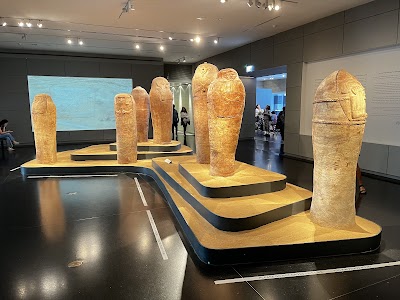
The Israel Museum
Givat Ram
The country's premier cultural institution, housing the Dead Sea Scrolls in the Shrine of the Book and a massive collection of fine arts and archaeology.
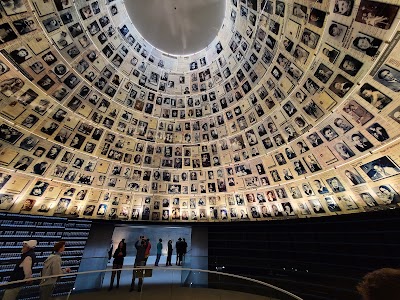
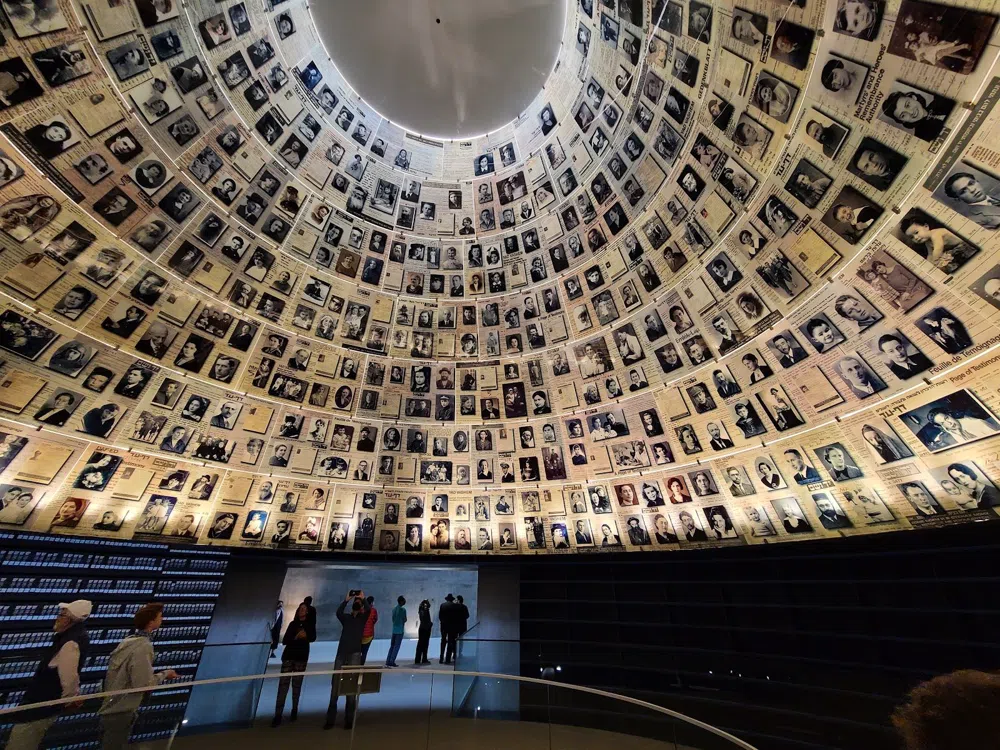
Yad Vashem
Mount Herzl
The World Holocaust Remembrance Center, a deeply moving and architecturally stunning memorial and museum.
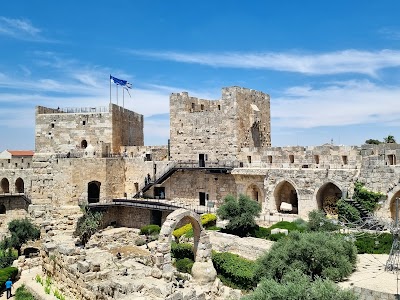
Tower of David Museum
Jaffa Gate
Located in the ancient citadel, this museum tells the comprehensive history of Jerusalem using state-of-the-art interactive exhibits.
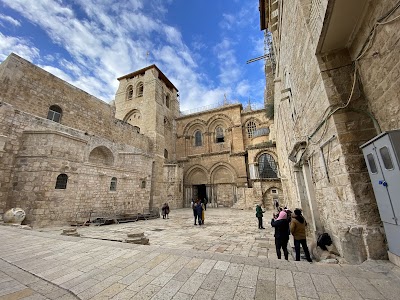
Church of the Holy Sepulchre
Christian Quarter
The most sacred site in Christendom, containing the empty tomb of Jesus and Golgotha, housed in a complex Crusader-era structure.
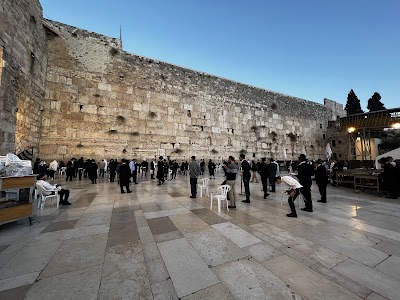
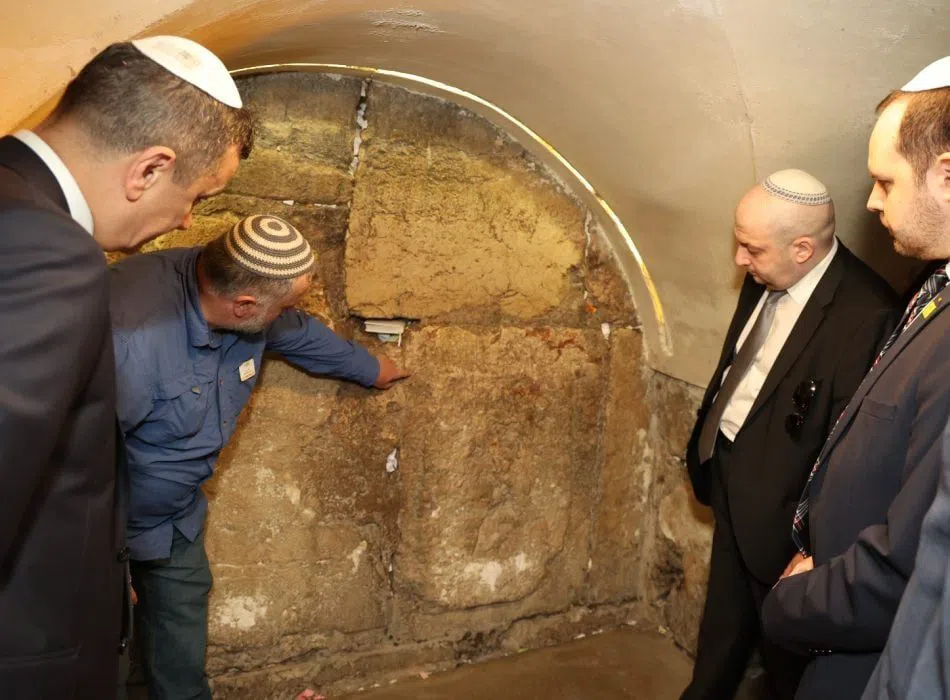
Western Wall (Kotel)
Jewish Quarter
The last remaining retaining wall of the Second Temple, serving as the most sacred site for Jewish prayer.
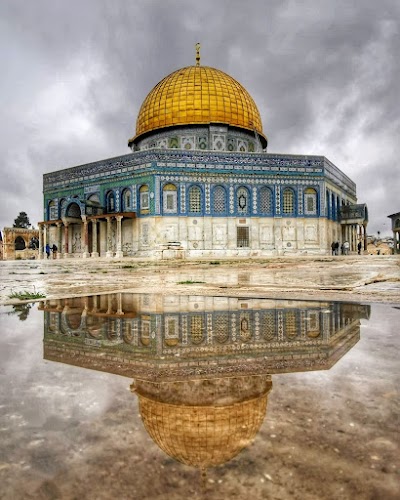
Dome of the Rock & Al-Aqsa Mosque
Temple Mount
The iconic golden-domed shrine and historic mosque, representing the third-holiest site in Islam.
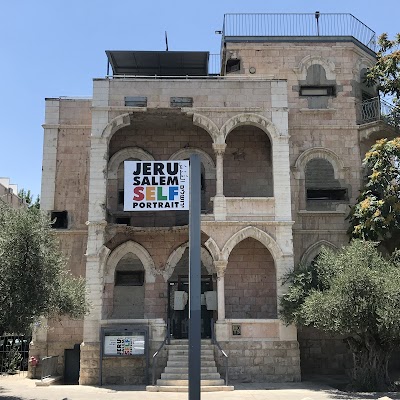
Museum on the Seam
Musrara
A socio-political contemporary art museum located in a bullet-scarred former military outpost on the old border between East and West Jerusalem.
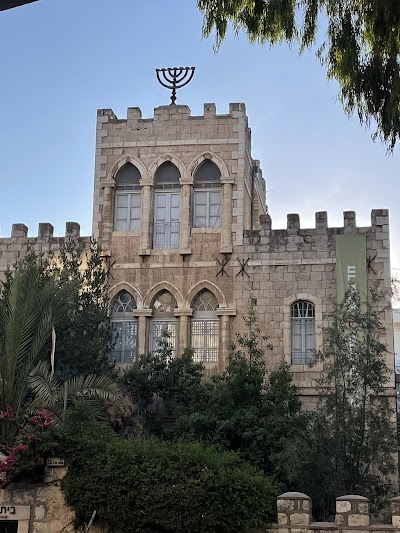
Jerusalem Artists' House
Shmuel Hanagid Street
A historic building showcasing contemporary Israeli art, photography, and sculpture across multiple exhibition spaces.
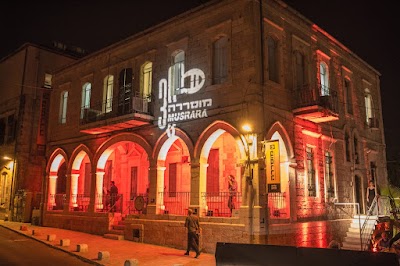
The New Gallery Musrara
Musrara
An independent gallery focusing on experimental photography, new media, and social activism in art.
Book ahead
Top-rated experiences in Jerusalem

Best seller! Jerusalem old city four quarters tour
from $500

Private Tour Jerusalem Old City
from $500

JERUSALEM private tour with ELAD VAZANA - Life in Israel & Palestine Then & Now
from $450

Morning Private Tour to Discover Jerusalem
from $354

Bethlehem Half Day Private Tour - Pick up from Jerusalem/Tel Aviv/Ashdod
from $350

Full-Day Private and Guided Tour of the Jerusalem's Old City
from $870

Biblical tours
from $1200

Full Day Private Christian Tour in Jerusalem with Tour Guide
from $750
Prices from Viator; we may earn a commission when you book — at no extra cost to you. Tours are sold and operated by Viator, the merchant of record. Ratings are collected by Viator and Tripadvisor.
Timing
When to visit
Spring
Mild weather and blooming hillsides make this an ideal time to visit, though major holidays like Passover and Easter bring massive crowds and high prices.
Autumn
Pleasant temperatures and clear mountain air define this season, but the city is heavily impacted by the High Holidays when Jewish districts shut down completely.
Summer
Hot and dry during the day, though evenings in the mountains are pleasantly cool. This is the peak tourist season with high accommodation rates.
Winter
Surprisingly cold, damp, and occasionally snowy. This is the best time to avoid crowds if you do not mind rain and chilly winds.
What it costs
Budgeting
Logistics
Getting around
From the airport
The high-speed train from Ben Gurion Airport to Yitzhak Navon Station is the fastest option, taking under 25 minutes. Shared taxis (sheruts) and private taxis are available 24/7, including on Shabbat.
Public transit
The Jerusalem Light Rail (LRT) is highly efficient, running along a single main artery from Mount Herzl to Pisgat Ze'ev, passing the central bus station and the Old City. Egged buses cover the rest of the city, but note that Jewish public transit stops entirely from Friday afternoon to Saturday evening.
Passes & tickets
The Rav-Kav smart card is essential for all public transit. You can load it with anonymous rides or daily passes (€-€€).
On foot
The Old City is entirely pedestrian but highly challenging, with steep stone steps, slippery flagstones, and confusing alleyways. Modern Jerusalem is hilly but walkable if you have good stamina.
Travel smart
Safety & etiquette
Local etiquette
- •Dress modestly when visiting any religious site: shoulders and knees must be covered for both men and women; married women may need to cover their hair in Jewish orthodox areas, and shoes must be removed in mosques.
- •Respect the Shabbat: in Jewish West Jerusalem, shops, restaurants, and public transit close from Friday afternoon until Saturday evening. Avoid driving cars into ultra-Orthodox neighborhoods like Mea Shearim during this time.
- •Always ask permission before taking photos of people, particularly ultra-Orthodox Jews, religious pilgrims, and military personnel.
From the ground
Practical tips
1
Buy a Rav-Kav card at Yitzhak Navon train station upon arrival; you cannot pay cash on city buses or the light rail.
2
Wear sturdy, non-slip shoes; the ancient limestone flagstones of the Old City are polished smooth and can be incredibly slippery, even when dry.
3
If visiting the Western Wall tunnels, book your tickets online weeks in advance as slots sell out quickly.
4
Carry a light scarf or shawl in your daypack at all times to quickly meet modesty requirements at religious sites.
5
Avoid eating or drinking publicly in the Muslim Quarter during the daytime during Ramadan out of respect for those fasting.
6
Use the Gett app to hail taxis; it ensures you get a metered ride and avoids fare haggling.
Jerusalem FAQs
Is Jerusalem open on Saturdays?
Only in non-Jewish areas. West Jerusalem completely shuts down for Shabbat, but the Muslim and Christian quarters of the Old City and East Jerusalem remain fully operational.
Can I visit the Temple Mount / Noble Sanctuary?
Yes, but with strict limitations. Non-Muslims can only enter during specific morning and early afternoon hours via the Mughrabi Bridge near the Western Wall, and cannot enter the actual mosques.
How do I get to Bethlehem from Jerusalem?
Take the blue-and-white Arab bus 231 from Damascus Gate. It crosses the checkpoint directly into Bethlehem without requiring a pre-arranged tour.
Is it safe to walk around Jerusalem at night?
Yes, most tourist areas are highly safe. However, exercise caution and stay alert in the Old City's quiet alleyways after dark and along the seam lines between East and West Jerusalem.
Do I need to tip in restaurants?
Yes, tipping is customary. A tip of 10% to 12% is standard for good service in sit-down restaurants, while 15% is considered generous.