 In this area
The Jerusalem issue
German Colony, Jerusalem: Emek Refaim’s leafy dining street and Templer past
A slow, green Jerusalem neighbourhood where Templer stone houses, kosher cafés and an old railway line shape a walkable, Anglo-friendly life.
By Tamar ElbazOld City ramparts to the Israel Museum
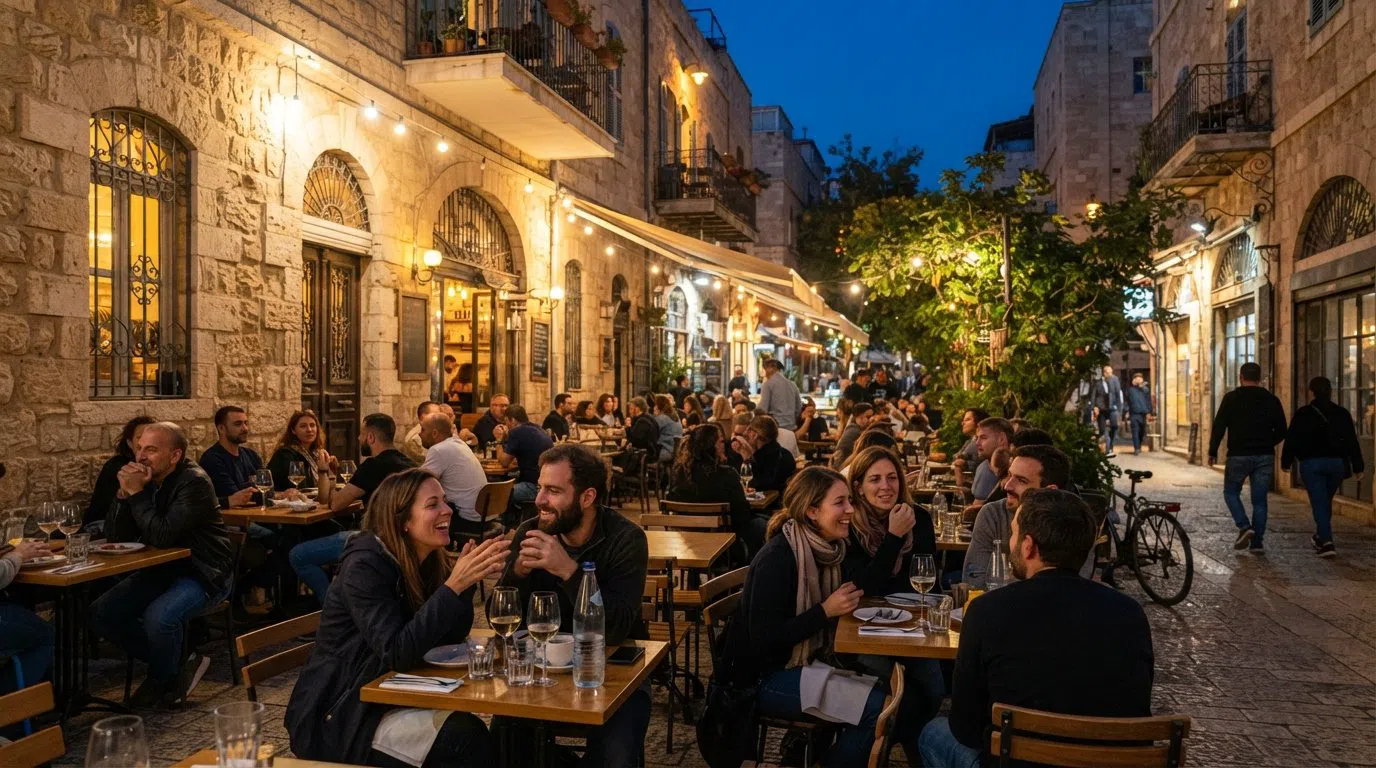
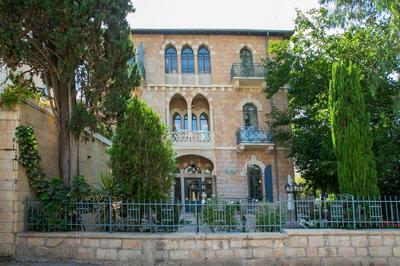
Emek Refaim begins with stone and shade: honey-coloured Templer houses, low and careful, their tiled roofs and shuttered windows still holding the memory of a Swabian street-village laid out in 1873 by German Christian settlers in the Refaim Valley. Today the same spine is Jerusalem at its most strollable and social, a place where lunch can stretch into late afternoon and where the city’s noise seems to have been asked to wait at the curb. The pace is deliberate, the sidewalks busy with prams and English voices, and the old houses have been pulled into a new life as cafés, boutiques and consulates. Even now, with Blue Line construction beginning to bruise the street, the Colony keeps its composure.
What the German Colony is known for
The German Colony is known for architecture and appetite, and here they are inseparable. Emek Refaim — a biblical name the Templers chose on purpose, “Valley of the Giants” — runs like a green seam through the neighbourhood, and on both sides stand the original Templer stone houses, one- and two-storey farmhouses built in the style the settlers knew from Württemberg. They are not decorative nostalgia pieces; they are the real material of the district, restored into the present without losing the old proportions. Some still carry inscriptions above the door, in German or biblical script, and the street-village logic remains legible if you slow down enough to read it. This is not a neighbourhood that performs history from a distance. It lives inside it.
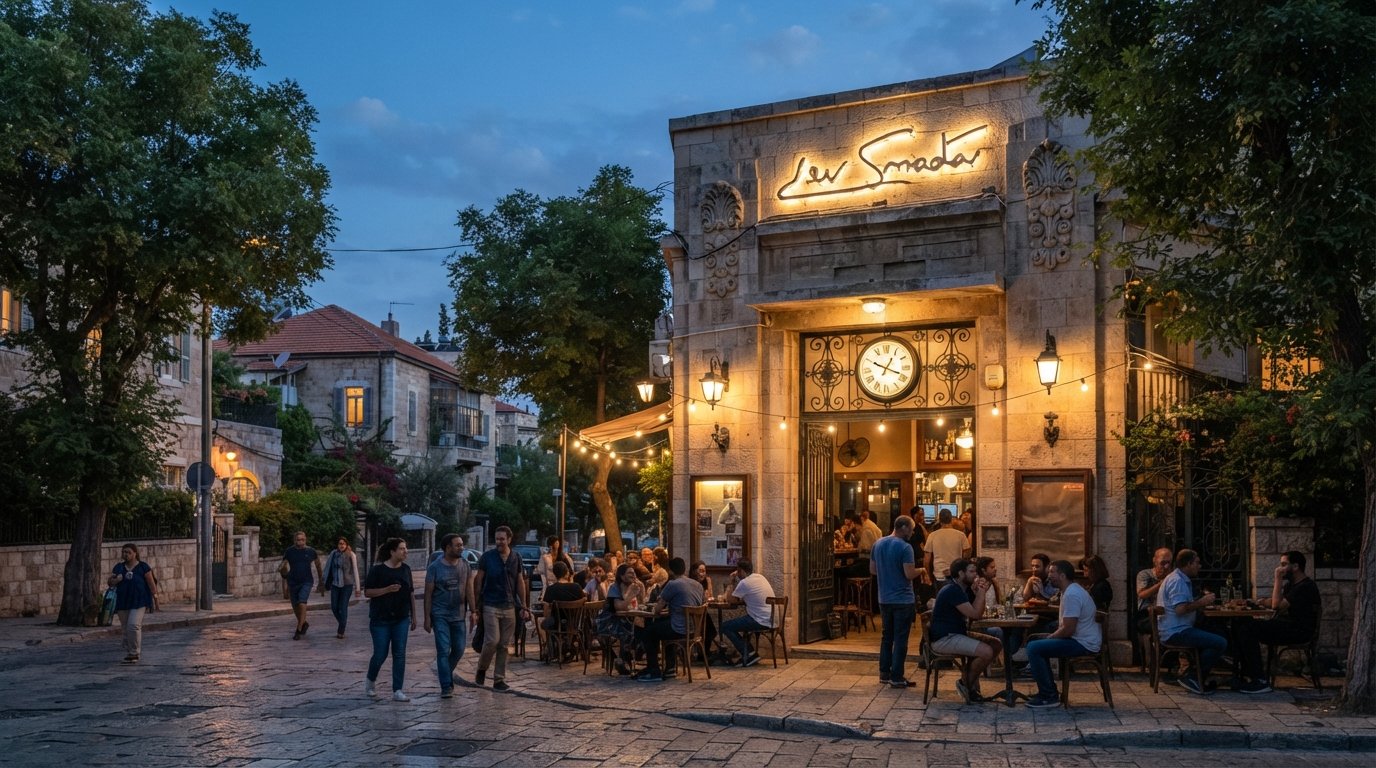
The cross-streets tell another story, one of early Zionist naming and later reinvention: Lloyd George, Émile Zola, Masaryk, Cremieux. The most resonant stop is Lev Smadar Cinema at 4 Lloyd George Street, Jerusalem’s oldest working cinema, open since 1928 and still showing art-house films in an intimate room of about 260 seats, with a café-bar attached. It is one of those rare Jerusalem places that feels both local and slightly enchanted, a room where the city’s cultural life gathers without needing to announce itself.
If you want the neighbourhood in one sentence, it is this: people come here to walk, eat, browse and linger. They come for the tree-lined avenue rather than a monument, for the texture of the street rather than a museum queue. And because the majority of the restaurants are kosher, the rhythm changes sharply for Shabbat. From Friday afternoon to Saturday night, much of Emek Refaim shuts down and the avenue goes eerily quiet, a contrast that can surprise first-timers who have seen it humming on a weekday morning. That silence is part of the Colony’s character too.
Plan your Jerusalem trip
Live prices from our booking partners.
Guests & rooms
Free cancellation on many rooms. We may earn a commission when you book.
Where to eat & drink
This is where the neighbourhood earns its reputation, and it does so without much fuss. Caffit, at 36 Emek Refaim, is the café that helped launch the strip’s food culture in 1987, and it still feels like a local institution rather than a concept. The menu is Jerusalem-Italian: taboon-oven pizzas, pastas, salads, and the long-standing Sweet Potato Oreganato that regulars keep returning for. It has the kind of big indoor-outdoor seating that encourages long, unhurried meals, and the free Wi-Fi only deepens the sense that people are here to settle in.
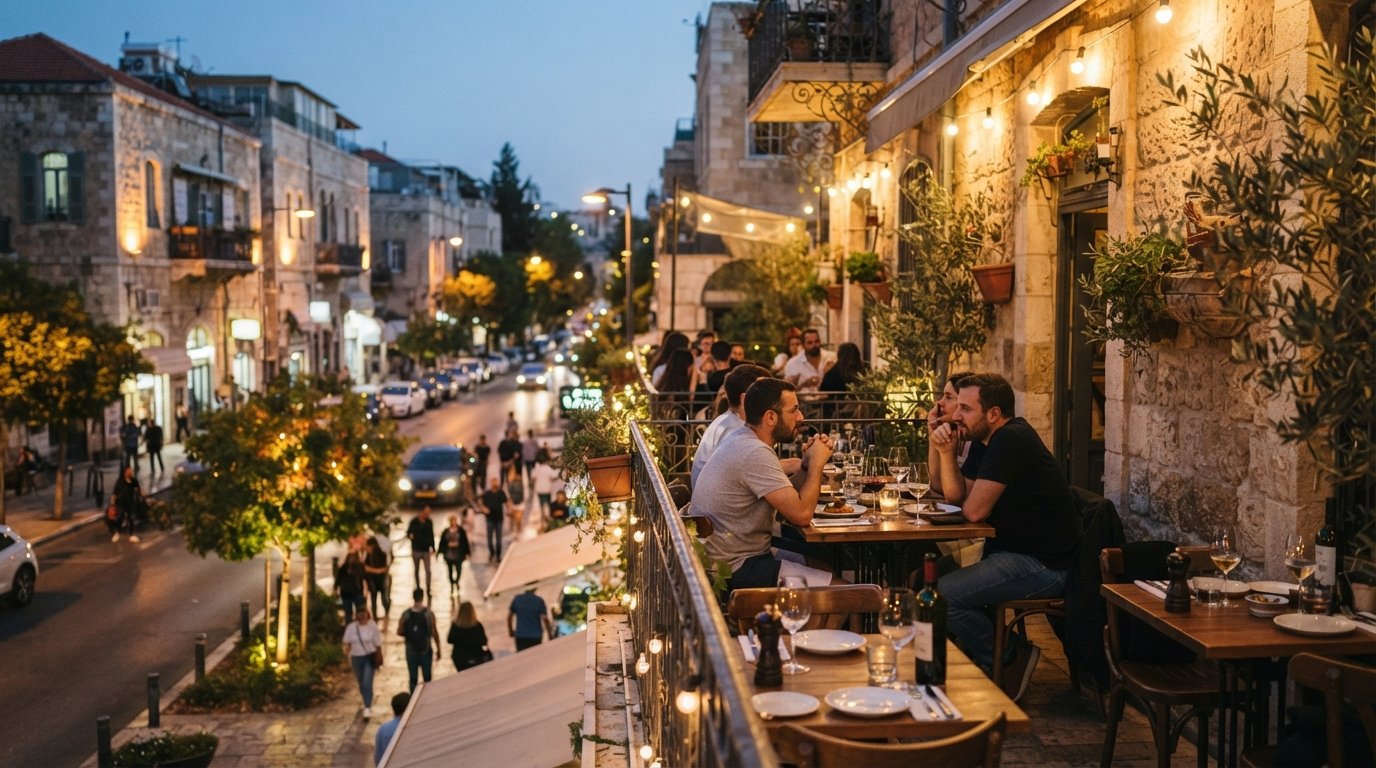
A little further along, Pompidou at 27 Emek Refaim plays the dressier card. It is a kosher-dairy Italian-leaning bistro with two balconies over the street, good bruschette and focacce, and cocktails that make it feel more polished than a standard café stop. The balconies matter here: they turn the street itself into part of the meal, a moving scene of parents, shoppers and evening walkers passing below.
For meat, the strip has its own hierarchy. Bruno is the place many Jerusalemites mention in the same breath as the city’s best meat sandwich: slow-cooked brisket, kebab and schnitzel piled into crisp bread, with only a handful of tables and a strong take-away culture. It is the kind of stop that rewards appetite over ceremony. Joy, by contrast, is plush and seated, a kosher meat restaurant from chef Aviram Dotan, strong on kebabs, steaks and hamburgers. And Focaccia Moshava at 35 Emek Refaim brings the oven to the fore, with eight kinds of taboon-baked focaccia and a huge Friday pre-Shabbat spread sold by weight. If you arrive near the end of the week, it feels like the neighbourhood drawing breath before the closure.
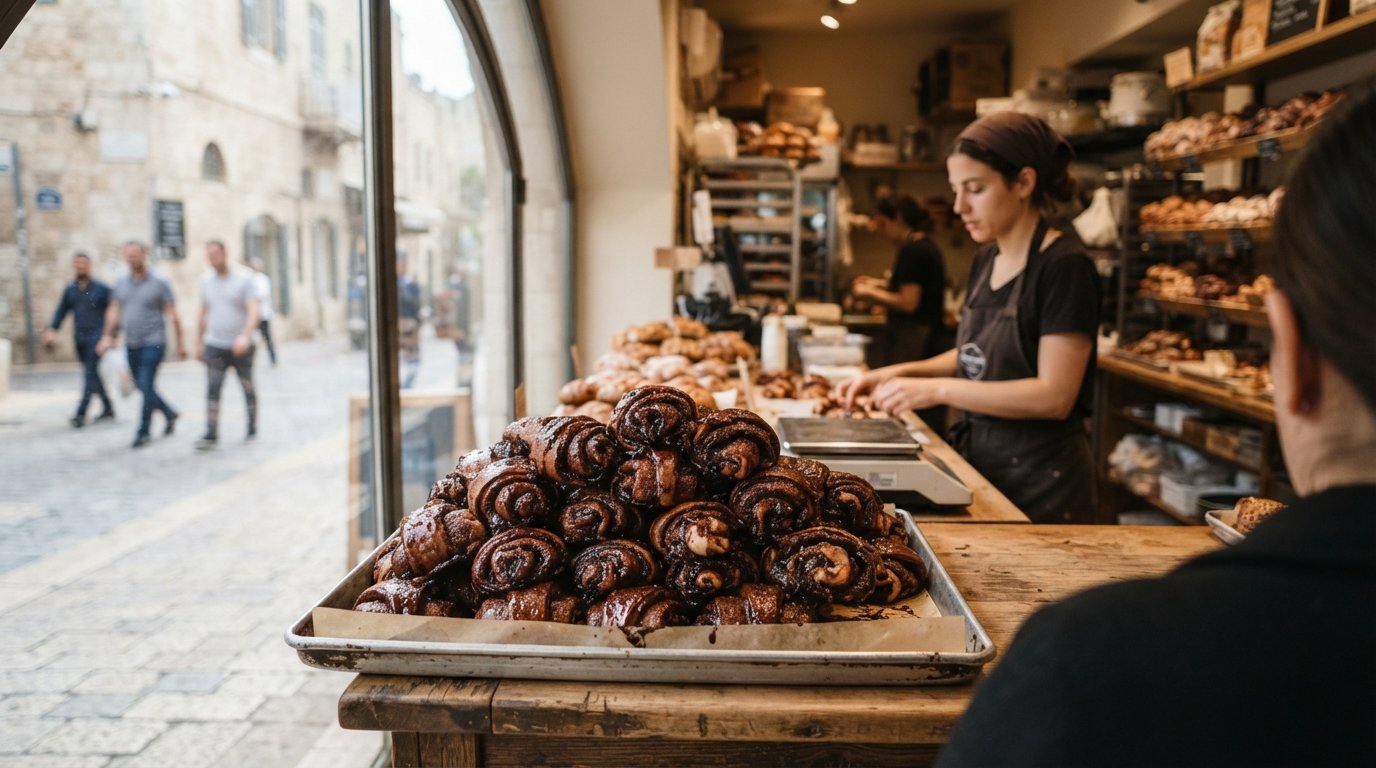
Coffee is practically a local language here. The Coffee Mill at 23 Emek Refaim has been roasting since 1996 and is stacked to the ceiling with single-origin beans, film posters and New Yorker covers. It is cosy, slightly cluttered in the best way, and reliably part of the neighbourhood’s daily pulse. For something sweeter and more iconic, the German Colony branch of Marzipan at 5 Rachel Imenu Street sells the underbaked chocolate rugelach that made the bakery famous. It is a small pleasure with a long afterlife; people buy a box, then another.
A note worth keeping in your pocket: nearly everything here is kosher and certified by the Rabbanut, so the strip divides neatly into dairy and meat houses. That split is part of the neighbourhood’s practical grammar. You do not just choose a restaurant here; you choose a category.
Going out
The German Colony is not a bar-crawl district, and it would be a mistake to pretend otherwise. The evenings are gentler: a glass of wine, a late coffee, perhaps a cocktail, but nothing that resembles the downtown triangle or Mahane Yehuda after dark. That restraint is part of the appeal. The neighbourhood knows what it is good at, and late-night noise is not on the list.
The most reliable evening destination is the First Station at the north end of the street, one of the few places in Jerusalem that stays open on Saturdays and actually feels alive after dark. Its anchor, Adom, is a veteran non-kosher restaurant and wine bar with what is often called the city’s largest wine list — hundreds of Israeli boutique and international labels — alongside fresh fish and chef’s plates. In a mostly kosher district, that makes it unusual; in a city that can feel divided by ritual timetables, it also makes it useful. It keeps the lights on when much of Emek Refaim has gone still.
For something softer, Lev Smadar’s café-bar is a mellow late drink wrapped around the cinema, a place that belongs to the neighbourhood’s cultural life as much as its nightlife. And if all you want is one last quiet cup, The Coffee Mill stays open until midnight most weeknights, which feels almost luxurious here.
If you want actual bars and craft beer, be honest with yourself and take a taxi to Mahane Yehuda or downtown. The Colony is for eating well and staying out of trouble.
Things to do / what to see
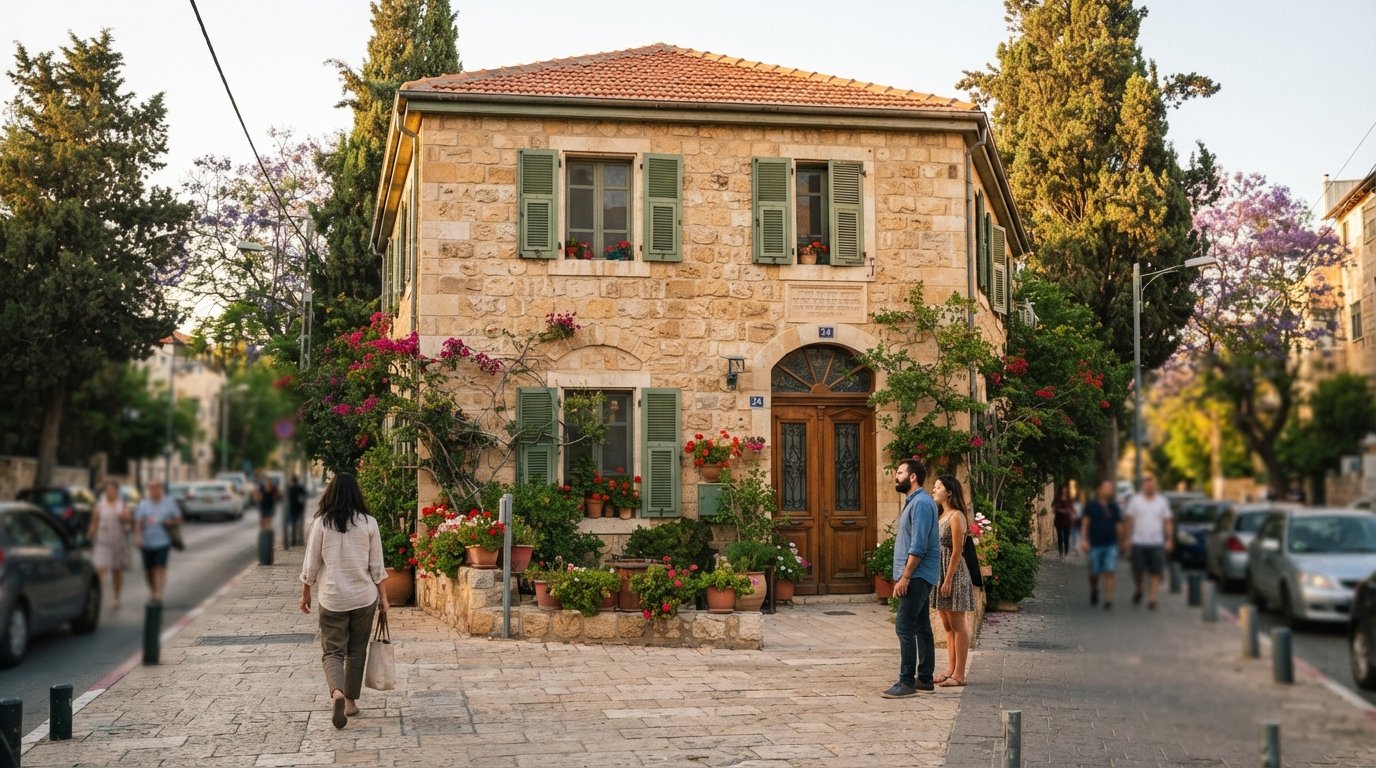
The best thing to do in the German Colony is also the simplest: walk. Walk Emek Refaim slowly enough to read the houses, then turn off onto the quieter side streets and let the neighbourhood reveal itself by degrees. This is a place where the street itself is the attraction. The Templer houses, several with inscriptions in German or Arabic above the door, are the texture of the day. They are low, dignified, and deeply Jerusalem — stone catching the light, roofs angled against weather, shutters giving the façades a human scale that modern streets often lose.
The cultural anchor is the Lev Smadar Cinema at 4 Lloyd George Street. Open since 1928, it is the oldest working cinema in Jerusalem, an intimate art-house house showing indie, foreign and off-beat films, with a café-bar that doubles as a neighbourhood hangout and, unusually, opens on Shabbat. It is a lovely place to understand the Colony’s temperament: cultured, unshowy, a little old-world, and still useful in the everyday sense.
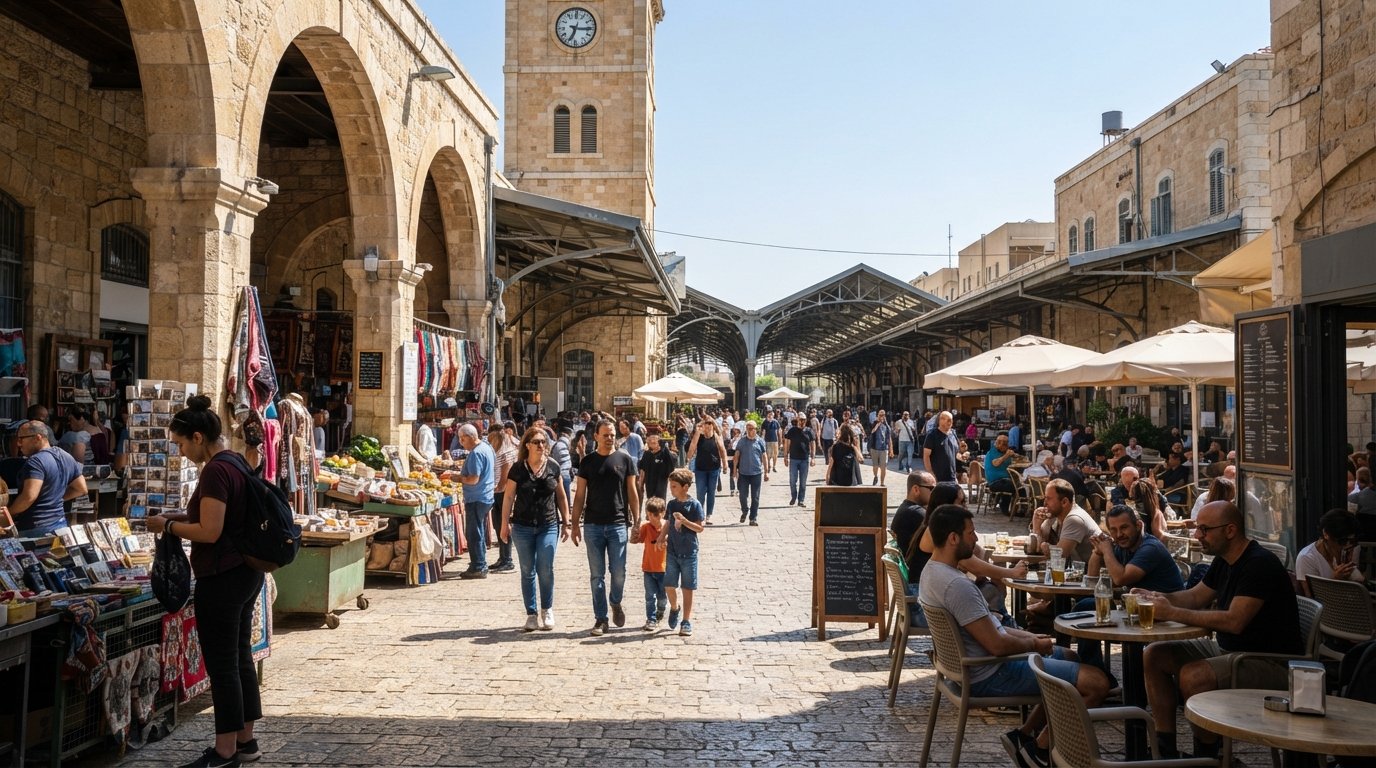
At the north end of the street, the First Station — HaTachana Rishona — transforms Jerusalem’s original 1892 Ottoman railway terminus into a pedestrian culture-and-food complex. Restaurants, craft and jewellery stalls, a Thursday farmers’ market, outdoor films, yoga, Tai Chi, festivals and a children’s area all sit inside the old terminal’s frame. Crucially, it stays open on Saturdays, which makes it one of the city’s practical social centres when much else is closed. From there, the Railway Park promenade runs south along the old line, now a landscaped walking and cycling path with bike rental on site. It is one of those urban conversions that feels both obvious and generous once it exists.
Just to the north-west, Liberty Bell Park offers a different kind of pause: nine acres of green space built for the US bicentennial in 1976, with a replica Liberty Bell, a 1,000-seat amphitheatre, sports courts, the concrete “Jerry the Dragon” climbing sculpture and the Train Theater, a children’s puppet theatre inside an old railway carriage. For families, it is a release valve; for everyone else, it is a reminder that Jerusalem can make room for play.
Don’t miss in German Colony
Emek Refaim boutique shopping
Hansen House cultural center
The First Station
Shopping & markets
Shopping in the German Colony is less about consumption than browsing. Emek Refaim is not a mall street; it is a street where you drift in and out of independents, and that distinction matters. The mix is practical and local: bookshops with English-language stock, homeware and ceramics, jewellery stores, an optician, a flower shop, a butcher, hairdressers and several small makolet corner supermarkets. There is also Super Moshava, the well-known local grocery stocked with American and imported products, which tells you something about the neighbourhood’s Anglo base before anyone says a word.
Bakeries are part of the retail rhythm here too. The German Colony branch of Marzipan on Rachel Imenu pulls a steady queue for rugelach, challah and bourekas, and the café stops along Emek Refaim work as pastry stops by another name. If you want a browse-and-buy afternoon, let the street guide you: bookshop, ceramics shop, coffee, then another shop, then perhaps a bakery box to carry home.
The First Station adds a more market-like layer. Craft and jewellery vendors set up stalls Sunday through Friday, and a farmers’ market runs on Thursdays. It is low-key retail rather than spectacle, which suits the neighbourhood’s residential feeling. You come away with useful things, not souvenirs shouting for attention.
Where to stay in the German Colony
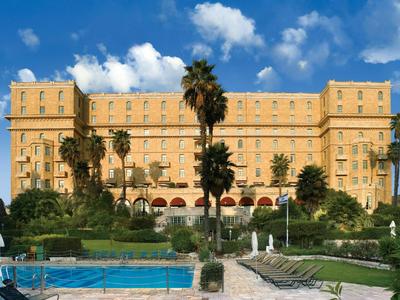
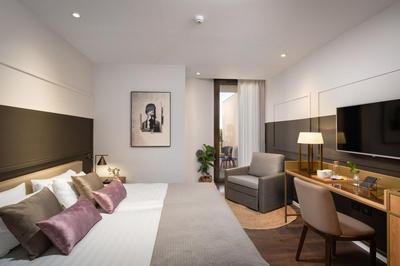
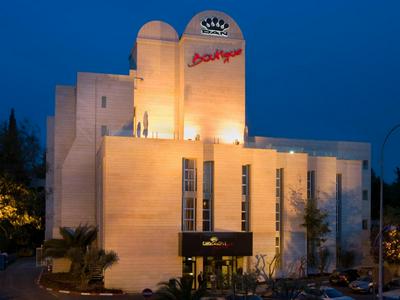
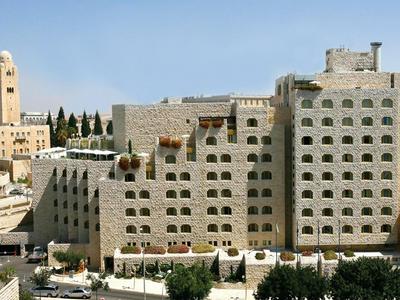
The German Colony is one of Jerusalem’s calmest and most walkable bases, and that makes it especially good for families, returning visitors and anyone who prefers a neighbourhood rhythm to a sightseeing sprint. Accommodation here tends toward boutique hotels, guesthouses and B&Bs on and around Emek Refaim and the quieter parallel streets, plus short-let apartments tucked into the Templer lanes. It is not the cheapest place to sleep near the Old City, and it is not pretending to be. What you pay for is the greenery, the low-rise scale and the luxury of stepping out into a street where people actually live as well as dine.
The trade-off is geography. You are not walking to the Old City after breakfast; you are taking a short taxi or bus ride. But you are also a short walk from the city’s best café strip, from parks, from the railway promenade and from a neighbourhood that still feels residential after the lunch crowd has gone. For a longer stay, that balance is hard to beat.
Shabbat is the other thing to plan around. Most restaurants and many shops close from Friday afternoon until Saturday night, so a Saturday here can be very quiet. The First Station is the exception, and on a Saturday it becomes the neighbourhood’s open door.
Hotels in German Colony
Our best-rated stays in this neighbourhood. Prices are approximate “from” rates — confirmed at the provider when you continue. We may earn a commission if you book through our partners — at no extra cost to you.
In this area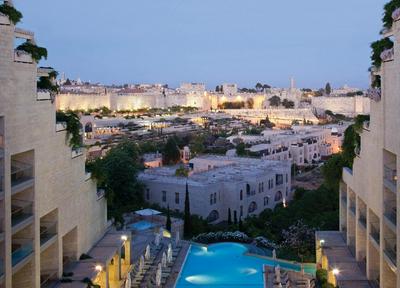 In this area
 In this area
 In this area
 In this area
 In this area
 In this area
 In this area
 In this area
 In this area
German Colony
Villa Brown Moshava - a member of Brown Hotels
8.9· 1,345 reviews
approx. from£196 / nightSee prices
 In this area
 In this area
Getting around
The German Colony is flat, leafy and built for walking. Emek Refaim is an easy stroll end to end, and the First Station, Liberty Bell Park and the Railway Park promenade all connect comfortably on foot. For the city centre, you are looking at roughly a 20-minute walk or a short ride up to the Jaffa Street corridor, where the Red Line light rail and main bus routes run. The Old City is closer by taxi than by foot — about 10 to 15 minutes, depending on traffic — which makes the neighbourhood feel pleasantly near without being swallowed by the tourist crush.
Buses run along Emek Refaim and the surrounding streets, and taxis and ride apps are plentiful. The big change underway is the Blue Line light rail: as of mid-2025, construction has begun along Emek Refaim, with stations planned near Rachel Imenu, at the Oranim junction and by the First Station. Until it opens toward the end of the decade, expect detours, hoardings and dust in places. The street still works, but it no longer floats untouched above the city’s practical realities.
Ben Gurion Airport is about a 45- to 60-minute drive away, or you can take the fast train from the city’s main station near the entrance to town. In other words: the German Colony is easy to reach, easy to live in for a while, and just inconvenient enough to keep its own pace.
Gallery
German Colony in pictures
German Colony — your questions
Is the German Colony a good area to stay in Jerusalem?
Yes — if you want calm, greenery and excellent food more than a doorstep walk to the Old City. It is one of Jerusalem’s most pleasant café-and-restaurant neighbourhoods, safe, family-friendly and English-friendly, though the Old City is a short ride rather than a stroll.
Is everything really closed on Shabbat in the German Colony?
Mostly, yes. The great majority of restaurants and shops on Emek Refaim are kosher and close from Friday afternoon until Saturday night. The main exceptions are the First Station, which stays open on Saturdays, plus Adom there, and Lev Smadar with its café-bar.
What should I eat in the German Colony?
Start with the dairy classics: Caffit for taboon pizzas and the Sweet Potato Oreganato, or Pompidou for a more polished meal. For meat, Bruno’s sandwiches and Joy are the names to know, and Marzipan’s chocolate rugelach is the sweet to leave with.
Can you get around the German Colony without a car?
Very easily. The neighbourhood is flat and walkable, with buses, taxis and ride apps readily available. Emek Refaim, the First Station, Liberty Bell Park and the Railway Park promenade all connect on foot.