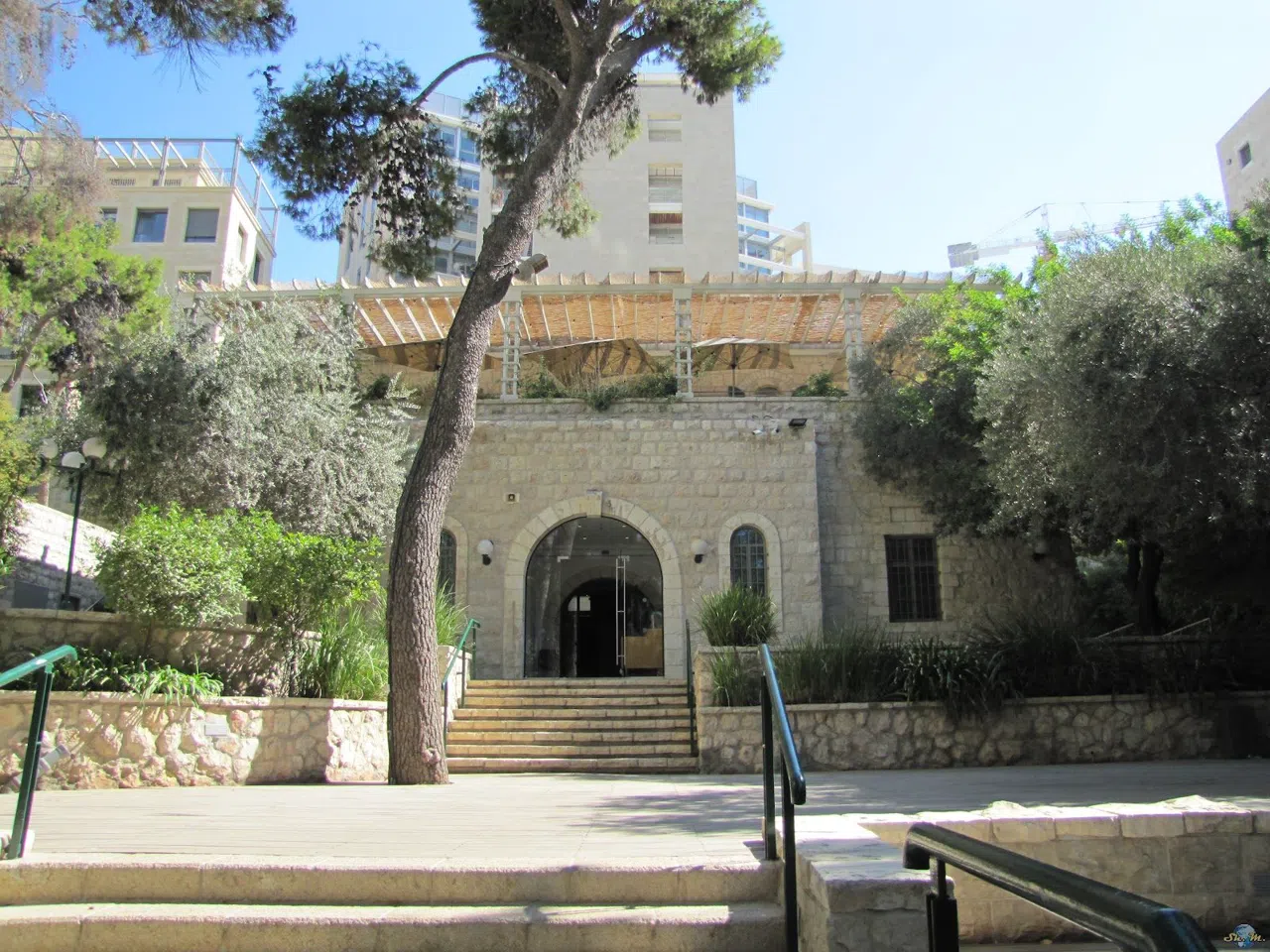
In the winter of 1926, a Jerusalem ophthalmologist's front room did double duty as the city's most interesting salon: painters and poets argued over Anna Ticho's tea while British officials swapped gossip with rabbis and doctors, and a walled garden of pines, roses and stray cats gave everyone room to cool off between rounds. That garden is still there, still walled, still full of cats, and for anyone curious about the Jerusalem that existed before 1948 — Arab, Jewish, British, all crowded into the same small rooms — it is the single best place to start.
The House and Garden at the Center of It All
Ticho House (Beit Ticho), tucked off HaRav Kook Street in the city center a few minutes' walk from Zion Square, was the home Anna Ticho and her husband Dr. Avraham Ticho moved into in 1924. He was Jerusalem's leading ophthalmologist, treating trachoma patients from every community in the city for free; she was a painter whose ink-and-pencil studies of the Judean hills are now part of the Israeli canon. Between clinic hours the house filled with the people who mattered to Mandate-era Jerusalem's cultural life — Bezalel-trained painters, Hebrew poets, visiting British administrators, the odd archaeologist — and the garden outside did the work a living room couldn't: it let a mixed, informal crowd sit outdoors without anyone standing on ceremony.
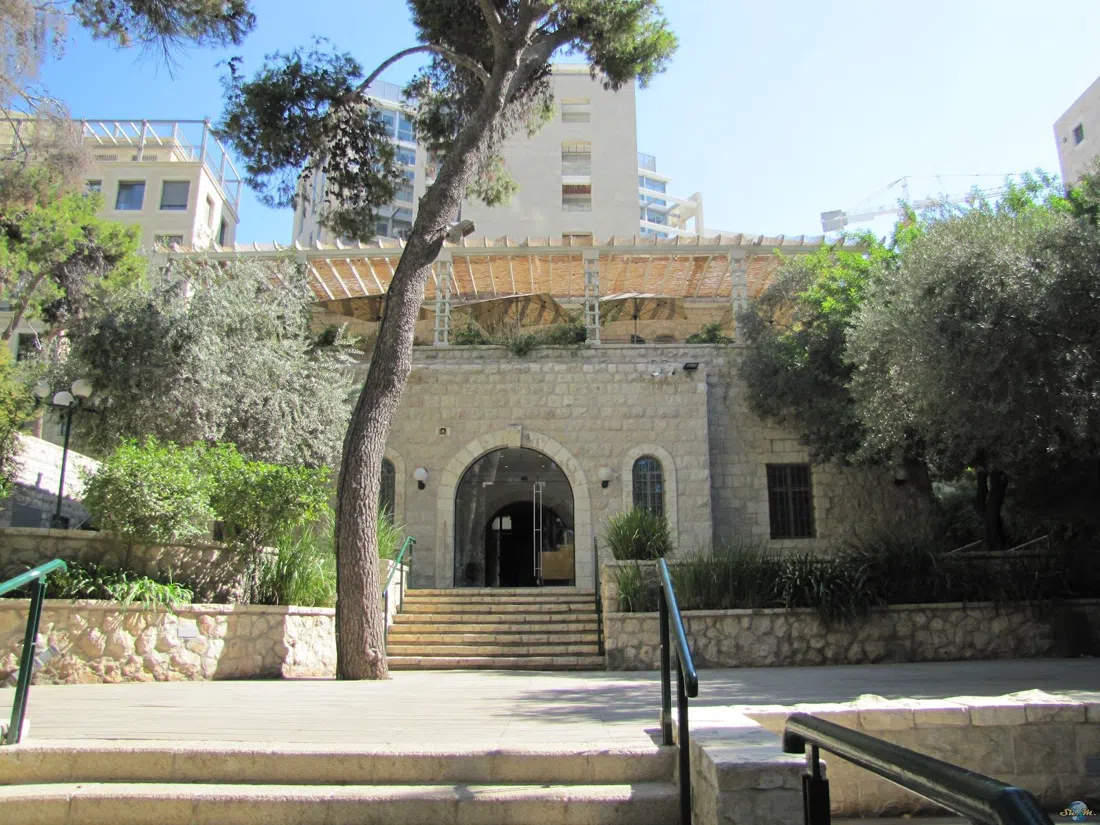
The house reopened in 2025 after a stretch of conservation work and now operates as an Israel Museum branch, which means the admission model is the Israel Museum's: a combined ticket running roughly ₪20–54 gets you into the house and its changing exhibitions of Anna Ticho's work. The garden café is separate and genuinely good — mains run ₪45–90, the shade is real, and it's one of the few places downtown where you can eat outdoors without traffic noise. Groups and school parties can book tours in advance; if you're traveling with six or more people, call ahead rather than turning up, since the historic rooms are small and the museum manages flow carefully. For couples or solo travelers, no booking is needed — arrive, buy the ticket, and give the garden at least an hour, ideally over a late breakfast or an unhurried afternoon coffee when the light through the pines is best.
The Bezalel Building, Where the Painters Trained — and Still Gather
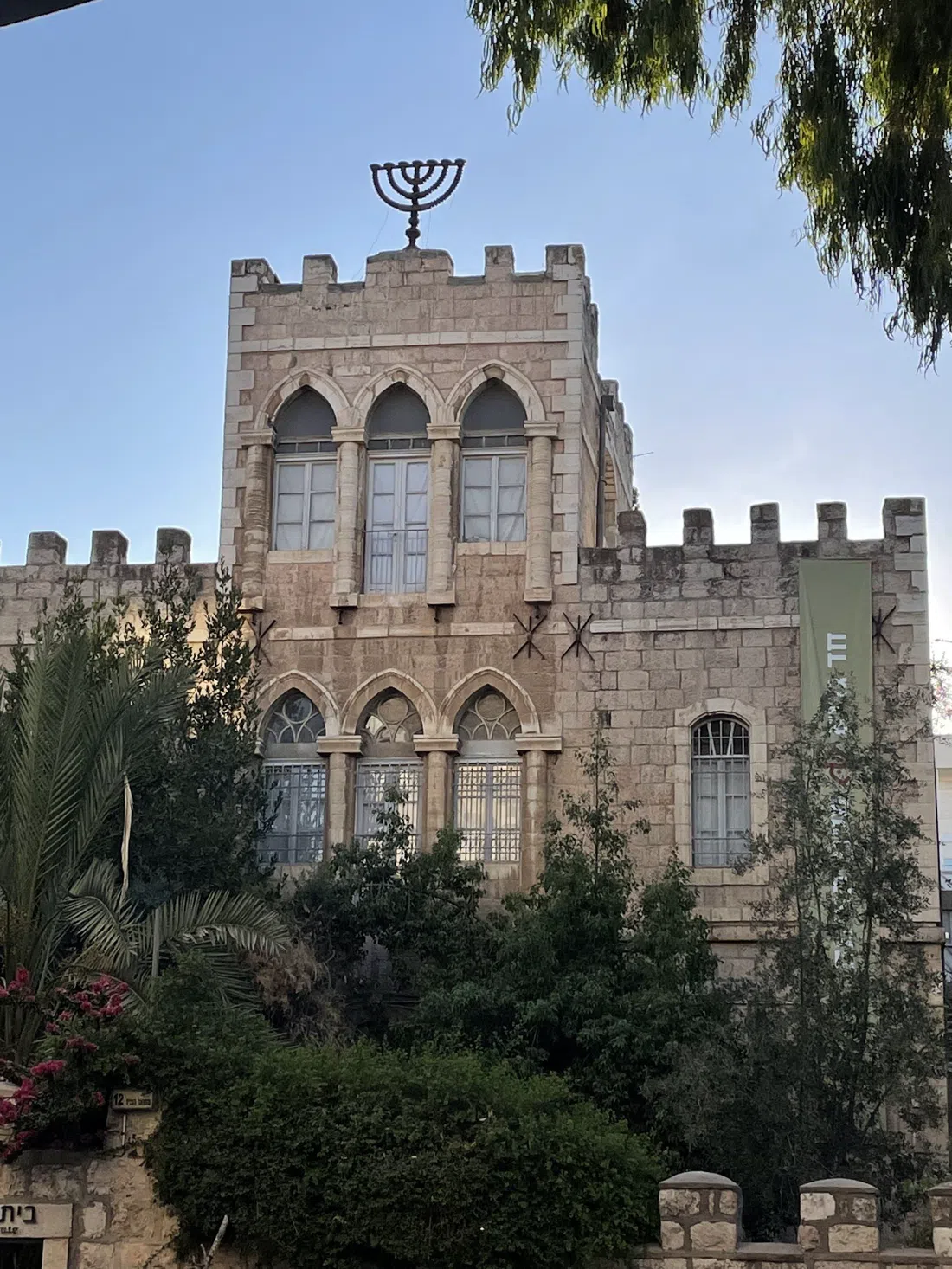
The salon at Ticho House didn't invent Jerusalem's art scene; it socialized a scene that was already being trained a short walk away. Jerusalem Artists House (Beit Ha'omanim), on Shmuel HaNagid Street downtown, occupies the original Bezalel School building founded by Boris Schatz in 1906 — the academy that produced the painters who later filled Anna Ticho's courtyard. It still functions as a working artists' association gallery, with rotating exhibitions of contemporary Israeli art in the same stone halls. It's free (donations welcome), open Monday to Thursday 10:00–18:00 and Saturday 11:00–14:00, and closed Friday and Sunday — plan around that if a Friday city walk is otherwise the natural day for it. Group visits are welcome and don't need advance notice for a normal-sized tour group, though a docent talk should be arranged ahead.
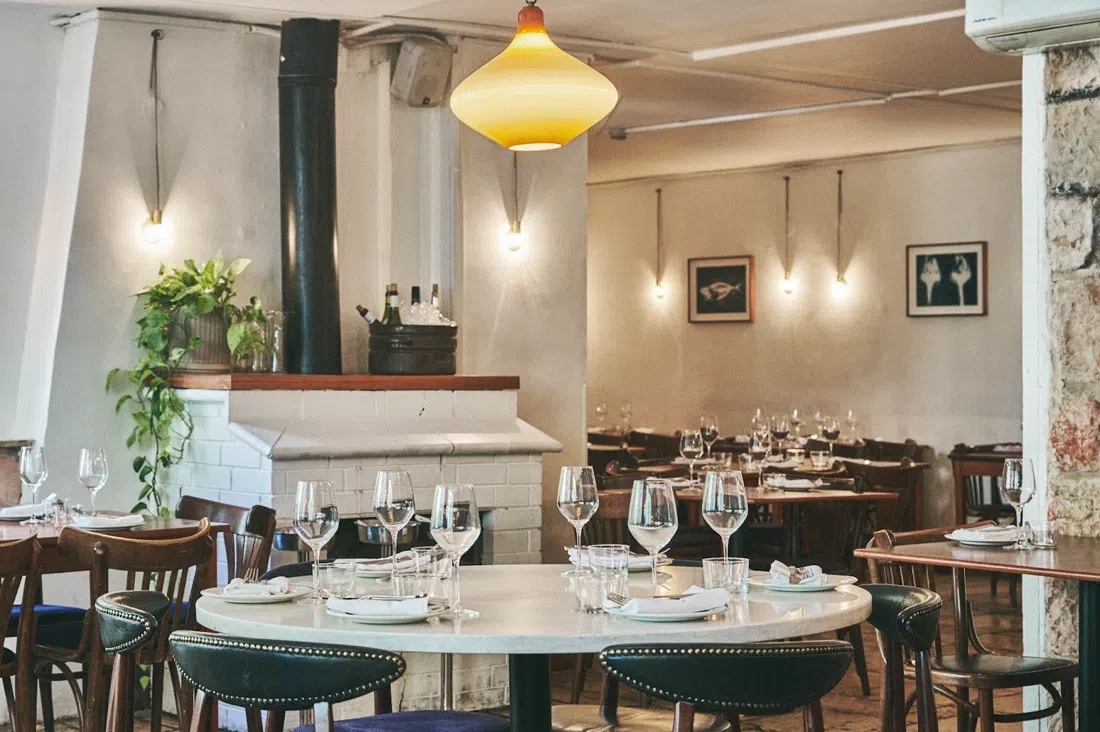
Sharing the same historic building, also downtown, is Mona, the wine bar and restaurant that is, without qualification, one of Jerusalem's best kitchens rather than a novelty address riding on the architecture. It takes reservations through Ontopo and is comfortable with both a table for two and a private dining booking for a group; expect ₪120–220 for a main and a wine list that rewards asking the staff for guidance. This is the single best place in the city to sit with a glass of wine inside the actual walls of the 1920s art scene rather than just reading about it — book a dinner table here after an afternoon at Ticho House and Beit Ha'omanim, and the whole story clicks into place.
Where the Journalists and Officials Talked
Ticho House was the artists' salon; Mandate Jerusalem's press-and-diplomatic set had its own equivalent a short taxi ride away. The American Colony Hotel — Cellar Bar, in the American Colony neighbourhood north of Damascus Gate, has functioned since the Mandate years as the place where foreign correspondents, diplomats and intelligence officers of every stripe traded information over drinks — a role it still performs today with a striking lack of self-consciousness about it. There's no strict door policy and groups are accommodated easily in the courtyard and bar area, but reservations are advised for dinner, especially on weekends. Cocktails run roughly ₪60–80. Go for the atmosphere as much as the drink: low stone ceilings, decades of framed photographs, and a clientele that still skews toward people covering the region rather than just visiting it.
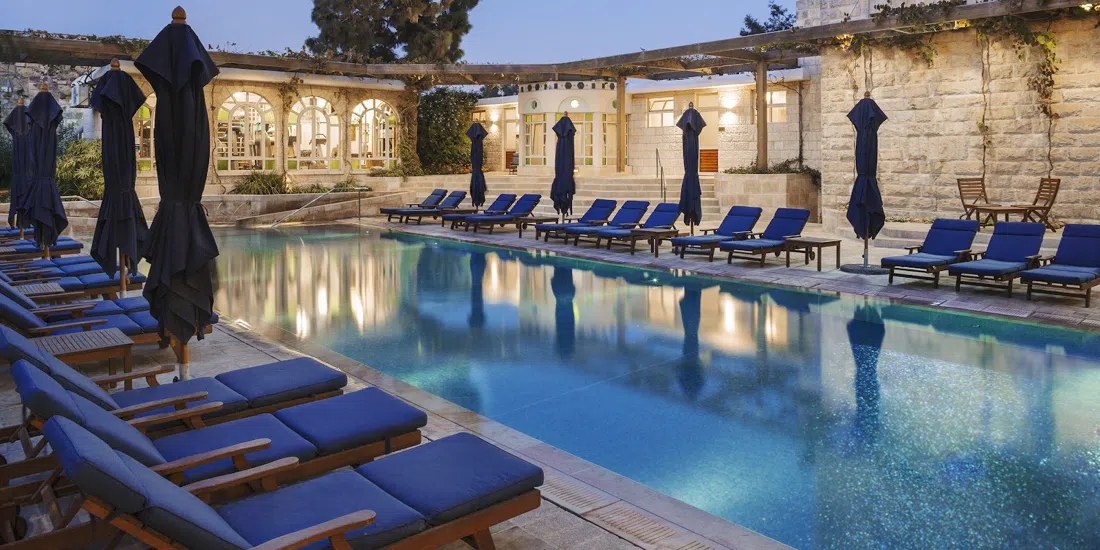
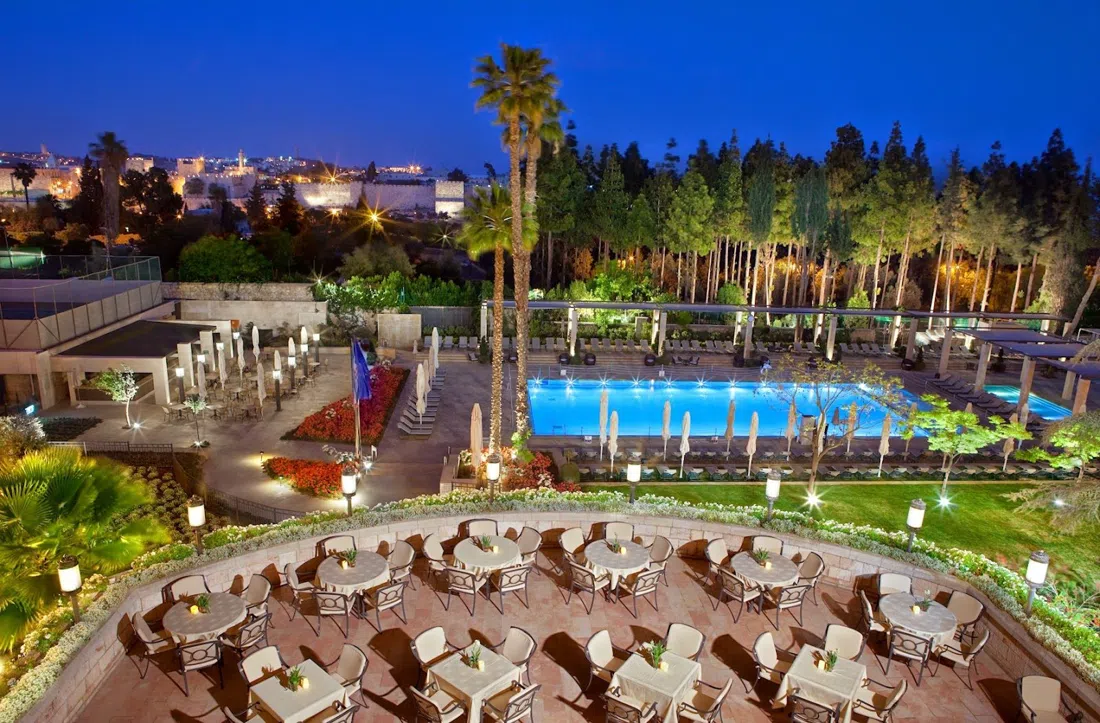
The grander, more official counterpart is the King David Hotel, on King David Street a short walk from the Old City walls. It opened in 1931, at the tail end of the decade this piece is about, and immediately became the address for the Mandate's official elite — the polished, hierarchical mirror to Ticho House's informal salon and the Cellar Bar's off-record gossip. Non-guests are welcome in the lounge and for afternoon tea; lounge drinks run from about ₪70, and rooms start around ₪2,000 a night if you want to stay inside the story rather than just visit it. It comfortably hosts groups for events, but a couple wanting a quiet drink should aim for late afternoon before the lobby fills. If you're weighing where to base yourself for a Mandate-history-themed stay, start your Jerusalem hotel search here and work outward.
A Shared Stage Across the Street
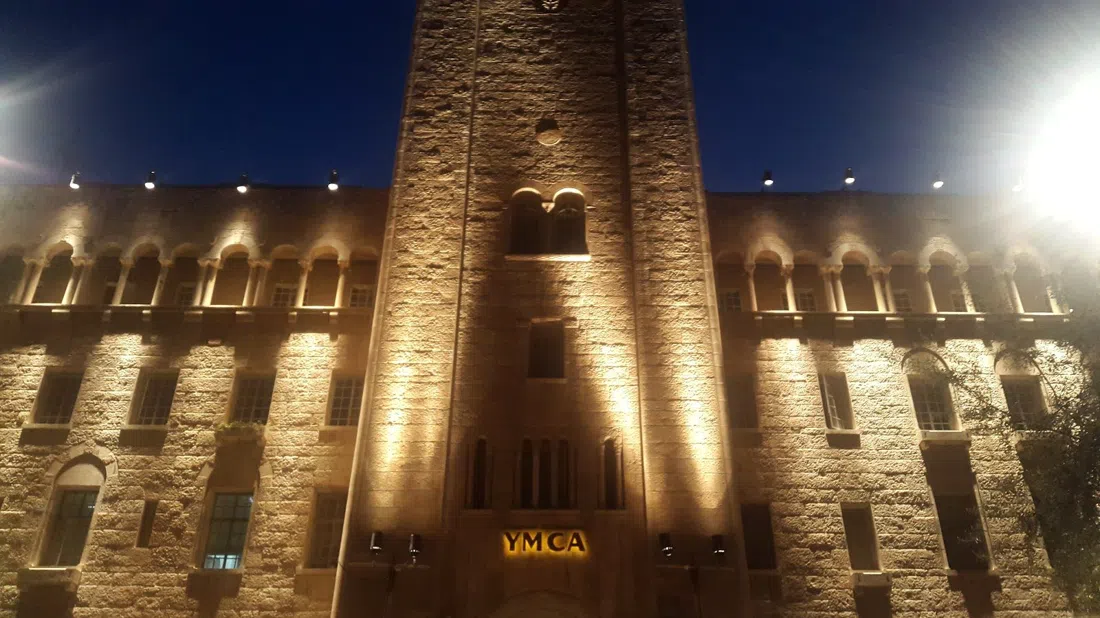
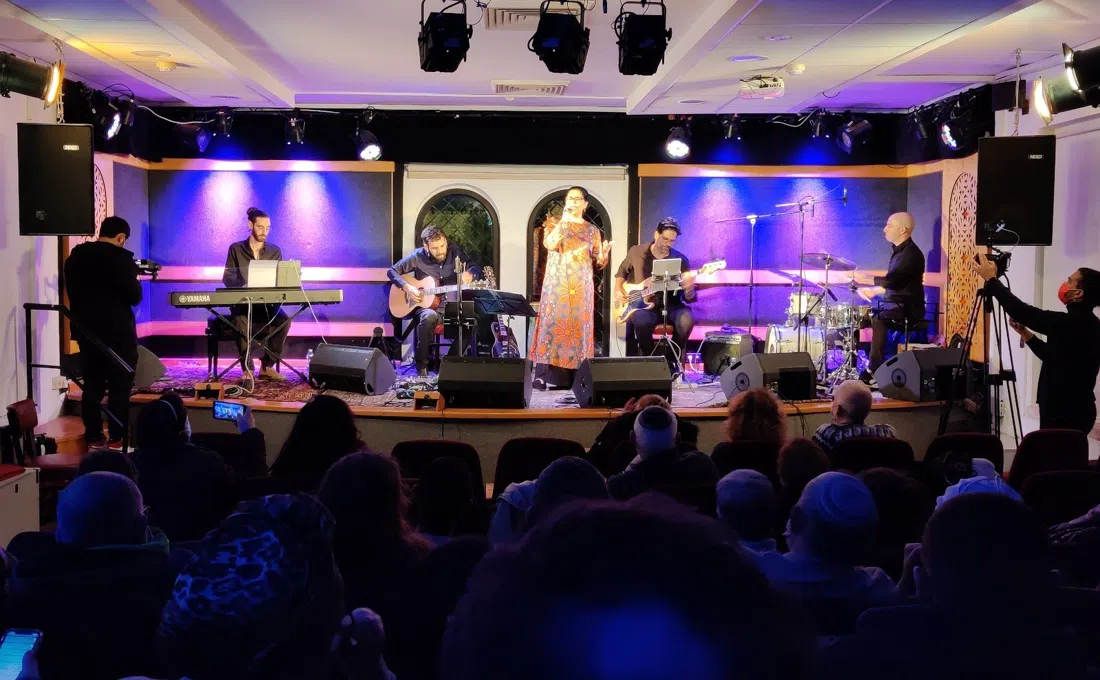
Almost directly across King David Street stands the YMCA Jerusalem (Three Arches), completed in 1933 as a deliberate experiment in shared space — Arab, Jewish and British Jerusalem were meant to meet here on purpose, in a building whose bell tower is still one of the clearest landmarks in the city's skyline. The tower is open to visitors for around ₪25 per person, but tours require a minimum of two people booked in advance, so this isn't a spontaneous solo stop — pair it with a friend or fold it into a small group day. The auditorium still hosts concerts, many suited to group bookings, with ticket prices varying by event. Climb the tower for the view alone: it puts the King David Hotel, the Old City walls and the wider city into one frame, which is a useful way to physically understand how close together the Mandate's official, social and religious geographies actually were.
The Salon's Living Descendants
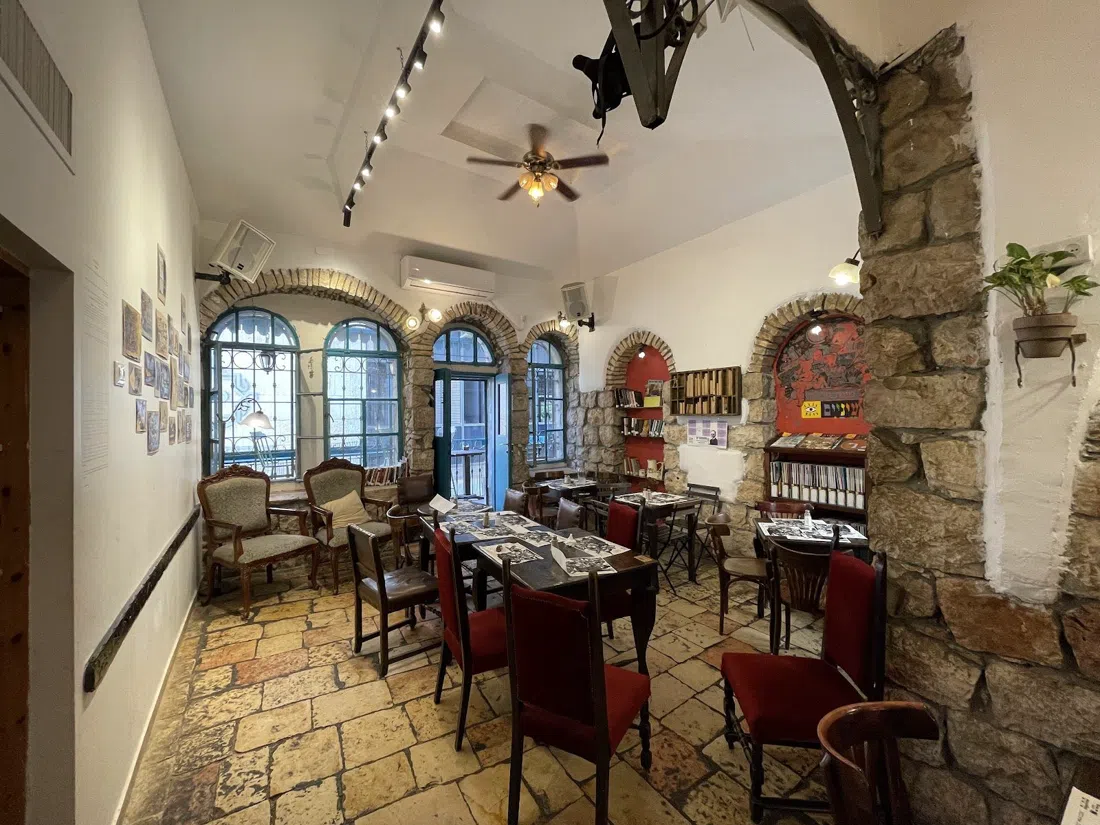
The instinct behind Ticho House's garden — pull a mixed, talkative crowd into one informal room — didn't die with the Mandate. Tmol Shilshom, a literary café tucked into a courtyard in Nahalat Shiva downtown, has run readings and hosted writers since 1994, and it's the closest thing the modern city has to that original spirit: unglamorous rooms, honest food (mains ₪45–75), and a program of events rather than a scene staged for visitors. It takes groups and private literary bookings but is closed Saturdays, so build that into a Friday or Sunday itinerary.
Confederation House (Beit Ha'Confederatzia), near the Old City walls not far from Hutzot Hayotzer, is a more formal descendant — a dedicated venue for poetry readings and Middle Eastern music programming, with tickets running roughly ₪60–120 and group bookings taken for concerts. And Mishkenot Sha'ananim, in Yemin Moshe just below the King David Hotel, is the institutional heir in the fullest sense: built by the Jerusalem Foundation as a residency for visiting writers and artists, it now runs conference and gallery spaces (the gallery is free to visit) alongside a guesthouse in the ₪₪₪₪ range for anyone who wants to sleep, quite literally, in the job Ticho House used to do informally — housing the visiting minds of the moment.
The Paper Trail
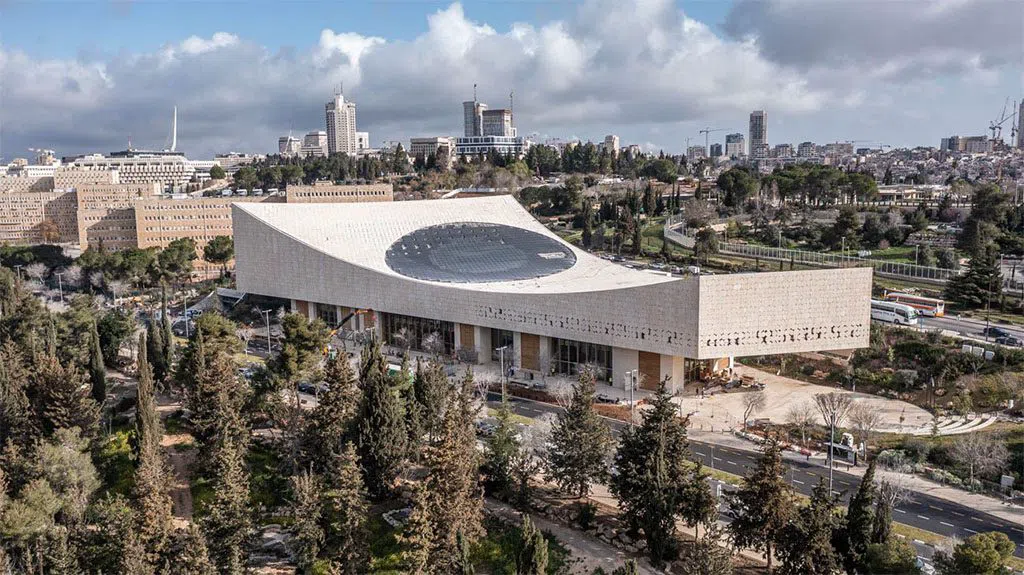
For readers who want the actual documents rather than just the buildings, two stops are worth the detour. The National Library of Israel, on the Givat Ram campus, holds the real archive of this circle — correspondence and manuscripts connected to Hayim Nahman Bialik, S.Y. Agnon and the publisher Salman Schocken, all of whom moved through the same Jerusalem the Tichos did. English-language guided tours run seasonally and need to be booked ahead; they're free, and the tour itself (roughly ₪25–40 where a paid option applies) is worth it even setting the archive aside, since the building is one of the more striking pieces of contemporary architecture in the city.
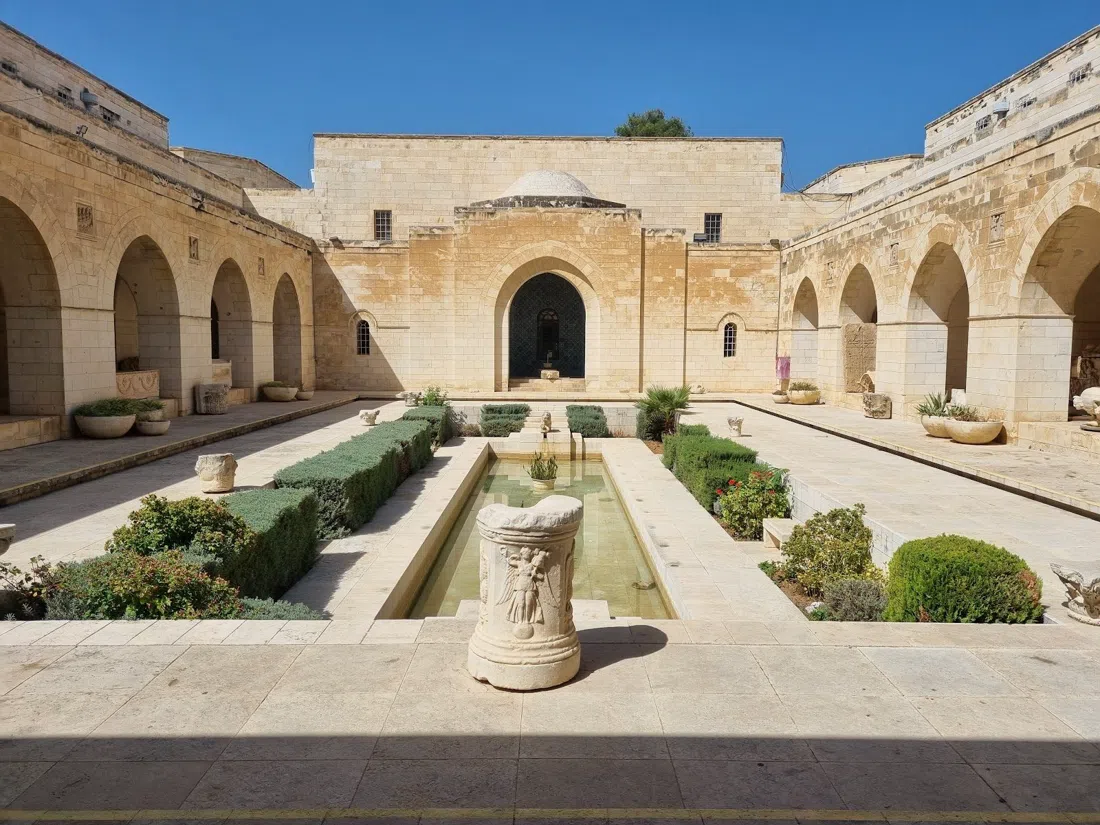
The Rockefeller Archaeological Museum, on the eastern side of the Old City near Herod's Gate, was built at the very end of the Mandate period for the same scholarly circle that filled Ticho House's courtyard a decade or two earlier — archaeologists, curators and colonial administrators who took antiquities as seriously as the painters took landscape. Entry is free and groups are welcome, but hours are limited to 10:00–15:00, so put this early on the day's list rather than as an afternoon add-on.
Setting the Scene and Walking Their Streets
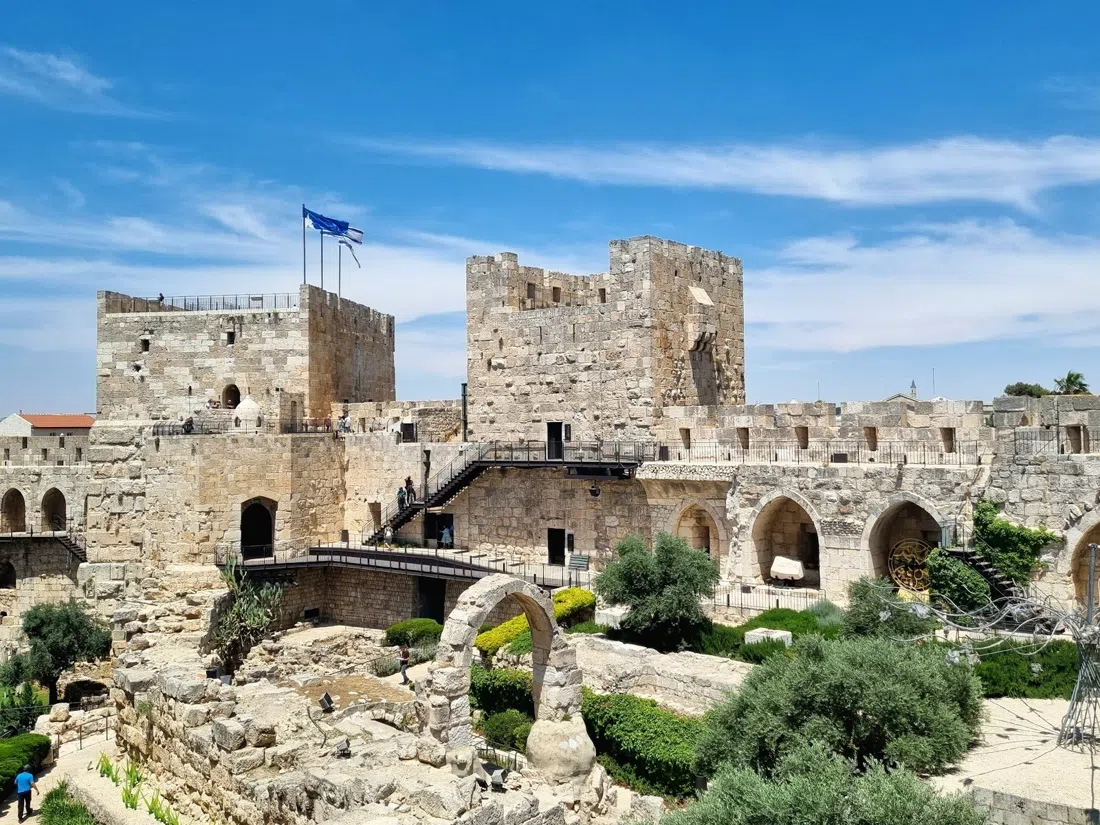
If you want the historical backdrop before diving into the era's actual haunts, start at the Tower of David Museum inside the Old City near Jaffa Gate. Recently renovated, it uses the citadel itself to explain the layers of Jerusalem's history, including the Mandate period, through timed-ticket group tours (around ₪54 for an adult). It's a scene-setter, not a substitute — go early in a Ticho House day, not instead of one.
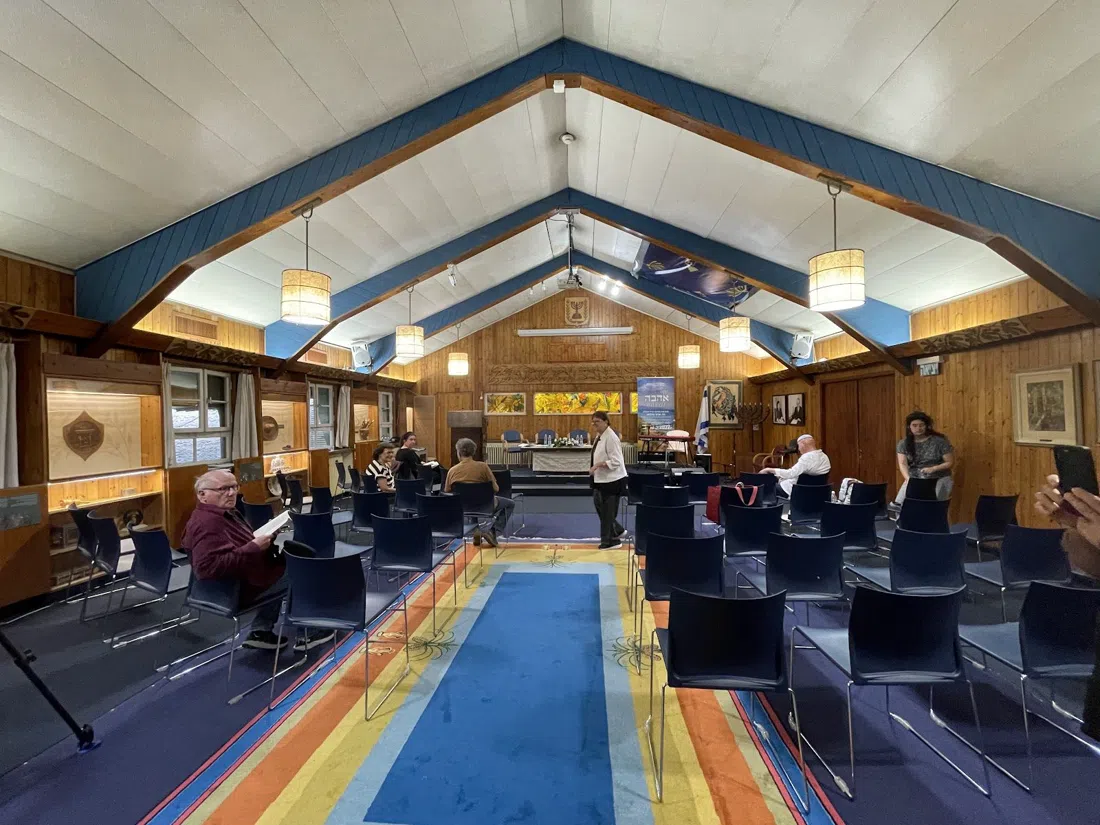
Then walk the actual streets. The Yad Izhak Ben-Zvi Institute, in Rehavia, runs themed group tours tracing the footsteps of the writers, artists and poets who lived in that district in exactly this period — the natural, and probably best, pairing with a Ticho House visit, since it puts you on the residential streets rather than just in the salon. Tour pricing varies by theme; the library itself is free to browse. Book ahead, especially for group sizes.
Planning the Trip
Getting around: Everything in this piece sits within Jerusalem's compact city center, the Rehavia/Yemin Moshe strip and a short hop to the American Colony — walkable in comfortable shoes, or a short taxi/rideshare ride if the August or midday heat is a concern. The light rail serves the Old City and Damascus Gate area if you're coming from further out.
Cash and cards: Cards are accepted almost everywhere on this list, including museum tickets and restaurant bills; carry some shekels for smaller cafés and for the YMCA tower and Rockefeller Museum donation boxes.
Timing: Note the closures before you plan a day — Jerusalem Artists House is shut Friday and Sunday, Tmol Shilshom is shut Saturday, and the Rockefeller Museum closes at 15:00. A sensible route is Rockefeller and Tower of David in the morning, Ticho House and Beit Ha'omanim over lunch, Yad Ben-Zvi's Rehavia walk in the afternoon, and the American Colony's Cellar Bar or Mona in the evening. Dress modestly if any part of your day extends into the Old City or the religious sites nearby — this itinerary is largely secular ground, but the city around it isn't.
Budget: A day covering the free and low-cost stops (Rockefeller, Beit Ha'omanim, the National Library tour) plus one paid museum (Ticho House) and a sit-down lunch runs comfortably under ₪150 per person; add an evening at Mona or the King David lounge and budget closer to ₪300–400. For where to stay while you do it, the Jerusalem guide has the wider city picture, from Old City guesthouses to the Rehavia and Yemin Moshe options nearest this itinerary.